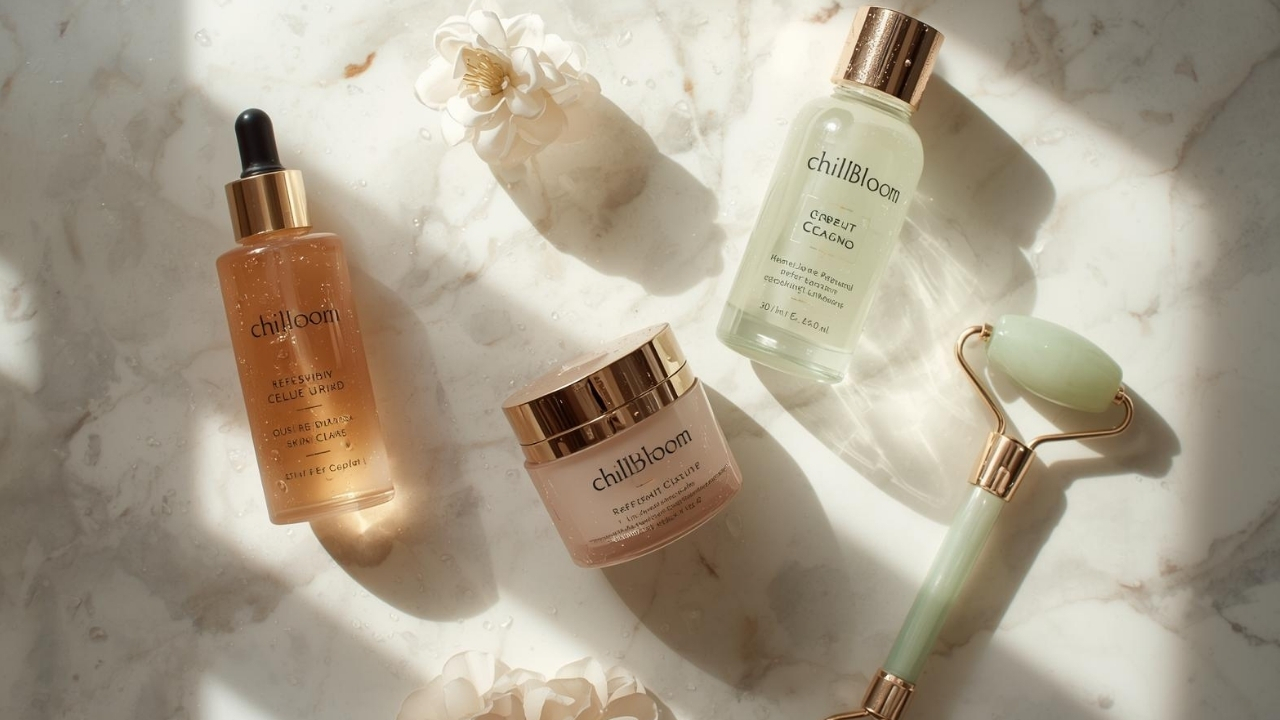
Seasonal Skincare: What Changes You Need to Make

Your skin is always talking to you—it tightens when the air gets dry, becomes shinier when the temperature rises, and reacts to even the smallest shifts in weather. Just like our clothing changes with the seasons, our skincare routines should adjust too. The products and habits that work beautifully in the summer may not be enough in the winter, and what nourishes your skin during chilly months might feel too heavy when humidity returns.

Seasonal skincare is all about responding to your skin’s changing environment. When you shift your routine with the weather, you protect your skin barrier, prevent seasonal irritation, and support a healthy, radiant complexion year-round. This guide breaks down how each season affects your skin and what simple changes you can make to stay glowing no matter what the weather brings.

  1. Why Your Skin Changes With the Seasons

To understand seasonal skincare, you have to know how the environment impacts your skin. Here are some of the biggest seasonal influences:

  • Humidity: Low humidity leads to dryness; high humidity increases oil production.
  • Temperature: Heat can increase sweating; cold can weaken your skin barrier.
  • UV exposure: Sunlight varies by season but can impact your skin year-round.
  • Wind: Strong winds can irritate and dehydrate skin.
  • Indoor heating & air conditioning: Both can dry out the air and your skin.

When you adjust your routine according to these environmental changes, your skin stays balanced and more resilient.

  1. Winter Skincare: Focus on Hydration and Barrier Support

Winter is often the harshest season for your skin. Cold temperatures, dry air, and indoor heating can leave your complexion feeling tight, flaky, or irritated.

Common Winter Skin Issues

  • Dryness or dehydration
  • Redness or sensitivity
  • Flaky patches
  • Chapped lips
  • Compromised moisture barrier

Winter Skincare Tips

Switch to a gentle cleanser

Foaming cleansers may feel too drying. Cream or gel-based cleansers help maintain moisture.

Use a richer moisturizer

Winter calls for thicker creams that strengthen the skin barrier. Look for ingredients like:

  • Ceramides
  • Shea butter
  • Hyaluronic acid
  • Squalane

Add hydrating layers

Serums are your best friends during winter—layer them underneath your moisturizer.
Good options include:

  • Hyaluronic acid
  • Panthenol
  • Glycerin
  • Centella asiatica

Use a humidifier

Indoor heating reduces humidity dramatically. A humidifier brings moisture back into the air—and your skin.

Don’t skip sunscreen

Even when it’s cloudy or cold, UV rays can damage skin.

Treat your lips gently

Use nourishing balms with beeswax, shea butter, or lanolin to prevent cracking.

In winter, the main focus is protecting your barrier and keeping your skin comfortably hydrated.

  1. Spring Skincare: Refresh and Reset Your Routine

Spring feels like a reset for your skin. As temperatures warm and humidity increases, your skin begins to adjust from winter dryness to a more balanced state.

Common Spring Skin Issues

  • Increased oiliness
  • Breakouts from clogged pores
  • Mild irritation
  • Allergic reactions from pollen

Spring Skincare Tips

Swap heavy creams for lighter textures

Gel moisturizers or lightweight lotions help balance hydration without feeling greasy.

Exfoliate gently to remove winter buildup

Use exfoliation to brighten dull skin—but don’t overdo it.
Good choices include:

  • Lactic acid
  • Mandelic acid
  • Enzyme exfoliants

Watch out for seasonal allergies

Allergies can cause redness, puffiness, and dermatitis. Adding soothing ingredients can help:

  • Aloe
  • Chamomile
  • Green tea

Deep clean the pores

A mild clay mask once a week can help control oil and prevent spring breakouts.

Renew your SPF habit

Even if you were less consistent in the winter, spring is the time to recommit to daily sunscreen.

Spring is about balance—neither too heavy nor too light—while helping your skin transition smoothly.

  1. Summer Skincare: Keep It Light, Clean, and Protective

Summer brings heat, sweat, sunshine, and increased oil production. Your skin needs a routine that stays breathable while protecting it from environmental stress.

Common Summer Skin Issues

  • Excess oil
  • Acne or congestion
  • Sunburn
  • Melasma or pigmentation
  • Dehydration from outdoor heat

Summer Skincare Tips

Use a lightweight cleanser

A gel or foam cleanser removes sweat and oil without leaving residue.

Choose a breathable moisturizer

Opt for:

  • Water-based gels
  • Oil-free formulas
  • Moisturizers with niacinamide

Double down on sunscreen

Sunscreen is the star of summer skincare.

Choose:

  • SPF 30 or higher
  • Broad-spectrum
  • Lightweight or gel formulas

Reapply every two hours when outdoors.

Use antioxidants

Vitamin C, niacinamide, and green tea protect against sun damage and environmental stress.

Avoid heavy makeup when possible

Let your skin breathe. Choose tinted sunscreen or lightweight skin tints if needed.

Hydrate consistently

Sweat increases dehydration, so drink water and use hydrating products to maintain balance.

Summer is all about protection, oil control, and keeping your skin fresh.

  1. Autumn Skincare: Repair and Transition Into Cooler Weather

Autumn prepares your skin for winter. The air starts to cool down, humidity decreases, and your skin might begin to lose moisture again.

Common Autumn Skin Issues

  • Dry patches
  • Dullness
  • Sensitivity
  • Uneven tone (especially after summer sun exposure)

Autumn Skincare Tips

Reintroduce richer hydration

Start switching from gels to creams to prevent seasonal dryness.

Repair sun damage

After a summer of UV exposure, fall is the perfect time to use:

  • Vitamin C
  • Peptides
  • Gentle retinoids

Strengthen your skin barrier

Look for ceramides, cholesterol, and fatty acids in your products.

Use mild exfoliation

Help renew your complexion and clear out congestion from summer buildup.

Continue sunscreen

UV levels don’t disappear just because the temperature drops.

Autumn is all about restoring balance and gently preparing for winter’s demands.

  1. Skin Concerns and Conditions to Watch Each Season

Each season can trigger specific concerns. Here’s how to handle them:

Dryness: Winter & Autumn

Use thicker moisturizers and hydrating serums.

Oiliness: Spring & Summer

Introduce lightweight products and regular cleansing.

Sensitivity: Spring

Use calming ingredients and reduce actives.

Hyperpigmentation: Summer & Early Fall

Increase sun protection and use brightening products.

Breakouts: Summer & Spring

Use gentle exfoliants and avoid pore-clogging formulas.

Understanding when your skin is most vulnerable helps you adjust proactively.

  1. Building a Seasonal Skincare Capsule

A minimalist seasonal capsule might include:

  • One gentle cleanser
  • One lightweight moisturizer
  • One richer moisturizer
  • Sunscreen (SPF 30+)
  • Hydrating serum
  • Antioxidant serum
  • Clay mask or exfoliant
  • Lip balm

These staples can be swapped in or out depending on the season.

  1. The Beauty of Seasonal Skincare

Seasonal skincare isn’t about buying more products—it’s about using what you have in smarter, more intentional ways. When you align your skincare with seasonal changes, your routines become more intuitive and effective. Your skin stays balanced, protected, and comfortable all year long.

Think of seasonal skincare as a form of self-awareness. You learn to listen to your skin, respond to its needs, and treat it with consistent, thoughtful care. The results are not just healthier skin—they’re a more grounded, mindful approach to beauty.


How to Build a Minimalist Skincare Routine

In a world overflowing with products, trends, and ten-step regimens, the idea of a minimalist skincare routine feels wonderfully refreshing. Instead of cluttered counters and confusing instructions, minimalism invites simplicity, clarity, and intention. A minimalist routine focuses on what your skin actually needs—not what marketing claims you should pile on.

Whether you’re new to skincare or ready to simplify an overwhelming routine, a minimalist approach can save you time, money, and stress—while giving your skin the consistent, gentle care it deserves. This guide will help you understand how to create a streamlined routine that works for your unique needs and lifestyle.

  1. Why Minimalist Skincare Works

Minimalist skincare respects your skin’s natural rhythm. Our skin is smart—it regenerates, protects, and corrects itself when given the right environment. Overuse of products can actually irritate the skin, disrupt the barrier, or cause sensitivity.

A minimalist routine is beneficial because:

  • It reduces irritation by using fewer active ingredients.
  • It saves time, making it easier to stick to consistently.
  • It prevents product overload, which often leads to breakouts or dryness.
  • It’s budget-friendly, as you invest only in essentials.
  • It helps you understand your skin, making it easy to notice what truly works.

Minimalism isn’t about neglecting your skin—it’s about choosing carefully and using purposefully.

  1. Start by Understanding Your Skin Type

A minimalist routine works best when it’s tailored to your skin’s needs. Before choosing products, identify your skin type:

Normal Skin

Feels balanced overall—not too oily or dry.

Dry Skin

Feels tight, flaky, or rough, especially in colder weather.

Oily Skin

Shiny throughout the day, especially in the T-zone.

Combination Skin

Oily in some areas, dry in others.

Sensitive Skin

Easily irritated, prone to redness or reactions.

Once you know your skin type, you can choose essential products that help maintain balance rather than disrupt it.

  1. The Three Core Steps of a Minimalist Routine

A true minimalist skincare routine can be built around just three essential steps—morning and night.

  1. Cleanse
  2. Moisturize
  3. Protect (AM) / Restore (PM)

Let’s explore each one in detail.

  1. Step One: Choose a Gentle, Effective Cleanser

Cleansing removes impurities, sweat, dirt, and excess oil. A minimalist routine calls for a cleanser that cleans without stripping the skin.

What to Look For

  • A pH-balanced formula
  • No strong fragrance if you’re sensitive
  • Hydrating ingredients like glycerin or ceramides
  • Gel cleanser for oily types
  • Cream cleanser for dry types

AM vs. PM Cleansing

  • Morning: A gentle rinse or mild cleanse is enough.
  • Night: Clean thoroughly, especially if you wear sunscreen or makeup.

If you use makeup daily, you can incorporate a double cleansing method at night:

  1. Oil-based cleanser to break down makeup
  2. Gentle water-based cleanser to cleanse skin

This isn’t an extra step you have to do every day—just when necessary.

  1. Step Two: Moisturize to Strengthen the Skin Barrier

Moisturizing is essential for healthy skin, even if your skin is oily. A good moisturizer keeps your barrier strong, preventing dehydration, irritation, and premature aging.

Choose a Moisturizer Based on Your Skin Type:

  • Dry skin: Rich, creamy moisturizers with ceramides, shea butter, or squalane
  • Oily skin: Lightweight gel moisturizers
  • Combination skin: A balanced, non-greasy formula
  • Sensitive skin: Simple formulas with fewer ingredients

The goal is hydration and balance—not heaviness or greasiness. With the right moisturizer, your skin feels comfortable all day.

  1. Step Three (AM): Sunscreen Is Non-Negotiable

In a minimalist routine, sunscreen replaces most serums because it prevents so many skin issues—dark spots, wrinkles, redness, irritation, and loss of elasticity.

Choose a lightweight sunscreen you’ll wear every day. The best sunscreen is the one you actually use.

Tips for Choosing Sunscreen

  • SPF 30 or higher
  • Broad-spectrum (protecting against UVA and UVB)
  • Gel or fluid for oily skin
  • Lotion or cream for dry skin

Apply it as the final step of your morning routine.

  1. Step Three (PM): Restore With a Simple Treatment (Optional)

Your nighttime routine should help your skin repair. You don’t need multiple serums—just one optional treatment depending on your skin concerns.

Choose Just One Night Treatment:

  • For dullness: Vitamin C
  • For fine lines: Retinol or a gentle retinoid
  • For uneven texture: Lactic or mandelic acid
  • For acne: Niacinamide or salicylic acid
  • For hydration: Hyaluronic acid

Minimalist skincare encourages using one active at a time rather than layering multiple, which can overwhelm the skin.

  1. When to Use Extras (Only If Needed)

Minimalist skincare doesn’t forbid extras—it simply encourages intentional use. You can incorporate additional steps only when they serve a purpose.

Optional Add-Ons:

  • Eye cream if you have dryness or dark circles
  • Face oil if you need extra nourishment
  • Clay mask once a week for oil control
  • Hydrating mask for dry skin
  • Spot treatment for occasional breakouts

But these are not daily essentials. Use them sparingly, based on your skin’s condition.

  1. Avoid Overcomplicating Your Routine

The biggest challenge in adopting a minimalist skincare routine is resisting the urge to add more products. Marketing, trends, and social media often create pressure to try everything.

Keep your routine simple by following these ideas:

  • Stick to essentials and introduce new products slowly
  • Give products time to work (4–8 weeks)
  • Listen to your skin—tightness, redness, and breakouts are signals
  • Don’t switch routines frequently
  • Avoid mixing too many active ingredients

Healthy skin thrives on consistency, not constant change.

  1. Focus on Ingredients, Not Trends

Minimalism means choosing products based on what works, not what’s popular. When reading labels:

Good ingredients include:

  • Ceramides
  • Niacinamide
  • Hyaluronic acid
  • Glycerin
  • Squalane
  • Centella asiatica
  • Panthenol

Ingredients to avoid or be cautious with:

  • Excess fragrances
  • Strong essential oils
  • Harsh scrubs
  • Overly strong acids for sensitive skin

Understanding ingredients helps you pick products intentionally instead of impulsively.

  1. Create a Routine You Can Actually Enjoy

Minimalist skincare isn’t just about products—it’s about your relationship with your skin. Your routine should feel calming, grounding, and manageable.

Try approaching skincare as:

  • A moment to breathe
  • A reset between tasks
  • A small act of self-appreciation
  • A ritual that supports confidence and wellness

You don’t need a drawer full of products to feel taken care of.

  1. Embrace the Beauty of Having Less

When you strip back the unnecessary, you give your skin room to flourish naturally. Minimalist skincare reminds us that simple is often more effective. Your routine becomes intuitive, sustainable, and gentle on both your skin and your lifestyle.

With just a few high-quality steps practiced consistently, you can achieve a clear, balanced, glowing complexion—without the stress or clutter of a complicated regimen.


Makeup Tips for a Fresh, Natural Look

Natural makeup has a special kind of magic. It doesn’t try to transform your face—it simply highlights what’s already beautiful. A fresh, natural look makes your skin appear healthy, your features softly defined, and your overall vibe effortless. Whether you prefer minimal routines or you want to refine your everyday style, mastering the natural makeup approach brings out your confidence while keeping things breathable and simple.

If you’ve ever wondered how to create that clean, radiant, “I just woke up glowing” look, this guide walks you step-by-step through the techniques, products, and habits that make natural beauty shine.

  1. Start With Healthy, Prepped Skin

Every great makeup look begins with skincare. When your skin is hydrated and balanced, your makeup blends smoothly, sets naturally, and looks like part of your skin instead of something sitting on top of it.

Here’s a simple pre-makeup routine:

  • Cleanse gently: Remove oil, sweat, and impurities without stripping your natural moisture.
  • Hydrate well: Apply a lightweight moisturizer so your base glides on easily.
  • Use sunscreen: Opt for a lightweight SPF that doesn’t leave a white cast or greasy feel.
  • Let your products absorb: Give your skin a minute or two before applying makeup.

Proper prep makes the natural look effortless—your skin becomes the star.

  1. Prime Only If You Need To

Primer isn’t mandatory in a natural makeup routine, but it can help if you have specific concerns:

  • Use a hydrating primer for dry skin.
  • Try a mattifying primer for oily areas like the T-zone.
  • Go for a blurring primer if you want a smoother, poreless finish.

A small amount goes a long way. The key is choosing a primer that addresses your needs without creating a heavy layer on the skin.

  1. Choose Lightweight Base Products

For a natural look, the goal is fresh, even skin—not full, opaque coverage. Heavy foundation can hide your skin’s real texture, while lightweight formulas enhance it.

Consider using:

  • Tinted moisturizer for sheer, dewy coverage
  • BB or CC cream for soft color correction
  • Skin tint for barely-there evenness
  • Light foundation applied with a damp sponge for a breathable finish

Instead of covering your whole face, focus on applying product only to areas where you need it: around the nose, under the eyes, and on redness or discoloration.

The motto is: your skin, but smoother.

  1. Conceal Strategically Instead of Everywhere

Concealer is powerful, but using too much defeats the natural look. Apply it sparingly exactly where needed:

  • Under the eyes to brighten
  • Around the nose to neutralize redness
  • On blemishes with a thin, precise layer
  • On dark spots for subtle color evening

For under eyes, a peach-toned concealer looks more natural than a light one. For blemishes, dab a tiny bit and let it warm on the skin before blending.

The trick: use your finger or a small brush and blend until it disappears seamlessly into your base product.

  1. Go Light on Powder

Powder is useful for controlling shine, but too much can make your makeup appear heavy or flat. For a natural finish:

  • Dust a small amount of translucent powder only on oily areas.
  • Use a small, fluffy brush for precision.
  • Avoid powdering your whole face unless necessary.

Leaving a touch of natural skin glow makes the final look fresher and more youthful.

  1. Add Soft Color to Your Cheeks

Blush is one of the best ways to make your complexion look alive. For a fresh look, cream blush is ideal—it blends beautifully and mimics natural skin flush.

A few tips:

  • Choose shades like peach, rose, nude pink, or soft coral.
  • Apply high on the cheek for a lifted appearance.
  • Blend upward toward the temples for a natural transition.
  • Tap, don’t rub, for the most seamless effect.

A tiny dab on the bridge of the nose creates a sun-kissed, effortless finish.

  1. Bronzer and Contour: Less Is More

Natural makeup does not mean skipping dimension—it just means applying it softly.

Bronzer:

Choose a shade only one to two tones deeper than your complexion. Lightly sweep it:

  • On the edges of your forehead
  • Under the cheekbones
  • Along the jawline
  • On the sides of the nose (optional)

Use a large, fluffy brush so the color diffuses naturally.

Contour:

If you contour, choose cream formulas and apply very sparingly. The goal is subtle structure, not sharp lines.

  1. Illuminate With Subtle Highlighter

Highlighter makes your skin look dewy and alive, but strong, glittery formulas break the natural effect. Choose a cream or liquid highlighter with a soft sheen.

Apply a tiny amount to:

  • Tops of the cheekbones
  • Brow bones
  • Tip of the nose
  • Cupid’s bow
  • Center of the eyelids (optional)

The key is looking glowing—not shiny or sparkly.

  1. Groom Your Brows Without Overdoing It

Natural brows are full, feathered, and softly defined—not overly sculpted or harsh.

Try this approach:

  • Brush your brows upward with a spoolie.
  • Fill sparse areas using light, hair-like strokes with a brow pencil.
  • Set with clear or tinted brow gel.

Keep your brow shape soft and fluffy for that relaxed, natural vibe.

  1. Keep Eyes Simple but Bright

When aiming for a fresh look, minimal eye makeup is best. Choose colors close to your skin tone or warm neutrals.

Eyeshadow tips for natural beauty:

  • Use taupe, beige, peach, or soft brown to create gentle dimension.
  • Apply one shade across the lid for simplicity.
  • Add a slightly deeper shade in the crease for subtle depth.

Liner tips:

  • Use brown instead of black for a softer effect.
  • Tightline the upper lashes to enhance the eye shape without a visible line.
  • Blend pencil liner with a brush to remove harsh edges.

Mascara tips:

  • Curl your lashes to open your eyes instantly.
  • Use one or two coats of brown or black mascara.
  • Focus mainly on the upper lashes for a cleaner look.

Your eyes will appear awake and naturally defined.

  1. Choose Lips That Look Lived-In

Fresh, natural lips are soft, hydrating, and slightly tinted—not matte or overly sculpted.

Great options include:

  • Tinted lip balm
  • Sheer lipstick
  • Gloss with subtle color
  • Lip oils
  • Soft, blurred lip application

Choose shades like nude pink, soft berry, caramel, or warm rose. For an effortless effect, dab the product with your finger rather than applying straight from the tube.

  1. Blend Everything Thoroughly

Blending is the secret to natural makeup. Even the best products can look harsh if not blended well.

Use:

  • A damp beauty sponge
  • Clean fingertips
  • A soft blending brush

Make sure blush, bronzer, foundation, and concealer melt into each other with no obvious lines.

  1. Set With a Hydrating Spray

Finish with a lightweight setting spray to bring your makeup together and reduce any powdery look. A hydrating mist makes your skin appear more natural and gives everything a seamless, airy finish.

  1. Keep Your Routine Personalized and Simple

A natural makeup routine should feel easy, breathable, and uniquely yours. You don’t need every step—and you definitely don’t need every product. Choose what compliments your skin and lifestyle.

The ChillBloom mindset is about enhancing your real beauty with gentle, thoughtful steps. When you focus on what feels good instead of what feels forced, your natural radiance shines through effortlessly.


How to Maintain Healthy Hair at Home

Healthy hair isn’t just about appearance—it’s about how you nurture yourself every day. Your hair responds to stress, nourishment, rest, and even your mood. That’s why maintaining beautiful, strong hair at home doesn’t require a shelf full of fancy products; it simply takes consistency, small lifestyle upgrades, and a little ChillBloom-inspired calm. Whether your goal is shinier strands, better growth, fewer tangles, or just a routine you actually enjoy, this guide walks you through simple habits that support your hair from the inside out.

  1. Start With Your Scalp: The Root of Everything

People often forget that great hair begins with the scalp. Imagine trying to grow flowers in poor soil—it just doesn’t work. Your scalp needs to be clean, balanced, and nourished so your hair can thrive.

One of the easiest habits to start at home is scalp massage. Just two to three minutes a day stimulates blood flow, which supports healthy follicles and encourages growth. You don’t need any tools—just your fingertips. Circular motions along the crown, sides, and nape can help loosen tension, reduce dryness, and create a relaxing self-care moment.

If your scalp tends to get oily, avoid overwashing. Excess washing triggers more oil production. For dry scalps, consider using a few drops of natural oils like jojoba or argan and gently massaging them in once or twice a week.

  1. Choose Shampoo and Conditioner Based on Your Hair’s Needs

You don’t need expensive products to build an effective hair routine. What matters is choosing shampoo and conditioner that match your hair type.

  • Dry or curly hair: Hydrating formulas with shea butter, coconut milk, or aloe work well.
  • Oily hair: Clarifying or balancing shampoos help regulate sebum without stripping your scalp.
  • Thin or fine hair: Lightweight conditioners prevent hair from feeling weighed down.
  • Damaged hair: Look for protein-enriched products to help strengthen strands.

A great at-home habit is double cleansing—especially if you use styling products. The first wash removes buildup; the second cleans the hair and scalp more effectively. Just avoid double washing on dry, fragile hair to prevent dehydration.

  1. Don’t Skip Deep Conditioning

Deep conditioning is like giving your hair a big drink of water. Once a week, treat your hair to a mask or conditioner with nourishing ingredients. At home, you can improve results by leaving the product on for at least 15 minutes. For even deeper penetration, wrap your hair in a warm towel.

This is especially important if your hair is:

  • Color-treated
  • Heat-styled frequently
  • Naturally dry or coarse
  • Exposed to sun, chlorine, or pollution

Making deep conditioning a weekly ritual supports elasticity, reduces breakage, and helps your hair stay soft and manageable.

  1. Use Heat Safely (or Less Often)

Heat styling is a lifesaver for quick, polished looks—but daily exposure to high temperatures can slowly damage the cuticle of each strand. You don’t have to give up heat entirely; just be more mindful.

Healthy heat habits include:

  • Always using a heat protectant spray
  • Allowing hair to air-dry at least halfway before blow-drying
  • Keeping tools at moderate temperatures rather than max heat
  • Avoiding repeated passes over the same section

If you’re looking to scale back on heat, experiment with no-heat styling: braids for waves, twist-outs for curls, or loose buns for soft volume. Your hair will thank you in the long run.

  1. Trim Regularly, Even at Home

Split ends can travel up the hair shaft, making hair appear frizzy and thin. Regular trims—every 8 to 12 weeks—help maintain shape and prevent breakage from spreading.

If salon visits aren’t convenient, you can do small trims at home using sharp hair-cutting scissors. Snip only the very ends and avoid major shape changes unless you feel confident. Even cutting off half an inch can keep your hair looking fresh and healthy.

  1. Hydrate From the Inside Out

Hair health is deeply connected to hydration. Dehydration makes strands brittle, dry, and more prone to breakage. If you notice your hair lacking shine or elasticity, increasing your water intake can make a surprisingly big difference.

Try these hydration tips:

  • Start your day with a full glass of water.
  • Eat water-rich foods such as cucumbers, oranges, and berries.
  • Keep a refillable bottle nearby throughout the day.

Hydration also promotes better scalp balance, which supports stronger, healthier hair growth.

  1. Nourish Your Hair Through Your Diet

Your hair relies on nutrients to grow, rebuild, and stay strong. A healthy diet leads to healthier hair—simple as that. You don’t need supplements unless recommended by a healthcare provider; most of what your hair needs comes naturally from wholesome foods.

Great hair-boosting nutrients include:

  • Protein: eggs, beans, lentils, seafood
  • Omega-3 fatty acids: salmon, chia seeds, walnuts
  • Iron: spinach, tofu, chickpeas
  • Biotin: oats, sweet potatoes, almonds
  • Vitamin C: citrus fruits, broccoli, strawberries

Think of your meals as part of your hair care routine. When you feed your body well, your hair responds.

  1. Brush the Right Way

Brushing may seem simple, but the wrong habits can cause unnecessary breakage. Start by using a detangling brush or wide-tooth comb. Always begin at the ends and work your way up, gently loosening knots instead of ripping through them.

Brushing also distributes natural oils from your scalp throughout your hair, giving it a natural shine. If you have curly hair, brushing when dry can disrupt your curl pattern. Instead, detangle when your hair is damp and conditioned.

  1. Protect Your Hair While You Sleep

Your nighttime routine plays a big role in hair health. Cotton pillowcases can pull moisture from your hair and cause friction, leading to frizz and breakage. Instead, switch to a satin or silk pillowcase to keep your strands smooth and hydrated.

You can also protect your hair by:

  • Sleeping with it in a loose braid
  • Using a satin bonnet
  • Applying a small amount of leave-in conditioner before bed

Over time, these habits improve texture, reduce tangles, and preserve your style.

  1. Keep Stress in Check

Your hair often reflects your overall well-being. High stress levels can lead to shedding, slowed growth, and scalp imbalances. Incorporating calming rituals—like meditation, journaling, gentle yoga, or mindfulness—can improve not only your inner peace but also your hair health.

This is the heart of the ChillBloom approach: caring for your hair by caring for yourself.

  1. Be Patient and Kind to Your Hair

One of the most important parts of maintaining healthy hair at home is patience. Hair grows slowly—about half an inch per month—so small changes add up over time. Focus on nurturing your hair rather than chasing quick fixes. Gentle care, consistency, and simple routines often lead to the most stunning results.


ChillBloom Guide to Summer Skincare

Summer is a season many of us look forward to—sunshine, vacations, outdoor adventures, and a lighter, more carefree mood. But while your spirit may love the warmth, your skin often feels the opposite. Heat, humidity, stronger UV rays, sweat, and environmental stress can all affect your complexion in surprising ways. That’s why you need a skincare routine that adapts to the unique challenges of summer.

The ChillBloom approach to seasonal skincare centers on simplicity, protection, and balance. You don’t need a long list of products; you need smart choices that keep your skin calm, fresh, and resilient during the hottest months. Whether you’re dealing with extra oil, dryness from sun exposure, clogged pores, or irritation, this guide will walk you through how to maintain healthy, glowing summer skin the ChillBloom way.

Why Summer Skincare Is Different

Our skin behaves differently in warm weather. You may notice increased oiliness, more breakouts, or a greater need for hydration. Understanding these changes helps you choose the right products and habits.

  1. Increased Oil Production

Heat boosts your skin’s natural sebum production, which can lead to shiny areas, clogged pores, and breakouts.

  1. Greater Sun Exposure

Longer days mean more time outdoors. UV exposure is at its peak, increasing your risk of sunburn, dark spots, and premature aging.

  1. More Sweating

Sweat mixes with bacteria and oils on your skin, which can trigger irritation and acne, especially on the face, back, and chest.

  1. Dehydration

Ironically, people drink less water in summer than they think. Heat pulls moisture from your skin, leading to dehydration, flakiness, or dullness.

  1. Environmental Stress

Sand, saltwater, chlorine, and pollutants can weaken the skin barrier and cause dryness or sensitivity.

Because of all this, your winter routine simply won’t cut it in the summer. You need lighter textures, stronger protection, and cooling, refreshing ingredients.

The ChillBloom Summer Skincare Essentials

To make summer skincare easy, ChillBloom focuses on five essential categories: cleanse, protect, hydrate, balance, and soothe. Each plays a role in keeping your skin clear, healthy, and glowing.

  1. Cleanse: Keep It Fresh, Not Stripped

A good summer cleanse removes oil, sunscreen, sweat, and dirt without damaging your barrier.

ChillBloom Tips:

  • Use a gentle, water-based cleanser.
  • Avoid harsh soaps that over-dry the skin.
  • If you wear sunscreen and makeup, consider double cleansing in the evening.
  • Wash your face after heavy sweating (but don’t overdo it).

Why This Matters:

Fresh, clean skin helps reduce breakouts and allows your other products to work better.

  1. Protect: Sunscreen Is Your Summer Best Friend

If there’s one non-negotiable in the ChillBloom summer routine, it’s sunscreen. Without it, no moisturizer or serum can save your skin from premature aging or sunburn.

ChillBloom Tips:

  • Choose SPF 30 or higher, broad-spectrum.
  • Use lightweight, non-greasy formulas for hot days.
  • Reapply every two hours, especially outdoors.
  • Don’t forget your neck, ears, shoulders, and the back of your hands.

Why This Matters:

Sun damage is cumulative. Sunscreen protects you from wrinkles, dark spots, burns, and deeper harm you may not see.

  1. Hydrate: Light Layers That Boost Moisture

Even oily skin needs hydration in summer. The key is choosing products that hydrate without feeling heavy or sticky.

ChillBloom Tips:

  • Switch heavy creams for gel or water-based moisturizers.
  • Look for hyaluronic acid, glycerin, and aloe vera.
  • Mist your face throughout the day for a refreshing boost.
  • Don’t skip moisturizer—dehydrated skin produces more oil.

Why This Matters:

Hydration keeps the skin barrier strong and prevents irritation, dullness, and fine lines caused by dryness.

  1. Balance: Control Oil and Keep Pores Clear

Summer brings out the oiliness in most skin types. Balancing that oil without stripping your skin is key.

ChillBloom Tips:

  • Use niacinamide to control shine and reduce redness.
  • Add salicylic acid (BHA) once or twice a week to clear pores.
  • Clay masks can help reduce excess oil when used moderately.
  • Avoid over-exfoliating—it leads to more oil and irritation.

Why This Matters:

When your skin stays balanced, you’re less likely to deal with breakouts, congestion, or that mid-day shiny look.

  1. Soothe: Calm Heat and Irritation

Heat can inflame and irritate your skin. Cooling and soothing products help keep everything calm.

ChillBloom Tips:

  • Aloe vera gel is a summer staple for irritation and sun exposure.
  • Cucumber-based products reduce puffiness and refresh the skin.
  • Green tea toners help reduce redness.
  • Store your skincare in the fridge for a cooling effect.

Why This Matters:

Calming inflamed skin prevents long-term damage and keeps your complexion looking smooth and healthy.

Summer Skincare by Skin Type

Different skin types need different strategies during summer. Here’s how to adapt the ChillBloom approach to yours.

For Oily Skin

  • Use foaming or gel cleansers.
  • Stick to lightweight, non-comedogenic moisturizers.
  • Use salicylic acid once or twice a week.
  • Avoid thick sunscreens—gel formulas work best.

Goal: Control shine while keeping skin hydrated.

For Dry Skin

  • Choose gentle, hydrating cream cleansers.
  • Use hyaluronic acid serums before moisturizer.
  • Stick to creamy or hybrid sunscreens.
  • Apply aloe or barrier creams after sun exposure.

Goal: Replenish moisture without heaviness.

For Combination Skin

  • Use a gentle cleanser that removes oil without stripping.
  • Apply gel moisturizer in the T-zone and richer formulas on dry spots.
  • Spot-treat oily areas with niacinamide.
  • Use sunscreen that doesn’t clog pores.

Goal: Balance hydration and oiliness.

For Sensitive Skin

  • Avoid fragrances and strong actives.
  • Use soothing ingredients like chamomile, oats, or green tea.
  • Choose mineral sunscreens (zinc oxide or titanium dioxide).
  • Keep your routine simple.

Goal: Reduce irritation and maintain a strong barrier.

ChillBloom Summer Extras: Simple Add-Ons for Better Skin

Beyond the basics, a few lifestyle habits can make a huge difference in how your skin reacts to summer weather.

  1. Stay Hydrated from the Inside Out

Your skin reflects your hydration levels.

ChillBloom Tips:

  • Drink water regularly throughout the day.
  • Add fruit like lemon, cucumber, or berries to your water.
  • Eat water-rich foods like watermelon, oranges, and cucumbers.

Hydrated skin = glowing skin.

  1. Wear Breathable Makeup (or Less of It)

Heavy makeup can clog pores in the summer heat.

ChillBloom Tips:

  • Choose tinted moisturizers instead of foundation.
  • Use cream products for a natural finish.
  • Clean your brushes and makeup sponges frequently.

Your skin will thank you.

  1. Exfoliate Wisely

Exfoliation helps remove sunscreen buildup, sweat, and dead skin—but overdoing it can cause irritation.

ChillBloom Guidelines:

  • 1–2 times a week is enough.
  • Choose gentle chemical exfoliants over harsh scrubs.
  • Never exfoliate sunburned skin.
  1. Protect Your Skin Beyond Sunscreen

Think of sunscreen as one layer of protection—outdoor habits matter too.

ChillBloom Tips:

  • Wear hats, sunglasses, and protective clothing.
  • Seek shade during peak sunlight (10 a.m.–4 p.m.).
  • Reapply sunscreen even on cloudy days.
  1. Don’t Forget Body Skincare

Your face isn’t the only area affected by summer.

ChillBloom Tips:

  • Use lightweight, non-greasy body lotions.
  • Exfoliate your body once a week.
  • Apply sunscreen to your chest, arms, legs, feet, and hands.
  • Rinse off sweat and chlorine quickly.

Final Thoughts: Glow Through Summer the ChillBloom Way

Summer skincare doesn’t have to be complicated. With the right essentials—cleaning gently, protecting diligently, hydrating deeply, balancing oil, and soothing irritation—you can keep your complexion clear, bright, and healthy through the hottest months.

The ChillBloom philosophy is all about enjoying the season while giving your skin what it needs to thrive. A few mindful adjustments can make a huge difference, helping you glow with confidence all summer long.


DIY Face Masks Using Kitchen Ingredients

In a world filled with fancy skincare products and endless new trends, it’s refreshing to remember that some of the most effective beauty treatments come from simple ingredients already sitting in your kitchen. DIY face masks have become popular not just because they’re fun to make, but because they’re natural, affordable, and surprisingly effective. You don’t need elaborate tools or expensive formulas—just a few everyday items like honey, oats, yogurt, fruit, or turmeric.

The beauty of DIY masks lies in their simplicity. They’re customizable, gentle, and free from preservatives or artificial additives. Whether your skin is dry, oily, sensitive, or dull, there’s a homemade mask recipe ready to help you glow. Let’s dive into the benefits, tips, and some of the best DIY face mask recipes you can whip up anytime.

Why DIY Face Masks Are Worth Trying

Before getting into recipes, it helps to understand why making your own mask can be beneficial.

  1. Natural and Chemical-Free

Many store-bought skincare products contain fragrances, preservatives, and synthetic ingredients that may irritate sensitive skin. DIY masks let you control every ingredient that goes on your face.

  1. Budget-Friendly

A few spoonfuls of ingredients from your pantry can perform just as well as expensive face masks—sometimes better. You save money without compromising effectiveness.

  1. Freshness and Potency

When you mix ingredients right before applying them, you’re getting the freshest version of nutrients like antioxidants, vitamins, and enzymes.

  1. Easy to Customize

Your skin is unique. Homemade masks allow you to adjust the formula to your exact needs—whether you want more moisture, exfoliation, or brightening power.

  1. Eco-Friendly

DIY masks reduce packaging waste and minimize the need for purchasing multiple skincare products.

Tips for Making DIY Face Masks Safely

Before applying anything to your skin, especially natural ingredients, keep these simple guidelines in mind:

Patch Test First

Even natural items can cause irritation. Apply a small amount to your inner arm and wait 10–15 minutes.

Use Fresh Ingredients

Avoid using anything old, expired, or moldy. Fresh ingredients ensure safety and maximize benefits.

Know Your Skin Type

Oily skin may not need heavy oils. Dry skin may crave richer ingredients like yogurt or avocado.

Avoid Harsh Scrubs on Sensitive Skin

Granulated ingredients like sugar or coffee can cause micro-tears if used aggressively.

Don’t Store DIY Masks

Homemade masks do not contain preservatives and can spoil quickly. Always use them immediately.

With those basics in mind, let’s explore recipes for every skin concern.

DIY Face Mask Recipes Using Kitchen Ingredients

Below are easy, effective, and beginner-friendly masks you can prepare in minutes.

  1. Hydrating Honey & Yogurt Mask

Best For: Dry, dull, or irritated skin.

Ingredients:

  • 1 tablespoon honey
  • 1 tablespoon plain yogurt

Why It Works:

Honey is a natural humectant—it draws moisture into the skin. It also has antibacterial and soothing properties. Yogurt contains lactic acid, which gently exfoliates and softens the skin.

How to Use:

Mix honey and yogurt until smooth. Apply to your face and leave for 15–20 minutes before rinsing with lukewarm water.

Benefits:

  • Deep hydration
  • Softer texture
  • Calms redness
  1. Banana Glow Mask

Best For: Dull, tired, or mature skin.

Ingredients:

  • ½ ripe banana
  • 1 teaspoon honey
  • 1 teaspoon lemon juice (optional for oily skin)

Why It Works:

Bananas are rich in potassium, vitamin C, and antioxidants. They hydrate and brighten the skin. Honey adds moisture, while lemon provides a gentle brightening boost.

How to Use:

Mash the banana until creamy. Mix in honey and lemon. Apply for 10–15 minutes.

Benefits:

  • Natural glow
  • Brighter complexion
  • Smoother texture
  1. Oatmeal Soothing Mask

Best For: Sensitive, inflamed, or dry skin.

Ingredients:

  • 2 tablespoons oats
  • 1–2 tablespoons warm water or milk
  • 1 teaspoon honey

Why It Works:

Oats are famous for their calming properties and can soothe irritation. They help with redness, dryness, and sensitivity. Honey adds antibacterial and moisturizing benefits.

How to Use:

Mix oats with water or milk until they soften. Add honey and blend into a paste. Leave on for 20 minutes.

Benefits:

  • Calm irritated skin
  • Gentle hydration
  • Softens rough patches
  1. Turmeric Brightening Mask

Best For: Hyperpigmentation, dullness, uneven skin tone.

Ingredients:

  • 1 teaspoon turmeric
  • 1 tablespoon yogurt or milk
  • 1 teaspoon honey

Why It Works:

Turmeric is known for its brightening and anti-inflammatory properties. Combined with yogurt and honey, it can help even out skin tone and restore radiance.

How to Use:

Mix all ingredients into a smooth, golden paste. Apply for 10 minutes. Rinse thoroughly.

Tip:

Turmeric can stain. Don’t leave it on longer than recommended.

Benefits:

  • Brighter skin
  • Reduced redness
  • Even skin tone
  1. Coffee & Cocoa Energizing Mask

Best For: Tired, puffy, or lackluster skin.

Ingredients:

  • 1 tablespoon coffee grounds
  • 1 tablespoon cocoa powder
  • 1 tablespoon yogurt or milk

Why It Works:

Coffee reduces puffiness and increases circulation. Cocoa is packed with antioxidants that help fight free radicals. Together, they awaken dull skin.

How to Use:

Blend all ingredients into a smooth mixture. Massage gently onto skin for 1 minute, then let it sit for 10 more.

Benefits:

  • Brighter complexion
  • Reduced puffiness
  • Antioxidant protection
  1. Avocado Nourishing Mask

Best For: Dry, flaky, or mature skin.

Ingredients:

  • ¼ ripe avocado
  • 1 teaspoon honey
  • 1 teaspoon olive oil

Why It Works:

Avocados provide healthy fats, vitamins A and E, and deep nourishment. Honey softens and heals, while olive oil boosts moisture.

How to Use:

Mash the avocado until creamy. Add honey and oil. Apply for 15–20 minutes.

Benefits:

  • Intense hydration
  • Reduced dryness
  • Plumper skin
  1. Lemon & Sugar Exfoliating Mask

Best For: Oily, congested, or rough-textured skin.

Ingredients:

  • 1 tablespoon sugar
  • 1 teaspoon lemon juice
  • 1 teaspoon honey

Why It Works:

Sugar acts as a natural exfoliant, while lemon brightens. Honey helps balance the intensity with its soothing properties.

How to Use:

Mix ingredients, gently massage for 30 seconds, then leave on for 5 minutes.

Benefits:

  • Removes dead skin
  • Smoother texture
  • Brighter tone

Note:

Avoid this recipe if you have sensitive skin.

  1. Tomato Clarifying Mask

Best For: Oily skin and enlarged pores.

Ingredients:

  • 1 slice of tomato
  • 1 teaspoon honey

Why It Works:

Tomatoes contain natural acids that help regulate excess oil and tighten pores. Honey softens the skin.

How to Use:

Mash the tomato and mix with honey. Apply for 10 minutes.

Benefits:

  • Reduced oil
  • Pore tightening
  • Fresh, clean feel

How Often Should You Use DIY Masks?

Most homemade masks can be used 1–2 times a week. Overuse may irritate the skin, especially masks with acidic or exfoliating ingredients. Allow time between uses to see how your skin responds.

Choosing the Right DIY Mask for Your Skin Type

Here’s a quick guide depending on your skin’s needs:

Dry Skin

  • Avocado Mask
  • Honey & Yogurt Mask

Oily Skin

  • Tomato Mask
  • Lemon & Sugar Mask

Sensitive Skin

  • Oatmeal Mask
  • Banana Mask (without lemon)

Dull Skin

  • Turmeric Mask
  • Coffee & Cocoa Mask

Final Thoughts: Glow Naturally from Your Kitchen

DIY face masks are more than just a beauty trend—they’re a natural, budget-friendly way to give your skin the nourishment it craves. With simple ingredients and a few minutes of prep, you can create treatments that hydrate, brighten, exfoliate, and soothe. Plus, making these masks can become a relaxing self-care ritual that helps you slow down and reconnect with your body.

Whether you’re new to natural skincare or already love using kitchen ingredients, these easy recipes can help you achieve soft, glowing, healthy-looking skin. Your pantry is full of possibilities—so grab a bowl, mix up something fresh, and let your natural beauty shine.


Affordable Skincare That Actually Works

The world of skincare can feel overwhelming—especially when price tags keep climbing. Serums costing as much as dinner for two and moisturizers priced like luxury accessories can make anyone wonder whether great skin is only for those with big budgets. The truth is, glowing, healthy skin is absolutely possible without spending a fortune. Affordable skincare can be just as effective as high-end brands when you know what to look for.

Skincare is all about consistency, ingredients, and understanding your skin’s needs. With a little guidance, you can curate a routine that delivers results without draining your bank account. In this comprehensive guide, we’ll explore why affordable skincare works, what ingredients to prioritize, which steps are truly essential, and how to build a routine that keeps your skin healthy—while keeping your budget happy.

Why Affordable Skincare Works

A common misconception is that expensive products contain superior ingredients or special formulas. While luxury brands may offer elegant textures or fancy packaging, effectiveness doesn’t depend on the price of the bottle. Many affordable products use the exact same active ingredients found in high-end lines—sometimes even at higher concentrations.

Here’s why budget-friendly skincare works:

  1. Ingredients Matter More Than Branding

Your skin cannot recognize a designer label. It responds to active ingredients like hyaluronic acid, niacinamide, salicylic acid, and ceramides. Many drugstore brands use these ingredients effectively and in clinically proven doses.

  1. Less Marketing Means Lower Prices

Affordable brands often save money by skipping celebrity endorsements and high-budget campaigns. Those savings get passed directly to you.

  1. Simpler Formulas Can Be Better

Some luxury products add unnecessary fragrances, fillers, or exotic additives that don’t actually improve your skin. Affordable brands tend to stick to practical, science-backed ingredients.

  1. Accessibility Encourages Consistency

You’re more likely to maintain a skincare routine if it’s affordable. Consistent use beats random splurges every single time.

What to Look for in Affordable Skincare

If you’re working with a limited budget, you need to know which ingredients and product types offer the best value. You don’t have to buy everything at once, either—just invest in the essentials and build as you go.

Here are the star ingredients that offer big benefits for small prices:

  1. Hyaluronic Acid for Hydration

This ingredient is a moisture magnet, drawing water into the skin and helping it stay plump and smooth. Even inexpensive hyaluronic acid serums can dramatically improve hydration levels.

  1. Niacinamide for Balance

A versatile ingredient suitable for all skin types, niacinamide helps reduce redness, refine pores, balance oil production, and strengthen the skin barrier.

  1. Salicylic Acid for Acne

A BHA (beta hydroxy acid) that penetrates pores to dissolve oil buildup, salicylic acid is highly effective for acne-prone or oily skin—and widely available in budget-friendly cleansers and toners.

  1. Retinol for Anti-Aging

Retinol promotes cell turnover and stimulates collagen, making it excellent for fine lines, acne, uneven tone, and texture. Many drugstore formulations are gentle, effective, and affordable.

  1. Ceramides for Barrier Support

Ceramides strengthen the skin’s protective barrier, helping prevent dryness, irritation, and moisture loss.

  1. Vitamin C for Brightening

Affordable vitamin C serums can help fade dark spots, protect against environmental damage, and brighten tired-looking skin.

  1. Glycerin for Deep Moisture

One of the most underrated ingredients, glycerin appears in many low-cost moisturizers. It’s incredibly effective at locking in hydration.

How to Build an Affordable Routine That Works

Skincare doesn’t have to be complicated. With the right essentials, you can maintain a simple routine that supports healthy skin without unnecessary steps.

Below is a practical, budget-friendly routine for all skin types—with guidance on what each product should do.

Step 1: Cleanser

A cleanser doesn’t need fancy ingredients or luxury packaging. Its job is simply to remove dirt, oil, and impurities without stripping your skin.

What to Look For:

  • Gentle, non-drying formulas
  • No strong fragrances
  • pH-balanced

Why It Matters:

Clean skin allows the rest of your products to work effectively. An affordable cleanser can perform just as well as a high-end one.

Step 2: Treatment (Serums)

This is where your active ingredients come into play. Serums don’t have to be expensive to work well—what matters is choosing one targeted to your skin’s needs.

For Anti-Aging:

  • Retinol
  • Peptides

For Brightening:

  • Vitamin C
  • Niacinamide

For Acne:

  • Salicylic acid
  • Azelaic acid

For Hydration:

  • Hyaluronic acid

Why It Matters:

Serums deliver concentrated ingredients directly where they’re needed, making them one of the most effective—and cost-effective—steps in your routine.

Step 3: Moisturizer

Everyone needs a moisturizer, even those with oily skin. An affordable moisturizer can lock in hydration and support your barrier just as well as luxury creams.

What to Look For:

  • Ceramides
  • Glycerin
  • Hyaluronic acid
  • Squalane

Avoid:

  • Strong fragrances
  • Overly heavy or greasy formulas

Why It Matters:

A strong skin barrier protects your complexion, reduces sensitivity, and keeps moisture locked in.

Step 4: Sunscreen

If you splurge on anything, sunscreen is the place to do it—but the good news is, many affordable sunscreens offer excellent protection.

What to Look For:

  • SPF 30 or higher
  • Broad-spectrum protection
  • Non-greasy texture

Why It Matters:

Sunscreen prevents premature aging, sunburn, hyperpigmentation, and decreases skin cancer risk. It’s the single most important product in any routine, regardless of budget.

Affordability Doesn’t Mean Sacrificing Results

If your budget is tight, the key is prioritizing the right steps and skipping unnecessary extras like:

  • Expensive masks
  • Specialty waters
  • Fancy packaging
  • Products with long ingredient lists that don’t add value

The most effective routines often include only a few well-chosen products. You don’t need ten steps—just the right ones.

Tips for Getting the Most Out of Budget Skincare

Use these strategies to stretch your skincare budget and choose smarter:

  1. Buy What You’ll Actually Use

A product is only useful if you use it consistently. Avoid impulse purchases.

  1. Start with Basics Before Adding Extras

Focus on cleanser + moisturizer + sunscreen + one serum specific to your concern.

  1. Avoid Over-Exfoliating

Too many exfoliants can damage your skin barrier, leading to redness and sensitivity.

  1. Give Products Time to Work

Affordable doesn’t mean ineffective—but like all skincare, results take weeks, not days.

  1. Patch Test New Products

This prevents irritation that may cost you time and money to fix.

  1. Store Products Properly

Sunlight and heat degrade ingredients—especially vitamin C and retinol.

  1. Track What Works

This helps you avoid waste and build a routine that’s customized to your skin.

Mindset Matters: Affordable Skincare Is Smart Skincare

There’s a misconception that expensive routines equal better skin. In reality, understanding your skin, being consistent, and choosing the right ingredients are the true foundations of good skincare.

Affordable skincare works because:

  • Science matters more than luxury
  • Simple routines deliver long-term results
  • Accessible products make daily use easier

Your skincare journey doesn’t need to be costly—it simply needs to be informed.

Final Thoughts: Choose Smart, Not Expensive

Affordable skincare isn’t about cutting corners—it’s about making smart, effective choices. With the right ingredients and a realistic routine, you can achieve glowing, healthy skin at any budget.

Remember: your skin wants consistency, not extravagance. The products you use regularly will always


How to Choose the Right Products for Your Skin Type

Choosing the right skincare products can feel overwhelming. From endless labels promising miracles to ingredients you can barely pronounce, it’s easy to feel lost when trying to pick what works best for your skin. The truth is, great skincare doesn’t start with the trendiest products—it starts with understanding your skin type, its needs, and how different ingredients interact with it.

Once you know what your skin craves, finding the right products becomes much easier. Instead of guessing or buying based on hype, you’ll be able to build a meaningful routine that actually supports your skin’s health. In this guide, we’ll break down how to identify your skin type, what ingredients to look for, what to avoid, and how to make smarter skincare choices. By the end, you’ll be able to choose products with confidence and clarity.

Step 1: Understand Your Skin Type

Before choosing any product, you need to know your skin type. Each type has unique characteristics that influence which ingredients will help or harm your skin.

  1. Normal Skin

Normal skin feels balanced—not too oily, not too dry. Pores are usually small, and the complexion appears even.

Signs You Have Normal Skin:

  • Rare breakouts
  • Minimal sensitivity
  • Healthy, natural glow

Product Tips:
Choose lightweight, hydrating products that maintain balance.

  1. Oily Skin

Oily skin produces excess sebum, especially in the T-zone (forehead, nose, chin).

Signs You Have Oily Skin:

  • Shiny appearance
  • Enlarged pores
  • Frequent breakouts or blackheads

Product Tips:
Look for oil-free, non-comedogenic, and mattifying formulas.

  1. Dry Skin

Dry skin lacks moisture and may feel tight or rough.

Signs You Have Dry Skin:

  • Flaky patches
  • Dull complexion
  • Fine lines more noticeable

Product Tips:
Choose rich, hydrating products with nourishing oils and creams.

  1. Combination Skin

Combination skin is oily in some areas and dry in others.

Signs You Have Combination Skin:

  • Oily T-zone
  • Dry or normal cheeks
  • Occasional breakouts in oily areas

Product Tips:
Use a mix of lightweight and hydrating products targeted to each zone.

  1. Sensitive Skin

Sensitive skin reacts easily to products, weather changes, or fragrances.

Signs You Have Sensitive Skin:

  • Redness or irritation
  • Burning or stinging sensations
  • Easily triggered breakouts

Product Tips:
Choose fragrance-free, soothing formulas with minimal ingredients.

Step 2: Understand What Your Skin Actually Needs

Each skin type has specific needs that guide product selection.

Normal Skin Needs:

  • Gentle cleansing
  • Lightweight hydration
  • Daily protection from sun damage

Oily Skin Needs:

  • Oil control without over-drying
  • Pore management
  • Balancing hydration

Dry Skin Needs:

  • Deep hydration
  • Barrier repair
  • Protection from moisture loss

Combination Skin Needs:

  • Hydration for dry areas
  • Oil control for oily areas
  • Gentle balancing formulas

Sensitive Skin Needs:

  • Soothing ingredients
  • Avoiding harsh chemicals
  • Strengthening the skin barrier

Understanding your needs helps you avoid buying products that feel too heavy, too drying, or too irritating.

Step 3: Know Your Key Ingredients

Ingredients matter more than packaging, branding, or trends. When you know what ingredients to look for, selecting products becomes far easier.

Below is a simple guide to common ingredients for each skin type:

Ingredients for Oily or Acne-Prone Skin

  • Salicylic Acid: Unclogs pores and exfoliates.
  • Niacinamide: Reduces oil production and redness.
  • Clay (Kaolin / Bentonite): Absorbs excess oil.
  • Tea Tree Oil: Natural antibacterial properties.
  • Retinol: Helps regulate skin turnover and reduce acne.

Avoid: Heavy oils, comedogenic ingredients, and thick creams.

Ingredients for Dry Skin

  • Hyaluronic Acid: Deep hydration.
  • Ceramides: Strengthen skin barrier.
  • Glycerin: Attracts and locks in moisture.
  • Squalane: Lightweight, non-greasy moisture.
  • Shea Butter: Rich nourishment.

Avoid: Alcohol-heavy products or harsh exfoliants.

Ingredients for Combination Skin

  • Niacinamide: Balances oil and hydrates.
  • Aloe Vera: Soothes and hydrates gently.
  • Lightweight Oils (like squalane): Moisturizes without clogging.
  • BHA/AHA (occasionally): Improves texture and prevents breakouts.

Avoid: Extremely drying products or overly rich creams.

Ingredients for Sensitive Skin

  • Centella Asiatica: Reduces redness and irritation.
  • Chamomile: Calms the skin.
  • Colloidal Oatmeal: Soothes and protects.
  • Aloe Vera: Gentle hydration.
  • Panthenol (Vitamin B5): Repairs and hydrates.

Avoid: Fragrance, alcohol, harsh acids, or essential oils.

Ingredients for Normal Skin

  • Hyaluronic Acid: Simple lightweight hydration.
  • Vitamin C: Brightens skin tone.
  • Peptides: Supports elasticity.
  • Squalane: Light moisture.

Avoid: Overusing exfoliants or harsh products that disrupt balance.

Step 4: Learn to Read Product Labels

The beauty industry uses a lot of marketing language that can sometimes be misleading. Reading the ingredient list is the best way to understand what you’re actually putting on your skin.

What to Look For:

  • Ingredients you recognize
  • Shorter ingredient lists for sensitive skin
  • Active ingredients placed near the top of the list

What to Be Cautious Of:

  • Fragrances (especially for sensitive skin)
  • Alcohol denat (drying)
  • Mineral oil in heavy concentrations
  • Parabens (for some people with sensitivities)
  • Overly complex ingredient lists

Learning to read labels ensures you choose products that work for your skin—not ones that simply sound good.

Step 5: Patch Test Before Full Use

Even the most natural or well-reviewed product can irritate your skin if it contains something you’re sensitive to. Patch testing prevents full-face reactions.

How to Patch Test:

  1. Apply a small amount of product behind your ear or on your inner arm.
  2. Wait 24–48 hours.
  3. Watch for redness, itching, or irritation.

If your skin stays calm, you’re good to go.

Step 6: Build a Simple Routine

Start with the basics. You don’t need a complicated routine—just the essentials:

Morning Routine

  1. Cleanser
  2. Toner (optional)
  3. Serum (targeted treatment)
  4. Moisturizer
  5. Sunscreen

Night Routine

  1. Cleanser
  2. Serum
  3. Moisturizer or night cream

Once you master the basics, you can add exfoliants, masks, and eye creams as needed.

Step 7: Adjust Based on How Your Skin Reacts

Your skin changes with the seasons, hormones, stress levels, and lifestyle. This means your routine must evolve too.

Signs a Product Works Well:

  • Skin feels hydrated and balanced
  • Fewer breakouts or dry patches
  • Skin tone appears brighter or more even
  • No irritation

Signs a Product Isn’t Working:

  • Increased breakouts
  • Tightness or burning sensation
  • Redness or inflammation
  • Greasy feeling that doesn’t improve over time

Be willing to adjust instead of sticking with something that clearly isn’t benefiting your skin.

Step 8: Don’t Follow Trends Blindly

Just because a product is viral online doesn’t mean it’s right for you. Every skin type responds differently, so avoid buying products just because they’re popular.

The best product is the one that meets your skin’s needs—not the internet’s.

Step 9: Give Products Time to Work

Many people switch too quickly between products, preventing their skin from adjusting. Most skincare products take 4–8 weeks to show noticeable results.

Consistency is more important than speed.

Final Thoughts: Choose with Confidence

Choosing the right skincare products becomes simple once you understand your skin type and what ingredients support it. With a thoughtful approach—and a little patience—you can build a routine that keeps your skin healthy, glowing, and balanced.

Remember: skincare is a form of self-care. The more you understand your skin, the more empowered you


Natural Beauty Tips for Everyday Care

In a world full of fast trends, complex skincare routines, and countless beauty products, the idea of “natural beauty” can feel refreshing and grounding. Natural beauty isn’t about perfection or comparison—it’s about caring for your body using gentle, mindful practices that enhance your natural features. It’s about feeling confident in your own skin, embracing simplicity, and nurturing yourself from the inside out.

Whether you’re trying to reduce your exposure to harsh ingredients, simplify your routine, or reconnect with a more holistic approach, natural beauty practices can transform not only your appearance but also the way you feel. This ChillBloom-style guide will walk you through everyday natural beauty tips that promote radiance, balance, and self-care.

  1. Start With Hydration — The Foundation of Natural Beauty

If glowing, healthy skin were a building, water would be its foundation. Hydration influences everything: your complexion, energy levels, digestion, and even how your makeup sits on your skin. When you’re dehydrated, your skin can appear dull, tight, or flaky.

How to Stay Naturally Hydrated

  • Drink water throughout the day instead of chugging it all at once.
  • Infuse your water with lemon, cucumber, mint, or berries for nutrients and flavor.
  • Eat hydrating foods like watermelon, leafy greens, oranges, and cucumbers.
  • Reduce caffeine and sugary drinks when possible.

Hydration keeps your skin plump, clear, and naturally luminous—no filter needed.

  1. Keep Your Skincare Routine Simple and Clean

You don’t need a 12-step skincare routine to achieve healthy, radiant skin. Natural beauty thrives on simplicity. The goal is to support your skin’s natural barrier rather than overwhelm it with too many ingredients.

A Simple Natural Routine

  1. Gentle Cleanse – Choose a mild cleanser without harsh fragrances or sulfates.
  2. Hydrate – Use a natural toner like rose water or aloe vera.
  3. Nourish – Apply a lightweight serum or oil, such as jojoba or argan oil.
  4. Moisturize – Use a hydrating cream suitable for your skin type.
  5. Protect – In the morning, always wear sunscreen.

Natural ingredients like honey, aloe, green tea, and chamomile can soothe and brighten your skin without synthetic additives.

  1. Practice Natural Exfoliation (But Not Too Often)

Exfoliating helps remove dead skin cells and clears the way for fresh, glowing skin. But overdoing it can cause irritation and damage your skin barrier. The key is gentle, consistent exfoliation.

Natural Ways to Exfoliate

  • Oatmeal paste – Perfect for sensitive skin.
  • Sugar and honey scrub – For softening and smoothing.
  • Papaya or pineapple enzymes – A natural alternative to chemical exfoliants.

Limit exfoliation to one or two times a week. Your skin will thank you with a healthy, natural glow.

  1. Nourish Your Skin From the Inside Out

Healthy skin starts with proper nutrition. Your diet influences oil production, elasticity, inflammation, and overall skin clarity.

Natural Beauty-Boosting Foods

  • Avocados – Healthy fats for soft, supple skin
  • Berries – Antioxidants that fight dullness
  • Nuts and seeds – Vitamin E for protection and moisture
  • Leafy greens – Vitamins and minerals for clear skin
  • Herbal teas – Chamomile, peppermint, or green tea calm the body and skin

Eating whole foods and avoiding heavily processed items can make a noticeable difference in your skin’s appearance and texture.

  1. Embrace Gentle Facial Massage

Facial massage is one of the most relaxing and effective natural beauty practices. It improves blood circulation, reduces puffiness, and promotes a radiant complexion.

How to Try It

  • Use your fingertips or a tool like a jade roller or gua sha stone.
  • Massage your face using upward, gentle strokes.
  • Focus on areas like the jawline, cheekbones, and temples.
  • Apply a natural facial oil to avoid tugging on the skin.

A few minutes of massage each day can lift your mood and your skin.

  1. Get Outside and Soak Up Fresh Air

Fresh air does wonders for your complexion and emotional well-being. Getting outside helps regulate stress, improves circulation, and gives your body a healthy dose of vitamin D.

Natural Beauty Benefits of Time Outdoors

  • Supports collagen production
  • Boosts mood (which affects overall appearance)
  • Improves sleep patterns
  • Encourages healthy movement

Even a 10–15 minute walk can brighten not only your day but also your skin.

  1. Prioritize Quality Sleep — It’s the Ultimate Beauty Treatment

Sleep is often overlooked in beauty routines, but it’s one of the most powerful natural beauty tools you have. During sleep, your body repairs damaged cells, balances hormones, and restores moisture levels in your skin.

Tips for Better Sleep

  • Create a calming nighttime routine.
  • Avoid screens at least an hour before bed.
  • Use soft lighting and soothing scents like lavender.
  • Practice gentle stretching or meditation.

Aim for 7–9 hours of restful sleep each night. Your skin will appear brighter, smoother, and more even.

  1. Use Natural Oils for Radiance and Softness

Plant-based oils can be deeply nourishing and are often gentler than synthetic alternatives.

Popular Natural Oils

  • Jojoba oil – Balances oil production
  • Argan oil – Rich in vitamin E
  • Rosehip oil – Supports glowing, even-toned skin
  • Coconut oil – Great for body hydration (not always ideal for face)

You can use oils as moisturizers, cleansers, or massage aids. Always patch-test new oils to avoid reactions.

  1. Keep Your Makeup Light and Skin-Friendly

Natural beauty doesn’t require heavy makeup. In fact, letting your skin breathe can enhance your natural features more than layers of product.

Natural Makeup Tips

  • Choose lightweight formulas with simple ingredients.
  • Highlight instead of contour for a fresh look.
  • Use cream products for a dewy finish.
  • Replace makeup wipes with gentle cleansers.

A minimal makeup routine supports a more natural glow and reduces the stress on your skin.

  1. Reduce Stress Wherever Possible

Stress shows on your skin. Breakouts, dullness, puffiness, and flare-ups often appear when you’re overwhelmed. Caring for your mental health is a major part of natural beauty.

ChillBloom-Style Stress Relief Ideas

  • Deep breathing exercises
  • Journaling
  • Meditation
  • Stretching
  • Enjoying a quiet cup of herbal tea
  • Listening to soft music

These micro-moments help keep your body balanced and your skin clear.

  1. Stay Consistent With Your Routine

Natural beauty is less about quick fixes and more about long-term habits. Your skin responds best to gentle consistency rather than sudden routines or harsh treatments.

How to Build a Routine That Lasts

  • Start small—introduce one or two habits at a time.
  • Stick with what works instead of constantly switching products.
  • Listen to your skin and adjust as needed.
  • Make your routine enjoyable, not rushed.

When your routine feels like a peaceful ritual instead of a chore, consistency becomes effortless.

  1. Celebrate Your Natural Features

Natural beauty isn’t about chasing perfection. It’s about embracing the features that make you unique. Celebrate the texture of your hair, the shape of your eyes, the freckles on your cheeks, and all the little things that tell your personal story.

Confidence is the most powerful natural beauty enhancer. When you carry yourself with ease, kindness, and self-love, your beauty shines from within.

Final Thoughts: Let Natural Beauty Become a Lifestyle

Everyday natural beauty doesn’t require expensive products or complicated routines. It’s a gentle, holistic approach to caring for your skin, body, and mind. By hydrating well, nourishing yourself with whole foods, simplifying your skincare, and practicing mindful habits, you create a lifestyle that supports long-lasting radiance.

Your natural glow is more than skin-deep—it’s a reflection of how you treat yourself. With a little consistency, self-care, and love, you’ll find that natural beauty becomes not just a routine but a way of living.


ChillBloom Skincare Routine for Glowing Skin

Achieving glowing skin isn’t about following complicated trends or buying every new product that hits the shelves. True radiance comes from consistency, simplicity, and understanding what your skin needs. The ChillBloom philosophy emphasizes mindful self-care—creating daily routines that nourish both your skin and your sense of well-being. When your skincare routine feels calming instead of stressful, your skin naturally reflects that peace and balance.

This blog will walk you through a complete ChillBloom skincare routine designed to enhance your natural glow, improve your skin’s texture, and support long-term skin health. Whether you’re just beginning your skincare journey or looking to refresh your current habits, this routine offers gentle guidance for a radiant, healthy complexion.

Why Glowing Skin Starts with Daily Habits

Glowing skin is often seen as the result of expensive products or strict regimens, but the foundation is much simpler: hydration, nourishment, and consistency. When you take care of your body, manage stress, and give your skin the attention it deserves, you create the ideal environment for a natural glow.

The ChillBloom approach focuses on:

  • Cleansing without stripping
  • Hydrating deeply
  • Using intentional ingredients
  • Supporting your skin barrier
  • Practicing mindful moments of self-care

These principles transform skincare from a checklist into a daily ritual—one that supports your emotional and physical well-being.

Step 1: Start with a Gentle Cleanse

Cleansing is the foundation of any skincare routine. It removes impurities, excess oil, and remnants of makeup or sunscreen. However, the goal isn’t to scrub your skin harshly—it’s to create a fresh canvas without disrupting your skin barrier.

How to Cleanse the ChillBloom Way

  1. Choose a cleanser suited to your skin type:
    • Gel cleansers for oily or combination skin
    • Cream cleansers for dry or sensitive skin
    • Foam cleansers for balanced skin
  2. Use lukewarm water (hot water can irritate).
  3. Massage your skin in circular motions for at least 30 seconds.
  4. Rinse thoroughly and pat your skin dry with a clean towel.

Mindful tip: Take a moment during cleansing to breathe deeply and mentally “wash away” stress from the day.

Step 2: Use a Gentle Exfoliant (1–2 Times Weekly)

Exfoliating removes dead skin cells, helps unclog pores, and brightens your complexion. But over-exfoliation can cause redness and irritation, so moderation is key.

Choose Between:

  • Chemical exfoliants (like AHAs or BHAs) for smoother texture
  • Enzyme exfoliants for sensitive skin
  • Gentle scrubs with fine grains (avoid harsh scrubs with large particles)

ChillBloom Tip:

Exfoliate only when your skin looks dull or feels rough—not because you think you’re “supposed to.” Learning to listen to your skin is part of mindful skincare.

Step 3: Apply a Balancing Toner

A toner helps restore your skin’s pH balance post-cleansing, adds lightweight hydration, and prepares your skin for the next steps.

Choose toners that contain soothing or hydrating ingredients such as:

  • Rose water
  • Chamomile
  • Aloe vera
  • Hyaluronic acid
  • Green tea extract

Apply with a cotton pad or pat directly into your skin with clean hands. This step wakes up your skin, refreshes your senses, and creates a smooth base for serums.

Step 4: Use a Targeted Serum

Serums are powerful because they deliver concentrated ingredients directly into the deeper layers of your skin. If glowing skin is your goal, the right serum can make a noticeable difference.

Serum Options for Radiance:

  • Vitamin C for brightening and evening skin tone
  • Niacinamide for reducing dullness and strengthening the skin barrier
  • Hyaluronic acid for deep hydration
  • Peptides for smoothness and plumpness

ChillBloom recommends using one serum at a time when you’re just starting out. This prevents irritation and helps you understand what works best for your skin.

Step 5: Seal in Hydration with a Moisturizer

A great moisturizer doesn’t have to be heavy or fancy—it just needs to support your skin barrier and lock in moisture.

Tips for Choosing a Moisturizer:

  • Gel moisturizers work well for oily or acne-prone skin
  • Cream moisturizers nourish dry or mature skin
  • Lotions suit combination or balanced skin

Massage your moisturizer into your face using upward strokes. This stimulates circulation and helps create a natural, healthy glow. The act of massaging also doubles as a relaxing moment in your routine, reinforcing ChillBloom’s focus on calm and care.

Step 6: Don’t Forget Eye Cream (Optional but Helpful)

The skin under your eyes is delicate and often the first to show signs of fatigue. If dark circles, puffiness, or fine lines are concerns for you, eye cream can make a difference.

Look for ingredients like:

  • Caffeine (reduces puffiness)
  • Peptides (boosts firmness)
  • Ceramides (strengthens skin barrier)
  • Hyaluronic acid (hydrates deeply)

If eye cream feels unnecessary to you, simply bring your moisturizer up to the under-eye area—just be gentle.

Step 7: Protect with Sunscreen (Morning Only)

No routine for glowing skin is complete without sunscreen. UV rays are the biggest cause of premature aging and skin discoloration. Even if you stay indoors, sunlight through windows can damage your skin over time.

Sunscreen Musts:

  • Use SPF 30 or higher
  • Reapply every 2–3 hours when outdoors
  • Choose formulas you enjoy (gel, cream, spray, stick)

The ChillBloom approach is all about ease—so pick a sunscreen that feels good on your skin, not heavy or greasy.

Step 8: Incorporate Weekly Treatments

To boost your glow, add one or two weekly treatments like a face mask or facial massage.

Mask Options for Radiance:

  • Clay masks for detoxifying pores
  • Hydrating sheet masks for immediate plumpness
  • Gel masks to soothe and cool the skin
  • Overnight masks for deeper nourishment

ChillBloom Facial Massage:

Use your fingertips or a tool like a gua sha or jade roller. Focus on gentle upward strokes to increase circulation and reduce puffiness. This not only supports glowing skin but brings a sense of relaxation to your entire routine.

Step 9: Nourish from the Inside Out

Skincare isn’t just topical. The foods you eat, your water intake, and your overall lifestyle play a major role in how your skin looks and feels.

Glow-Boosting Lifestyle Tips:

  • Drink plenty of water throughout the day
  • Eat antioxidant-rich foods (berries, leafy greens, nuts)
  • Get enough sleep—your skin repairs itself at night
  • Reduce stress through meditation or deep breathing
  • Limit overly processed foods and sugary drinks

ChillBloom encourages mini self-care moments throughout the day. Even a one-minute breathing exercise can help reduce stress hormones that impact skin clarity.

Step 10: Create a Relaxing Morning and Night Routine

Your skincare routine shouldn’t feel rushed or like a chore. Make it a moment you look forward to.

Morning Routine Flow:

  1. Cleanse
  2. Tone
  3. Serum
  4. Moisturizer
  5. Sunscreen

Night Routine Flow:

  1. Double cleanse (especially if wearing sunscreen or makeup)
  2. Tone
  3. Serum
  4. Moisturizer or nighttime cream
  5. Optional overnight mask

Add soft music, calming scents, or dim lighting to enhance the experience. The more your routine feels like a ritual, the more benefits you’ll notice—inside and out.

Final Thoughts: Embrace the ChillBloom Way

Glowing skin is less about perfection and more about showing up for yourself consistently. The ChillBloom skincare routine encourages mindful steps that honor your skin’s natural rhythm. With gentle care, intentional products, and a calming mindset, you can achieve a radiant complexion that reflects your inner balance.