


ChillBloom Guide to Indoor Plants for Beginners
Bringing indoor plants into your home is one of the simplest and most rewarding ways to improve your living space. They add beauty, freshen the air, and create a peaceful atmosphere that makes any room feel more alive. Yet for many beginners, the idea of caring for plants can feel intimidating. You may wonder which plants are easiest to manage, how much sunlight they need, or how often you should water them. The good news? Indoor plants don’t have to be complicated. With the right approach, anyone can build a thriving indoor jungle—even if you’ve never kept a plant alive before.
In this ChillBloom guide, we’ll walk you through beginner-friendly plant options, essential care basics, and simple tips that will help your plants stay healthy and vibrant. Whether you’re starting with one small plant on your desk or envisioning a lush green corner in your home, this guide will give you the confidence to begin your plant-care journey.
Why Indoor Plants Are Worth Having
Before diving into the practical steps, it’s helpful to understand why indoor plants are such a great addition to your lifestyle.
- They Improve Your Mood
Plants create a calming presence. The simple act of watering or checking on them becomes a relaxing daily ritual.
- They Freshen and Purify the Air
Many indoor plants help filter indoor toxins and add oxygen, making your home environment feel fresher and cleaner.
- They Boost Productivity
Studies have shown that indoor plants can improve focus and creativity—perfect for desks, home offices, and study areas.
- They Add Style to Your Space
Plants complement almost every décor style. A leafy pothos or a sculptural snake plant instantly adds character to any room.
- They Teach Patience and Mindfulness
Caring for plants encourages you to slow down, observe, and be intentional—a form of everyday mindfulness.
Best Indoor Plants for Absolute Beginners
If you’re new to plant care, starting with easy, forgiving plants will set you up for success. Here are the top beginner-friendly houseplants that thrive even with minimal attention.
- Pothos (Epipremnum aureum)
Pothos is practically indestructible. Its trailing vines look beautiful on shelves or hanging baskets, and it grows quickly.
Why beginners love it:
- Tolerates low light
- Bounces back from underwatering
- Easy to propagate
- Snake Plant (Sansevieria)
Also known as the “mother-in-law’s tongue,” this plant has tall, striking leaves that make a stylish statement.
Benefits:
- Survives forgetful watering habits
- Thrives in both bright and dim spaces
- Very low maintenance
- ZZ Plant (Zamioculcas zamiifolia)
ZZ plants are glossy, tough, and nearly impossible to kill.
Perfect for beginners because:
- Requires infrequent watering
- Handles low-light corners
- Looks polished and elegant
- Peace Lily (Spathiphyllum)
Peace lilies are known for their graceful white blooms and air-purifying qualities.
Pros:
- Tells you when it needs water by slightly drooping
- Grows well in medium to low light
- Adds a calming, lush vibe
- Spider Plant (Chlorophytum comosum)
Spider plants have long arching leaves and produce cute baby plantlets.
Why it’s a great starter plant:
- Easy to grow and propagate
- Non-toxic to pets
- Loves indirect sunlight
- Philodendron
Another great trailing plant that’s extremely forgiving.
Beginner perks:
- Thrives in indirect light
- Needs minimal care
- Comes in many leaf shapes and colors
- Aloe Vera
Aloe is not only stylish but also practical—its leaves contain soothing gel traditionally used for burns and skin irritation.
Beginner-friendly features:
- Loves bright, sunny windows
- Requires little watering
- Very long-lasting
These plants give you a strong start and allow you to practice the basics of plant care without feeling overwhelmed.
Understanding Light: The Most Important Plant Requirement
One of the biggest mistakes beginners make is putting plants in the wrong lighting conditions. Before bringing a plant home, observe your space.
Types of Indoor Light
- Bright, direct light: Lots of sun—usually in front of a south- or west-facing window
- Bright, indirect light: Sunlight nearby but not directly hitting the leaves
- Medium light: A bright room a few feet away from windows
- Low light: Areas far from natural windows or spaces with mostly artificial lighting
Plant Light Tips
- Most beginner plants thrive in bright, indirect light.
- Direct sun can scorch delicate leaves.
- If your plant leans toward the window, rotate it weekly for even growth.
- If your room is dim, choose low-light plants like ZZ plants or snake plants.
Light matters more than almost anything else in plant care, so choosing the right spot can make plant maintenance effortless.
Watering Your Plants the Right Way
Watering is where many beginners struggle—sometimes giving too much, sometimes too little. The secret? Most plants prefer a balance.
General Watering Guidelines
- Stick your finger 1–2 inches into the soil. If it feels dry, it’s time to water.
- Water thoroughly until liquid drains out the bottom of the pot.
- Empty the drainage tray—never let your plant sit in standing water.
- Reduce watering in winter when plants grow more slowly.
Signs of Overwatering
- Yellowing leaves
- Mushy stems
- Constantly damp soil
Signs of Underwatering
- Dry, crispy leaf edges
- Drooping or wilting
- Soil pulling away from the pot’s edges
After a few weeks of observation, you’ll naturally learn your plants’ schedules.
Choosing the Right Pot and Soil
Your plant’s container and soil can completely change how well it grows.
Pot Tips
- Always use pots with drainage holes.
- Terracotta pots are great for beginners because they dry quickly and prevent root rot.
- Decorative pots can be used as “caches”—just place the plastic grow pot inside.
Soil Tips
- Use a high-quality indoor potting mix.
- Avoid outdoor soil—it’s too dense and may contain pests.
- For succulents, use a fast-draining cactus mix.
Healthy roots lead to healthy leaves, so don’t underestimate the importance of good soil and proper drainage.
Simple Ways to Keep Your Plants Thriving
Once your plants are settled, a few simple habits will help them stay healthy and thriving.
- Dust the Leaves
Dust can block sunlight and slow growth. Wipe leaves with a damp cloth every few weeks.
- Trim Dead Leaves
Brown or yellow leaves happen naturally. Trim them to help the plant focus its energy on new growth.
- Rotate Your Plants
Turning your pot every 7–10 days promotes even growth and prevents leaning.
- Don’t Over-Fertilize
Beginner plants don’t need much feeding. A gentle fertilizer once a month during spring and summer is enough.
- Watch for Pests
Check the undersides of leaves for tiny pests like spider mites or aphids. Early detection makes treatment easy.
Creating Your First Indoor Plant Setup
A beginner-friendly plant display doesn’t need to be expensive or complicated. Here are simple ways to style your new green companions:
Window Sill Garden
Place small plants like succulents, aloe, and spider plants on a sunny windowsill for a bright, cheerful display.
Trailing Shelf Plants
Let pothos and philodendron vines cascade from shelves, giving your room a lush, organic feel.
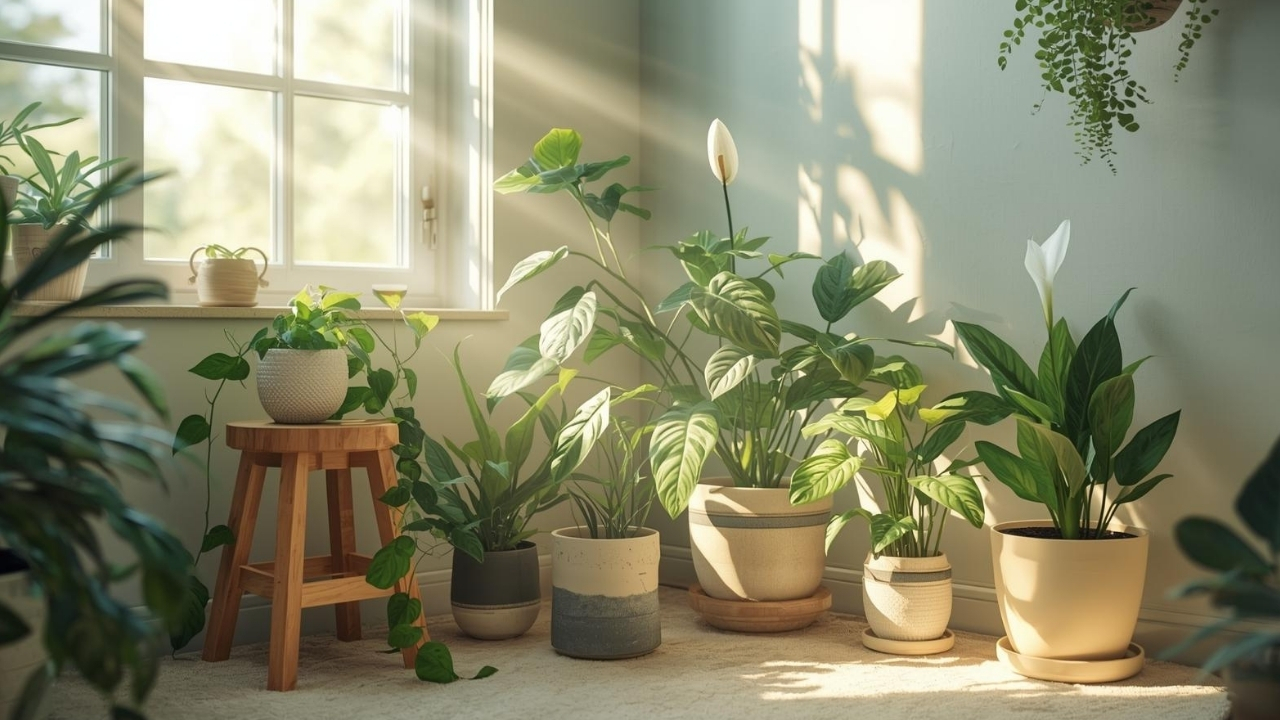
Corner Green Sanctuary
Put a tall snake plant or ZZ plant in an empty corner to bring life into unused spaces.
Desk Companion Plant
A small peace lily or pothos adds positivity and calmness to your work environment.
Start small—you can always expand your indoor garden as your confidence grows.
Final Thoughts
Indoor plants are a wonderful way to add life, color, and serenity to your home. You don’t need a green thumb to get started—just a willingness to observe, learn, and experiment. With beginner-friendly plants like pothos, snake plants, and ZZ plants, plus the simple care tips in this guide, you can create a thriving indoor oasis that brings joy and comfort to your everyday life.
Whether you place one little succulent on your desk or build an entire plant wall, remember that each plant adds beauty and balance to your space. The ChillBloom approach is simple: start slow, stay curious, and enjoy the process.