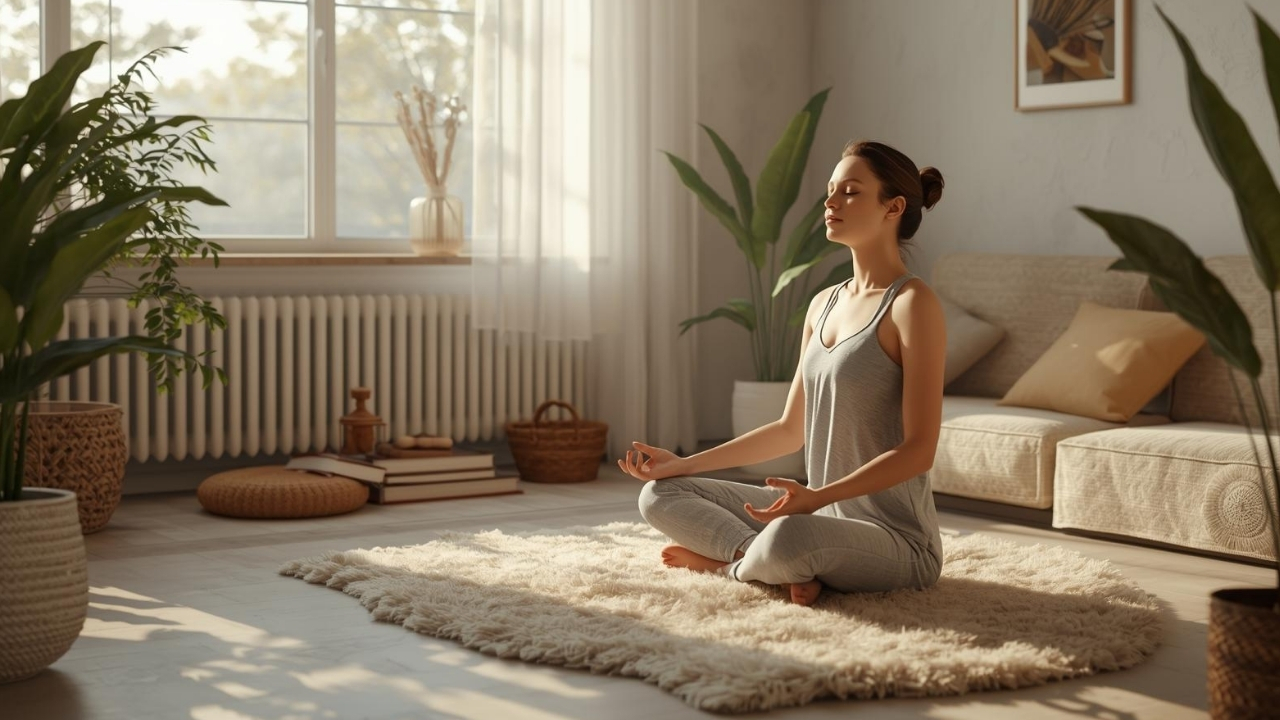
Small Lifestyle Changes That Make a Big Difference

When we think about improving our lives, we often imagine big transformations—drastic diet shifts, dramatic fitness goals, or major lifestyle overhauls. The problem is that enormous changes can feel intimidating, unrealistic, and overwhelming. That’s why many people quit before they even begin. But what if the path to a better, more balanced life is actually built on small choices? What if your daily habits—tiny, almost invisible actions—have the power to create meaningful change?

The truth is, they do. Small lifestyle changes are often the most effective because they’re sustainable. They fit into your daily routine, they don’t demand perfection, and they gradually create momentum. Over time, these little shifts compound, shaping a healthier, calmer, and more intentional version of you.

In this blog, you’ll discover simple, manageable changes that require minimal effort but offer surprisingly big results. Whether you’re seeking better health, more energy, less stress, or a more fulfilling day-to-day life, these practical habits can move you in the right direction—one small step at a time.

  1. Start Your Day with a Moment of Stillness

Mornings set the tone for your entire day. Many people jump straight into obligations, stress, and screens before even taking a breath. A small but powerful shift is giving yourself 2–3 minutes of stillness before anything else.

This could be:

  • Deep breathing
  • Light stretching
  • A brief gratitude moment
  • Sipping water quietly
  • Simply sitting with your thoughts

These small pauses help calm your nervous system, sharpen your focus, and create a peaceful transition into the day.

  1. Drink More Water—But Make It Enjoyable

Hydration impacts everything from energy levels to digestion, memory, and mood. Yet, it’s easy to forget to drink enough water throughout the day.

Instead of forcing yourself to chug glasses, try small habits like:

  • Keeping a water bottle within reach
  • Adding lemon, mint, berries, or cucumber for flavor
  • Drinking a glass of water before meals
  • Setting gentle reminders

These small changes make hydration effortless—and your body will thank you for it.

  1. Take Mini Movement Breaks

You don’t need an hour-long workout to feel better. Short bursts of movement throughout the day are surprisingly effective at reducing stiffness, boosting circulation, and refreshing your mind.

Try:

  • A 5-minute stretch every hour
  • Walking while taking calls
  • A few squats or desk exercises
  • A quick outdoor stroll
  • Light yoga before bed

These tiny moments add up to more mobility, better posture, and increased energy.

  1. Swap One Daily Snack for Something Nutritious

Healthy eating doesn’t require a complete dietary overhaul. Start small: choose one snack each day to swap for something wholesome.

Ideas include:

  • Nuts instead of chips
  • Fruit instead of sweets
  • Yogurt instead of dessert
  • Smoothies instead of sugary drinks

This gentle shift requires little effort but gradually improves your overall nutrition.

  1. Declutter Your Space One Corner at a Time

A clutter-free environment creates mental clarity. But decluttering an entire home can feel impossible. Instead, choose one tiny area per day or week.

Examples:

  • A single drawer
  • Your nightstand
  • The top of your desk
  • One shelf
  • Your bathroom counter

Small decluttering sessions reduce stress and create a more calming atmosphere without overwhelming you.

  1. Step Outside Every Day, Even for a Few Minutes

Nature has a grounding, restorative effect—but you don’t need a long hike to access its benefits.

Try:

  • Standing on your balcony
  • Sitting under a tree during lunch
  • Walking around your block
  • Drinking your morning coffee outside

Even 5 minutes outdoors improves mood, reduces anxiety, and helps regulate your internal clock.

  1. Practice the “One-Minute Rule”

Created by productivity experts, the one-minute rule is simple: if something takes less than a minute, do it immediately.

Examples:

  • Putting dishes in the sink
  • Wiping a counter
  • Sending a quick text
  • Hanging up your jacket
  • Folding a blanket

This tiny shift prevents tasks from piling up and makes daily life feel more orderly.

  1. Unplug for Small, Intentional Moments

You don’t need a full digital detox to feel lighter. Instead, incorporate tiny pockets of screen-free time.

Try:

  • A no-phone breakfast
  • No social media before 9 a.m.
  • A tech-free walk
  • Putting your phone in another room while reading

These small breaks reduce digital fatigue and reconnect you with the present moment.

  1. Add a Touch of Mindfulness to Something You Already Do

Mindfulness doesn’t require long meditation sessions. Instead, bring awareness to simple daily activities.

For example:

  • Pay attention to the taste of your food
  • Take slow breaths while washing dishes
  • Listen deeply during conversations
  • Feel your body relaxing as you shower
  • Walk without rushing

These tiny shifts help calm your mind and build a stronger sense of presence.

  1. End Your Day with One Positive Reflection

Nighttime habits strongly influence mental clarity and sleep quality. A small but powerful practice is ending your day with a single positive reflection.

Ask yourself:

  • What went well today?
  • What small moment made me smile?
  • What am I grateful for?

This takes less than a minute but dramatically shifts your mindset toward positivity and appreciation.

  1. Make Sleep a Priority Through Gentle Tweaks

Better sleep doesn’t require a complicated schedule. Try small improvements like:

  • Dimming lights in the evening
  • Reducing screen time before bed
  • Using calming scents like lavender
  • Following a simple bedtime ritual
  • Keeping your room slightly cooler

These adjustments help your body naturally wind down.

  1. Celebrate Small Wins

Many people overlook progress because they’re focused on big goals. But acknowledging your small achievements builds confidence and motivation.

Celebrate things like:

  • Drinking more water
  • Decluttering a corner
  • Getting outside
  • Choosing a healthy snack
  • Taking a stretch break

These little victories remind you that progress happens step by step.

Why Small Changes Matter More Than Big Ones

Small lifestyle changes are powerful because they:

  • Build momentum—success leads to more success
  • Feel manageable, not overwhelming
  • Create long-term habits instead of short-term effort
  • Boost your confidence as you see progress
  • Integrate into your life naturally

This approach removes the pressure of perfection and replaces it with consistency and ease.

How to Get Started

To put these ideas into action, choose just one or two small changes to focus on this week. Keep it simple. Keep it gentle. Keep it sustainable.

Ask yourself:

  • What feels easy to start today?
  • What change would make my life feel a little lighter?
  • What tiny habit fits naturally into my routine?

Then, give yourself permission to move at your own pace.

Final Thoughts: Big Change Begins with Small Steps

A meaningful lifestyle transformation doesn’t happen overnight. It grows from small, intentional choices that gradually build a foundation of well-being. Each tiny shift—each glass of water, each mindful moment, each minute of movement—creates a ripple effect that gently reshapes your life.

With time, these small actions turn into automatic habits. They lead to more energy, more clarity, more balance, and a deeper sense of fulfillment. And the best part? You don’t have to wait to feel the benefits. You can start today, with one small change.

Because when you focus on small steps, your life transforms in big, beautiful ways—naturally, sustainably, and with ease.


 

How to Practice Digital Detox the ChillBloom Way

We live in a world where screens are almost impossible to escape. From the moment you wake up to the moment you fall asleep, digital noise surrounds you—notifications, emails, messages, news updates, work demands, online shopping, social media scrolling, and endless pings. Technology is useful, even necessary, but constant interaction with devices can drain your energy, cloud your mind, and disconnect you from your own life.

That’s why a digital detox isn’t just a trendy idea—it’s an essential form of self-care. But the ChillBloom approach isn’t about strict rules, extreme cutoffs, or throwing your phone into a drawer for a week. Instead, it’s about mindful adjustments, gentle boundaries, and realistic steps that fit into everyday life.

In this blog, you’ll explore how to detox digitally the ChillBloom way: slow, intentional, flexible, and deeply nourishing. With a few practical habits, you can regain control of your time, rebuild your focus, and reconnect with yourself and the world around you—without feeling restricted or overwhelmed.

  1. Start with Awareness, Not Guilt

The first step to practicing a digital detox is simply noticing your habits. Many people pick up their phones automatically—when bored, stressed, waiting in line, or trying to distract themselves. Awareness helps you understand where your energy is going.

Instead of judging yourself, ask:

  • When do I reach for my phone the most?
  • Which apps drain my mood?
  • What triggers my scrolling?
  • How does my body feel after long screen time?

This gentle awareness is the foundation of the ChillBloom approach. You’re not trying to shame yourself into change—you’re learning about yourself with curiosity.

  1. Reduce Digital Noise with Micro-Detoxes

A full break from screens is wonderful, but not always realistic—especially if your work depends on technology. Micro-detoxes are short, intentional pauses you can sprinkle throughout your day to create relief without disruption.

Examples include:

  • A 5-minute screen-free break every hour
  • No phone during meals
  • A 10-minute morning stretch before touching your screen
  • Choosing silence instead of scrolling while commuting
  • A short walk without your phone

These little breaks help your mind reset and prevent digital fatigue from building up.

  1. Create Device-Free Zones

A ChillBloom digital detox isn’t only about when you use screens—it’s also about where. Certain spaces feel calmer, more restful, and more present when they’re screen-free.

Choose one or two areas to designate as device-free zones, such as:

  • Your dining table
  • Your bed
  • A reading corner
  • Your bathroom
  • Your morning routine space

This encourages mindful connection with your environment and adds a sense of peace to daily life.

  1. Limit Notifications to What Truly Matters

Notifications are one of the biggest culprits behind digital burnout. Every ping triggers your attention, interrupts your flow, and increases stress. Most notifications aren’t necessary—you don’t need an alert every time someone likes a post or a brand sends a sale message.

Try this ChillBloom-inspired practice:

  • Turn off non-essential notifications
  • Keep only necessary alerts (calls, texts, work apps if needed)
  • Switch your phone to silent during deep-focus periods
  • Move distracting apps off your home screen

Reducing digital noise boosts your mental clarity instantly.

  1. Set Gentle Time Boundaries

Rigid time limits can feel restrictive. ChillBloom supports a kinder approach—soft boundaries that protect your energy without feeling like punishment.

Examples include:

  • No screens the first 15 minutes of your morning
  • No doomscrolling after 9 p.m.
  • A designated “scroll window” instead of random browsing
  • A quiet hour in the evening for offline relaxation
  • A screen-free Sunday morning

These boundaries help you stay intentional about your digital interactions.

  1. Replace Scrolling with Nourishing Activities

One of the reasons people struggle with digital detox is because screens act as fillers—filling boredom, stress, or silence. Instead of simply removing digital habits, the ChillBloom way encourages replacing them with activities that feel genuinely nourishing.

Try:

  • Reading a physical book
  • Journaling
  • Stretching or light yoga
  • Enjoying tea mindfully
  • Doing a creative hobby
  • Going for a walk
  • Listening to calming music
  • Spending time outdoors

When you add more nourishing moments to your day, your need for digital distraction naturally decreases.

  1. Practice Mindful Phone Use

Mindfulness doesn’t stop at meditation—it extends to how you interact with your devices. Mindful phone use means bringing awareness to your actions instead of getting pulled into automatic habits.

Before picking up your phone, ask:

  • Why am I reaching for this?
  • What do I want from this moment?
  • Is there a healthier way to meet that need?

You might realize you weren’t actually seeking information—you were seeking comfort or escape. This awareness helps you choose more intentional actions.

  1. Use Technology to Support Your Detox, Not Distract You

Technology isn’t the enemy. When used mindfully, certain tools can actually support your digital detox journey.

Useful tools include:

  • Apps that track screen time
  • Focus timers
  • Mindfulness or meditation apps
  • Night mode or grayscale settings
  • “Do Not Disturb” schedules

These features help guide your digital habits instead of controlling them.

  1. Create Rituals That Signal “Offline Time”

Your mind responds well to signals and rituals. Ending your day with a calming routine helps your brain shift away from digital stimulation and into relaxation. ChillBloom-inspired rituals include:

  • Putting your phone in a designated spot
  • Dimming lights and lowering noise
  • Doing a 2-minute breathing exercise
  • Journaling about your day
  • Reading a few pages before bed
  • Using a warm drink as a grounding signal

When repeated consistently, these rituals help you unwind much faster.

  1. Connect More Deeply with the Present Moment

Screens often pull your focus outward. A digital detox helps you turn that attention inward or toward what’s right in front of you.

Practice simple ways to be present:

  • Notice your surroundings
  • Feel your breath
  • Pay attention to sounds, textures, and sensations
  • Enjoy conversations without multitasking
  • Tune into your emotions without distraction

These micro-presence moments bring calm and reduce emotional overload.

  1. Give Yourself Screen-Free Weekends or Mini-Retreats

Once you’ve mastered small detox habits, you may feel ready to try bigger resets—still the ChillBloom way, meaning gentle, intentional, and flexible.

Try:

  • A half-day digital break
  • A screen-free Sunday
  • A weekend trip without your laptop
  • A morning spent outside, phone-free
  • A cozy indoor retreat with books, tea, and quiet time

These mini-breaks feel refreshing and restorative, helping you return to digital life with a clearer mind.

  1. Reflect on Your Digital Detox Progress

Reflection is key to understanding how digital habits affect your well-being. Use journaling or quiet time to ask yourself:

  • Do I feel calmer?
  • Am I more focused?
  • Is my sleep improving?
  • Do I feel less overwhelmed?
  • Which digital habits drain me the most?
  • What offline activities bring me joy?

This reflection keeps you motivated and aware.

Final Thoughts: A Digital Detox That Fits Your Life

Practicing a digital detox doesn’t mean abandoning technology—it means redefining your relationship with it. The ChillBloom way is about compassion, balance, and gentle shifts that support your mental clarity and well-being.

You don’t need extreme rules or long breaks to feel better. Small choices—moments of pause, mindful use, device-free spaces, and nourishing offline activities—bring calm back into your life one day at a time.

Let your digital detox be soft, steady, and aligned with your lifestyle. Over time, you’ll notice that your mind feels lighter, your days feel longer, and your connection to the world becomes richer.

Because true clarity doesn’t come from cutting things out—it comes from choosing what brings peace, presence, and purpose to your everyday life.


Benefits of Daily Journaling for Mental Clarity

In a world filled with constant noise—digital notifications, work responsibilities, family needs, social expectations—it’s easy for your thoughts to become tangled. You may find yourself overwhelmed, scatterbrained, or mentally exhausted without understanding exactly why. Daily journaling offers a simple yet powerful solution: a space where your thoughts can breathe, settle, and make sense. It gives your mind room to unwind, reflect, and reset, leading to greater clarity and emotional balance.

Contrary to popular belief, journaling doesn’t require perfect handwriting, elaborate entries, or a strict schedule. It’s not about crafting beautiful prose or writing something profound every day. Journaling is simply a conversation with yourself—a private, judgment-free zone where your thoughts can land safely. When practiced daily, it becomes a grounding ritual that sharpens your mental clarity and transforms how you navigate your life.

In this blog, we’ll explore the meaningful benefits of daily journaling and how this simple habit can bring more focus, calm, and insight into your days.

  1. Clears Mental Clutter

Your mind processes thousands of thoughts every single day. Some are helpful, but many float around without direction—worries, reminders, emotions, unfinished plans. When these thoughts pile up, they create mental clutter that can cloud your decision-making and leave you feeling overwhelmed.

Journaling acts as a mental decluttering process. By writing down your thoughts, you’re removing them from your internal space and placing them where you can see them clearly.

This practice helps you:

  • Identify what actually matters
  • Release unnecessary worries
  • Prioritize tasks
  • Recognize repeating thought patterns

Think of your journal as a “thought inbox.” Once your thoughts are on paper, your mind doesn’t need to hold them anymore.

  1. Helps You Process Emotions

Emotions can be complicated. Sometimes you feel something strongly without knowing why—or you push down emotions because you don’t have time to deal with them in the moment. Over time, those unresolved feelings build tension that affects your mood and energy.

Daily journaling gives you a safe place to explore your emotions without judgment. When you write about how you feel, you’re not trying to fix anything—you’re simply acknowledging your experience.

This practice helps:

  • Reduce emotional overwhelm
  • Increase emotional understanding
  • Release pent-up feelings
  • Build emotional resilience

When emotions flow onto the page, they often lose their intensity and reveal deeper insights.

  1. Enhances Self-Awareness

Self-awareness is one of the most valuable qualities you can develop. It helps you understand your motivations, habits, needs, strengths, and blind spots. But self-awareness doesn’t appear out of nowhere—you cultivate it through reflection, curiosity, and honesty.

Journaling encourages you to slow down and reflect on:

  • Why you reacted a certain way
  • What triggers stress or joy
  • How your habits support or drain you
  • What patterns show up repeatedly
  • Which areas of your life need care

The more you journal, the more you begin to see yourself clearly. This self-awareness leads to personal growth, better decisions, and healthier relationships.

  1. Boosts Focus and Productivity

When your mind feels scattered, it’s hard to focus on what’s important. Journaling helps you structure your thoughts, which naturally improves your ability to concentrate.

Many people use journaling to:

  • Outline priorities
  • Break big tasks into smaller steps
  • Reflect on progress
  • Track goals
  • Stay organized

Writing things down creates mental clarity that boosts productivity. It shifts you from reactive mode to intentional action.

Even a short morning journaling session can help you begin your day with focus instead of mental chaos.

  1. Reduces Stress and Anxiety

Stress often comes from the unknown—uncertainty about the future, worry about outcomes, or concern about things you can’t control. Journaling helps reduce stress by making the intangible feel tangible.

When you write down your fears or worries, they become clearer and less intimidating. You can view them from a calm distance rather than feeling consumed by them.

Daily journaling can:

  • Help you release anxious thoughts
  • Lower overall stress levels
  • Increase feelings of calm
  • Provide emotional grounding

This makes journaling a simple but powerful stress-relief tool you can use anytime.

  1. Encourages Problem-Solving and Insight

Writing helps you slow down your thinking enough to see solutions you might otherwise miss. When you put your challenges on paper, you can examine them with more clarity and perspective.

Through journaling, you can:

  • Brainstorm solutions
  • Identify options you didn’t notice before
  • Reflect on past situations and what you learned
  • Explore new ways of approaching a problem

It’s like having a conversation with the wisest version of yourself. The solution often reveals itself when the problem is written down.

  1. Strengthens Gratitude and Positive Thinking

Gratitude journaling is one of the most researched and effective forms of journaling. Writing down a few things you’re grateful for each day helps shift your mindset from scarcity to abundance.

Practicing gratitude in your journal can:

  • Improve mood
  • Reduce negative thinking
  • Enhance emotional resilience
  • Increase optimism
  • Promote a sense of contentment

Even on difficult days, finding something small to appreciate helps anchor your mind in positivity and perspective.

  1. Helps You Track Personal Growth

Daily journaling creates a written record of your journey—your dreams, challenges, progress, and insights. Over time, this record becomes a powerful tool for self-reflection and growth.

Looking back on older entries can help you see:

  • How much you’ve grown
  • Which goals you’ve achieved
  • How your mindset has evolved
  • What habits have changed
  • What you’ve learned from past experiences

This creates a sense of progress that boosts confidence and motivation.

  1. Supports Better Decision-Making

When decisions feel overwhelming, journaling can help you gain clarity. Writing forces you to articulate your thoughts in a structured way, revealing what’s truly important.

You can use your journal to:

  • Weigh pros and cons
  • Explore how you feel about each option
  • Reflect on whether a choice aligns with your values
  • Play out possible scenarios
  • Identify your priorities

This helps reduce impulsive decisions and supports thoughtful, grounded choices.

  1. Improves Mental Peace and Stillness

Daily journaling gives you time to pause amid the noise of life. It becomes a moment of stillness—a break from constant input and stimulation.

This moment of quiet helps you:

  • Reconnect with yourself
  • Breathe more deeply
  • Feel grounded and centered
  • Reduce mental fatigue
  • Experience inner calm

Over time, this ritual becomes something you look forward to. It’s a daily return to yourself.

How to Start Journaling for Mental Clarity

You don’t need a perfect plan to begin. Just start small.

Here are a few simple approaches:

Free Writing

Write whatever comes to mind without editing yourself.

Prompt Journaling

Use questions like:

  • What’s on my mind right now?
  • What do I need today?
  • What am I worried about?
  • What am I grateful for?

Morning Pages

Write for a set time (5–10 minutes) first thing in the morning.

Evening Reflection

Review your day and note highlights, challenges, and lessons.

List Journaling

Make lists—goals, feelings, ideas, intentions, or accomplishments.

Choose the method that feels most natural.

Final Thoughts: A Small Habit with Big Impact

Daily journaling is one of the simplest ways to find mental clarity in a busy, overstimulated world. It helps you slow down, understand yourself, release stress, and make better decisions. With just a few minutes a day, you can create a powerful practice that nurtures your mind and supports your emotional well-being.

You don’t need to write perfectly. You don’t need to write a lot. You just need to show up, even briefly, and give your thoughts a place to land.

Clarity follows consistency—and journaling is the pathway that helps bring that clarity into your life, one day at a time.


ChillBloom Stress Relief Hacks for Busy People

Stress has a way of sneaking into every corner of a busy life. Whether you’re juggling work, family, personal goals, or an endless stream of responsibilities, pressure can build so quickly that you barely notice it—until it begins affecting your mood, energy, and well-being. For people with packed schedules, stress relief often feels like something that requires more time than they have. But the truth is, you don’t need long breaks, spa days, or hours of meditation to feel calmer. What you need are simple, effective, and realistic tools you can use throughout your day.

That’s where ChillBloom comes in: a mindset and lifestyle approach built around small, meaningful habits that bring relief, balance, and ease back into your daily routine. You don’t have to overhaul your life to feel better—you just need a few steady stress-relief hacks that fit naturally into the rhythms of a busy lifestyle.

In this blog, you’ll discover practical, approachable strategies you can start using right away. These hacks are designed to help you breathe deeper, think clearer, and stay grounded, even when life moves fast.

  1. The 60-Second Reset: A Quick Calm for Chaotic Moments

A busy lifestyle doesn’t always allow you to take long breaks, but a one-minute reset can still do wonders. This simple technique helps interrupt stress before it spirals.

Try this:

  1. Sit or stand tall.
  2. Inhale slowly through your nose for four seconds.
  3. Hold for two seconds.
  4. Exhale through your mouth for six seconds.
  5. Repeat for 60 seconds.

This is one of the fastest ways to shift your nervous system from tension to relaxation. Do it before important calls, after a stressful conversation, or whenever you feel overwhelmed.

  1. Micro-Moments of Mindfulness

You don’t need a long meditation session to benefit from mindfulness. Insert tiny moments of awareness into your daily routine.

Here are a few easy examples:

  • Feel the water on your hands while washing dishes.
  • Take 10 mindful breaths before opening your inbox.
  • Notice the sounds around you for 20 seconds.
  • Check in with your body while waiting in line.

These micro-moments encourage your mind to return to the present instead of spiraling into stress.

  1. The ChillBloom “Three-Item To-Do” Rule

Long to-do lists create stress before you even begin your day. They make everything feel urgent, overwhelming, and never-ending. Instead, try the ChillBloom method:

Choose your top three priorities for the day.

This doesn’t mean ignoring everything else—it means focusing your energy where it matters most. Completing three meaningful tasks reduces overwhelm and builds a sense of accomplishment that carries you forward.

  1. Refresh Your Space in Two Minutes

Your environment affects your mood more than you realize. A cluttered desk, messy living room, or crowded counter can subtly increase stress levels.

Try the “two-minute refresh”:

  • Set a timer.
  • Tidy only what’s in plain sight.
  • Stop when the timer ends.

This technique creates immediate visual calm without feeling like a chore.

  1. Keep a Stress-Relief Kit at Work or in Your Bag

A busy life becomes easier when comfort is within reach. Build a tiny portable stress-relief kit with items that soothe you.

Ideas include:

  • Herbal tea packets
  • A calming essential oil roller
  • A mini notebook
  • Headphones for relaxing music
  • A stress ball or fidget tool
  • A small snack
  • Tissues or hand wipes

Having this kit with you means you can ease stressful moments on the go.

  1. Use the “One-Minute Margin” Between Tasks

Instead of jumping from task to task, give yourself a tiny buffer.

In that minute, you can:

  • Stretch your shoulders
  • Sip water
  • Take a breath
  • Reset your posture
  • Close your eyes briefly

This margin prevents burnout and keeps your mind from entering constant rush mode.

  1. Digital Boundaries That Protect Your Peace

Busy people often feel trapped by devices—constantly responding, checking, reacting. But digital boundaries help you reclaim mental space.

Try one or two of these:

  • Turn off unimportant notifications
  • Keep your phone on silent during deep work
  • Limit social scrolling to certain times
  • Move distracting apps off your home screen
  • Set “no-screen” windows in your morning or evening

These small boundaries add up to major stress relief.

  1. Find a “Calm Anchor” in Your Day

A calm anchor is a small moment you intentionally repeat every day—something comforting that helps you reset emotionally.

Examples include:

  • Enjoying your morning coffee without multitasking
  • Listening to a calming song on your commute
  • Taking a mindful walk around the block
  • Practicing a short breathing exercise before bed

Anchors help you stay grounded no matter how hectic the day becomes.

  1. Move Your Body Without “Working Out”

Exercise reduces stress, but when you’re busy, long workout sessions can feel impossible. Instead, focus on small, easy movements throughout the day.

Try:

  • Stretching your arms overhead once an hour
  • Walking during phone calls
  • Rolling your ankles or wrists while sitting
  • Doing 10 squats before your shower
  • Standing up for one minute every 30 minutes

Movement helps release tension and boosts your energy naturally.

  1. Use the Power of Music to Regulate Your Mood

Music is one of the fastest stress relievers. Create playlists with different emotional purposes:

  • A calming playlist for unwinding
  • A focus playlist for deep work
  • A mood-boosting playlist for energy dips
  • A bedtime playlist to prepare for sleep

Even one song can shift your mood and ease stress.

  1. Talk to Yourself Like a Supportive Friend

Busy people often put intense pressure on themselves. Internal criticism increases stress dramatically. One of the most powerful ChillBloom hacks is mastering your inner voice.

Try asking:

  • “What’s the kindest thing I can tell myself right now?”
  • “What would I say to a friend in this situation?”
  • “Is this thought helping or hurting me?”

This mindset shift reduces mental tension and builds resilience.

  1. Practice the “Five-Second Pause” Before Reacting

When stress levels are high, reactions become quick and sharp. This hack helps you respond calmly instead.

Before reacting to anything stressful—an email, a comment, a problem—pause for five seconds.

This allows:

  • Your heartbeat to slow
  • Your breath to deepen
  • Your mind to clear

Five seconds is enough to create a calmer, more grounded response.

  1. End Your Day with a Gentle Release Ritual

Even busy people need a few minutes to unwind. Ending the day intentionally helps prevent stress from carrying into tomorrow.

Try:

  • Writing down what you’re letting go of
  • Stretching for two minutes
  • Doing a short gratitude reflection
  • Dimming the lights and slowing your breath

These small practices signal to your body that it’s safe to rest.

Final Thoughts: Calm Is Possible, Even When Life Is Busy

Stress doesn’t disappear just because you have a full schedule—but your ability to handle it can grow stronger with the right habits. ChillBloom’s approach to stress relief is simple: focus on small, grounding practices that fit naturally into your day. You don’t need extra hours, expensive tools, or perfect routines. You just need moments—small, intentional moments that bring you back to yourself.

Try one or two of these hacks today. Build them into your rhythm. Let them become anchors of calm in the midst of everything you handle.

Because even the busiest people deserve peace. And with a few simple shifts, that peace can bloom right where you are.


How to Build a Peaceful Night Routine

The way you end your day shapes how you begin the next one. A peaceful night routine isn’t just about getting more sleep—it’s about creating space to unwind, reconnect with yourself, and gently release the energy you’ve gathered throughout the day. When your evenings feel rushed, chaotic, or overstimulated, your body struggles to transition into rest. But when your nights are calm and intentional, your mind settles naturally, your sleep deepens, and your mornings become far more manageable.

A peaceful night routine doesn’t have to be complicated or time-consuming. It simply needs to support your well-being and encourage relaxation. In this guide, we’ll explore practical steps to build a soothing nightly ritual that helps you drift into sleep with ease and wake up feeling grounded and refreshed.

  1. Create a Soft Landing at the End of Your Day

Your evening begins long before you crawl into bed. A peaceful night routine truly starts with how you transition out of your daytime energy. After hours of movement, noise, decisions, and stimulation, your brain needs time to shift gears.

Start by setting a simple “evening boundary.” This might be:

  • Closing your work laptop at a consistent time
  • Turning off unnecessary notifications
  • Tidying the space where you spend your evening
  • Putting away reminders of unfinished tasks

This boundary serves as a gentle signal: the day is winding down. Even a two-minute ritual—like dimming the lights or lighting a candle—can create a noticeable shift in your environment and your mind.

  1. Slow Down Your Pace Intentionally

Many people rush through evenings the same way they rush through their days. A peaceful night routine asks you to do the opposite: slow down. You don’t need to move in slow motion, but you can bring a sense of gentleness into your actions.

Try these small shifts:

  • Walk slower
  • Speak softer
  • Take deeper breaths
  • Eat more mindfully
  • Reduce multitasking

This pace encourages your nervous system to transition from alertness to relaxation. When your movements become calm, your mind begins to follow.

  1. Step Away from Screens (Even Briefly)

Screens are one of the biggest obstacles to peaceful nights. Blue light isn’t the only issue—constant scrolling, streaming, and messaging keeps your brain in a stimulated state. You don’t need to avoid screens entirely, but reducing them for even 20–30 minutes before bed makes a dramatic difference.

Try one of these:

  • Keep your phone out of reach
  • Switch to an audiobook, gentle music, or a podcast
  • Use low-brightness or warm-tone display settings
  • Physically turn off bright overhead lights
  • Replace late-night screen time with small offline rituals

The key is giving your mind a chance to disengage from rapid input so it can settle naturally.

  1. Create a Physical Wind-Down Ritual

Your body loves consistency, especially when it comes to rest. A physical ritual signals to your brain that bedtime is approaching. The ritual doesn’t need to be elaborate—it just needs to be repeatable.

You might try:

  • A warm shower or bath
  • Skincare or gentle self-massage
  • Stretching your shoulders, neck, or back
  • Changing into comfortable clothes
  • Making a warm, non-caffeinated drink

These small actions help your muscles release tension and send a message to your nervous system that the day is coming to a close. Over time, the routine itself becomes calming because your body recognizes it as a cue for rest.

  1. Declutter Your Mental Space

A busy mind is one of the biggest barriers to sleep. The thoughts you ignore throughout the day often rise to the surface at night. Instead of fighting them, give them space to come out.

Here are a few calming ways to unload your mind:

Brain Dumping

Write down everything on your mind—tasks, worries, ideas, reminders. No structure needed. Let it all fall onto the page.

Gratitude Journaling

List three things you appreciated today, no matter how small.

Gentle Reflection

Ask yourself simple questions:

  • What went well today?
  • What do I want to release?
  • How do I want to feel tomorrow?

These practices clear mental clutter and help you end your day on a grounded note rather than a frantic one.

  1. Set Up Your Space for Comfort

A peaceful night routine is deeply influenced by your environment. When your space feels chaotic, your rest suffers. When it feels comforting, your mind and body relax naturally.

Consider making small adjustments to your nighttime environment:

  • Dim the lights or use warm-tone bulbs
  • Play soft music or ambient sounds
  • Keep your bedroom cool
  • Add a cozy blanket or pillow
  • Light a calming scent like lavender or chamomile
  • Put away objects that signal stress, like paperwork or laundry piles

You don’t need a picture-perfect bedroom. You just need a space that feels safe and soothing.

  1. Add a Mindfulness Practice

Mindfulness helps your brain slow down enough to recognize that it’s safe to rest. It doesn’t require long meditation sessions—just a few minutes of intentional stillness can make a big impact.

Choose one of these simple practices:

Breathing Meditation

Inhale for four seconds, exhale for six. Repeat for a few minutes.

Body Scan

Move your awareness slowly from your toes to your head, relaxing each area as you notice it.

Calming Visualization

Imagine a peaceful scene—a forest path, gentle waves, warm sunlight—and let yourself mentally rest inside it.

Affirmations

Repeat quiet phrases like:

  • “I release today.”
  • “My body is safe.”
  • “I invite peace into this night.”

Mindfulness shifts your nervous system from tension to ease, preparing you for deeper rest.

  1. Choose Nourishing Nighttime Activities

A peaceful night routine doesn’t mean stripping away everything fun—it means choosing activities that actually support your well-being. Instead of overstimulating yourself with intense media, try simple activities that feel soothing rather than draining.

You might enjoy:

  • Reading
  • Coloring or drawing
  • Listening to calm music
  • Light stretching or yoga
  • Aromatherapy
  • Gentle crafting
  • Journaling

These activities offer comfort without overwhelming your mind.

  1. Prepare for Tomorrow Without Stress

A key part of a peaceful night routine is removing tomorrow’s anxiety before it even arrives. This doesn’t mean planning your entire day—it simply means giving your future self a little support.

Try one or two of these:

  • Lay out your clothes
  • Prepare your bag or workspace
  • Set out breakfast ingredients
  • Make a short to-do list
  • Review your schedule briefly

Spend no more than 10 minutes. The goal is to ease stress, not create more tasks.

  1. Create a Consistent Sleep Cue

Your body thrives on rhythm. When your nighttime routine ends with a consistent cue, your brain learns to associate that cue with sleep.

Try:

  • Turning off the last light at the same time
  • Playing the same calming sound
  • Saying a grounding phrase
  • Doing a short breathing practice
  • Reading one page of a book

When repeated nightly, this cue becomes a gentle on-switch for your body’s natural sleep cycle.

Final Thoughts: Peaceful Nights Build Peaceful Lives

Building a peaceful night routine isn’t about perfection—it’s about creating an environment and rhythm that supports who you are and how you want to feel. When your nights are calm, your days become lighter. You think more clearly, move more intentionally, and handle challenges with steadier energy.

Start small. Choose one or two practices from this guide and weave them into your evenings. Over time, your night routine will become a comforting ritual—one that helps you transition out of the noise of the day and into the peace you deserve.

A peaceful night is a gift you give to yourself, again and again. Each evening is an opportunity to slow down, breathe deeply, and return to calm. And when you honor that opportunity, your life softens in beautiful, meaningful ways.


Easy Meditation Practices for Everyday Calm

Life can feel like a constant wave of motion—tasks, conversations, notifications, responsibilities, decisions, and a never-ending sense that there’s more to do. In the midst of all this, meditation becomes not a luxury, but a life raft. It’s a gentle way of returning to yourself, grounding your mind, and creating space inside your day for peace to enter.

But many people imagine meditation as something complicated or time-consuming. They picture long silent sessions, elaborate rituals, or perfect posture on a cushion. The truth is, meditation can be simple, approachable, and woven seamlessly into everyday life. It doesn’t require special training, hours of practice, or a quiet mountaintop. It only requires a willingness to pause and breathe.

In this blog, you’ll discover easy meditation practices designed for real life—busy mornings, stressful afternoons, restless evenings, and everything in between. These techniques are meant to help you cultivate calm in just a few minutes a day, no matter where you are or what you’re doing.

Let’s explore practical ways to add meditation into your routine and invite everyday calm back into your world.

  1. The One-Minute Breathing Reset

Meditation doesn’t need to be long to be effective. A single minute of intentional breathing can quiet your mind and signal your nervous system to relax.

Try this simple practice:

  1. Sit or stand comfortably.
  2. Close your eyes or soften your gaze.
  3. Inhale slowly for four seconds.
  4. Exhale slowly for four seconds.
  5. Repeat for one minute.

As you breathe, imagine your inhale clearing space and your exhale releasing tension. Your heart rate slows, your mind steadies, and your body softens.

This micro-meditation is perfect for transitions—before a meeting, after a stressful conversation, or whenever your mind begins to race.

  1. The Sensory Grounding Meditation

This is one of the easiest ways to drop into the present moment, especially when your mind feels scattered. Sensory grounding works by tuning into your physical senses, bringing you out of anxious thoughts and into your body.

Use the 5-4-3-2-1 method:

  • 5 things you can see
  • 4 things you can touch
  • 3 things you can hear
  • 2 things you can smell
  • 1 thing you can taste

You can do this anywhere—your living room, your office, your car, or while taking a walk. It gently pulls your awareness out of mental noise and into what’s real and present around you.

  1. The Morning Sunlight Meditation

If you struggle with stressful mornings, this is a perfect grounding ritual. It takes just a few minutes and helps set a calm emotional tone for the day.

Here’s how to practice it:

  1. Stand or sit near a window—or outdoors if possible.
  2. Close your eyes briefly and breathe slowly.
  3. Feel the light on your skin, even if it’s soft or filtered.
  4. Allow the warmth or brightness to anchor you.
  5. Imagine the light filling your body with clarity and ease.

This meditation wakes up your senses gently and encourages a peaceful beginning rather than rushing into your day.

  1. The Walking Meditation

If sitting still feels difficult, walking meditation is a wonderful alternative. It transforms something you already do into a calming and mindful practice.

To try it:

  1. Walk at a comfortable pace.
  2. Notice the feeling of your feet touching the ground.
  3. Observe your steps: heel, arch, toe.
  4. Keep your gaze soft and your breath steady.
  5. If your mind drifts, return your focus to the rhythm of walking.

Even 3–5 minutes of mindful walking can clear mental fog and ground your emotions.

  1. The Gentle Body Scan

A body scan is a form of meditation that invites you to check in with your physical self. Tension often hides in areas we don’t notice—shoulders, jaw, stomach, neck. This practice helps release it.

Try this:

  1. Sit or lie down.
  2. Close your eyes and breathe deeply.
  3. Bring awareness to your toes, then slowly move upward.
  4. Notice sensations, tension, or warmth.
  5. With each exhale, imagine releasing tightness from each area.

This meditation is especially soothing before bed or after a long day.

  1. The “Noticing Your Thoughts” Meditation

Instead of trying to silence your thoughts, this practice teaches you to observe them without getting pulled in. This reduces mental stress and helps you respond rather than react to situations.

Here’s how to practice:

  1. Sit quietly and breathe naturally.
  2. When a thought comes up, notice it without judgment.
  3. Imagine your thought as a cloud passing across the sky.
  4. Let it drift away and return to your breath.

The goal isn’t to stop thinking—it’s to stop holding each thought so tightly. This creates mental space and emotional balance.

  1. The Gratitude Pause Meditation

Gratitude is one of the simplest ways to elevate your mood, and combining it with meditation makes it even more powerful.

Try this short practice:

  1. Close your eyes and take a slow breath.
  2. Think of one thing—just one—that you’re grateful for.
  3. Feel the warmth of that gratitude in your chest.
  4. Breathe into the feeling for a minute or two.

This meditation shifts your focus from stress to appreciation, creating an emotional reset.

  1. The Breath-Counting Meditation

If you struggle with distraction, counting your breaths can help anchor your mind.

Here’s how to do it:

  1. Sit comfortably and inhale naturally.
  2. As you exhale, count “one.”
  3. Inhale, then count “two” on the next exhale.
  4. Continue until you reach ten, then begin again.

If your mind wanders, gently return to “one” without frustration. This brings focus and stillness into your day with minimal effort.

  1. The Mini Mantra Meditation

Mantras are simple words or phrases that calm the mind and anchor your attention. They can be spoken silently or quietly aloud.

Choose a short phrase like:

  • “I am calm.”
  • “I am safe.”
  • “I release.”
  • “Peace is here.”
  • “Inhale strength, exhale tension.”

Repeat the mantra as you breathe. The repetition helps quiet mental chatter and replaces it with calm intention.

  1. The Evening Release Meditation

At the end of the day, it’s common to carry emotional weight—unfinished tasks, worries, or tension. Evening meditation helps you release what you no longer need to hold.

Try this gentle practice:

  1. Sit or lie in a comfortable position.
  2. Inhale deeply.
  3. On each exhale, imagine placing your stress into the air and letting it dissolve.
  4. Mentally say, “I release today.”
  5. Continue for a few minutes, letting your body soften.

This meditation promotes relaxation and smoother transitions into rest.

Bringing Calm Into Your Everyday Life

Meditation becomes truly powerful when practiced consistently, even in small doses. You don’t need a perfect setup or long sessions—you just need presence and intention. Over time, these easy practices strengthen your emotional resilience, steady your nervous system, and create more space for peace in your day.

What matters most is not how long you meditate, but how often you return to yourself—through breath, awareness, softness, and compassion.

Even a few moments of meditation each day can transform the way you experience your life, one calm breath at a time.


ChillBloom Guide to Mindful Living

Mindful living isn’t about escaping life’s responsibilities, renouncing modern comforts, or striving for an unrealistic state of constant calm. Instead, it is the gentle art of being fully present—of experiencing the world with awareness, intention, and compassion. In a culture that glorifies speed, multitasking, and perpetual busyness, mindfulness becomes a quiet rebellion. It is the choice to slow down, to savor your days, and to connect deeply with your inner world.

The ChillBloom approach takes mindfulness and makes it accessible. Instead of complicated practices or rigid expectations, it offers simple, grounding rituals that you can blend into your everyday life. ChillBloom is rooted in softness, balance, and the belief that small intentional actions can dramatically shift your emotional landscape. Its philosophy centers around nurturing inner peace through gentle routines rather than forced discipline.

This guide explores how to infuse mindful living into your daily rhythm with ChillBloom-inspired principles—practical, heart-centered, and designed to help you flourish from the inside out.

  1. Begin Each Day With Conscious Presence

The first moments of your morning hold enormous power. They can fill you with stress before you’ve even gotten out of bed, or they can ground you in clarity and calm. The ChillBloom way is to invite presence first.

As soon as you wake, resist the urge to rush or reach for your phone. Instead, take a slow breath and notice how your body feels. Feel the softness of your pillow, the warmth of your sheets, and the quiet around you. This simple practice tells your brain that you’re starting your day intentionally, not reactively.

A mindful beginning can be as simple as:

  • A single deep breath
  • A stretch that awakens your body
  • Whispering an affirmation
  • Focusing on the natural morning light

By dedicating just one minute to conscious presence, you set the emotional tone for the rest of your day.

  1. Move Through Your Morning Rituals With Intention

Most people rush through the morning in autopilot mode—brushing teeth, making coffee, checking notifications, getting dressed. Mindful living invites you to slow those actions down just enough to feel them rather than bypass them.

When preparing your morning beverage, notice the aroma, the warmth, the textures. When washing your face, feel the water, the smoothness of the cleanser, the refreshing sensation. When getting dressed, choose clothing that aligns with how you want to feel, not just what’s convenient.

These tiny shifts turn routine into ritual. They make ordinary moments meaningful rather than mechanical.

  1. Practice Single-Tasking Instead of Multitasking

Multitasking has become a badge of honor, but it often leads to fragmented attention, increased stress, and decreased satisfaction. One of ChillBloom’s core principles is the art of single-tasking—doing one thing at a time with full presence.

Single-tasking helps:

  • Reduce mental clutter
  • Improve focus
  • Deepen satisfaction
  • Increase productivity without overwhelm

Try these simple single-tasking practices:

  • Eat without screens
  • Walk without checking your phone
  • Work on one task for a set period before switching
  • Listen attentively during conversations

You’ll find your mind becomes clearer, and your nervous system becomes calmer.

  1. Create Micro-Moments of Stillness Throughout the Day

Mindfulness doesn’t require long meditation sessions. The ChillBloom approach encourages micro-moments—tiny pockets of stillness that reset your mind.

Examples include:

  • Taking three slow breaths before opening an email
  • Sitting quietly for 30 seconds between tasks
  • Stretching your shoulders during a break
  • Pausing at a window to observe the sky
  • Letting your mind rest for a minute before a meeting

These small pauses prevent your mind from spiraling into stress and help you stay connected to yourself amid your responsibilities.

  1. Nourish Your Senses With Gentle Awareness

Mindful living is sensory living. Instead of moving through the world numbly, use your senses intentionally to anchor you in the present.

Try paying attention to:

  • The warmth of sunlight on your skin
  • The sound of leaves rustling or distant conversations
  • The scent of tea, coffee, or essential oils
  • The taste of your meal as if it’s the first time you’re experiencing it
  • The texture of clothing, blankets, or natural objects

Simple sensory awareness can shift your entire mood and help you reconnect with your physical body, which often gets ignored during busy days.

  1. Use Intentional Breathing as Your Anchor

Breathing is your most accessible mindfulness tool. ChillBloom doesn’t require complex breathwork techniques—just awareness.

Try this simple practice:

Inhale for four seconds, pause for one, exhale for four.
Repeat this a few times.

This slows your heart rate, reduces tension, and brings your mind back into alignment. When practiced throughout the day, intentional breathing becomes a reliable anchor during moments of pressure, irritation, or emotional overwhelm.

  1. Build Mindfulness Into Your Movement

Mindful living extends into movement—not just exercise, but everyday motion. Whether you’re walking, cleaning, cooking, or stretching, presence transforms movement into meditation.

A mindful walk might involve noticing:

  • The ground beneath your feet
  • The rhythm of your steps
  • The sensation of air against your skin
  • The colors around you

Mindful movement calms the mind without requiring strenuous effort. It reminds you that presence isn’t a task; it’s a way of being.

  1. Eat With Awareness and Appreciation

Eating mindfully is one of the most grounding forms of self-care. When you eat quickly or while distracted, your body struggles to digest properly and your mind misses the pleasure of nourishment.

Try these ChillBloom mindful eating habits:

  • Take your first bite intentionally
  • Chew more slowly
  • Pause halfway through your meal to check in with your fullness
  • Express gratitude for the food on your plate
  • Notice flavor, temperature, and texture

Eating becomes not just nourishment, but a sensory experience that brings you into deeper connection with your body.

  1. Create an Evening Ritual That Unwinds Your Mind

Mindful living isn’t only about daytime awareness; it extends into how you close your day. A calming evening routine helps your body transition from alertness to rest.

Your ChillBloom evening ritual might include:

  • Turning off bright lights
  • Putting your phone away early
  • Reading, journaling, or stretching
  • Taking a warm shower
  • Listening to gentle music
  • Reflecting on the day without judgment

Instead of crashing into bed exhausted, your body moves gradually into stillness, promoting deeper, more restorative sleep.

  1. Treat Yourself With Compassion and Patience

Mindfulness is not perfection. You will have messy days, distracted moments, and times when presence feels impossible. ChillBloom emphasizes self-compassion—being gentle with yourself as you learn and grow.

Instead of criticizing yourself for losing focus or feeling stressed, try saying:

  • “It’s okay. I’m doing my best.”
  • “I can begin again in this moment.”
  • “Mindfulness is a journey, not a test.”

Compassion creates emotional resilience. It allows mindful living to feel like nurturing, not pressure.

  1. End Each Day With Gratitude for Small Moments

Mindful living thrives when you recognize the small joys in your life. End your day by recalling one or two moments that made you feel grounded, happy, or at peace.

Maybe it was:

  • Warm sunlight
  • A meaningful conversation
  • A delicious meal
  • A laugh you needed
  • A moment of clarity

These reflections train your mind to notice joy more naturally.

Final Thoughts: Mindful Living Is a Gentle Bloom

The ChillBloom approach to mindful living isn’t about drastic change—it’s about small, soulful shifts. When you weave presence into simple moments, your days begin to feel richer, calmer, and more connected. Mindfulness becomes not a practice you schedule, but a way of being that shapes your thoughts, relationships, and experiences.

With gentle awareness, intentional action, and compassion toward yourself, you can bloom into a more mindful, grounded version of your everyday life—one peaceful moment at a time.


Simple Wellness Habits to Transform Your Day

Wellness doesn’t always come from grand lifestyle changes or time-consuming routines. More often, it’s built from small, intentional habits that seamlessly fit into your day—habits that nourish your mind, body, and emotions without requiring huge amounts of energy or effort. When these tiny practices become part of your rhythm, they create a powerful ripple effect that can transform the way you feel from morning to night.

You don’t need a complete life overhaul to feel better; what you need is a collection of practical, accessible habits that create balance, clarity, and steadiness. In this blog, we’ll explore simple wellness habits that truly elevate your daily life, without overwhelming your schedule—or your mind. Think of them as little anchors, each one gently pulling you toward a brighter, calmer, and more energized version of your day.

  1. Start Your Morning With an Intentional Pause

The way you begin your day shapes the hours that follow. Instead of jumping out of bed or scrolling through your phone, take one or two quiet minutes to simply arrive in your morning.

This intentional pause could be:

  • A few long, slow breaths
  • A stretch that wakes your body softly
  • Brief gratitude for something you’re looking forward to
  • A simple affirmation such as “Today, I choose calm”

This tiny ritual signals your nervous system to ease into the day rather than rush into it. Even a short moment of stillness can anchor you before the day’s tasks begin.

  1. Hydrate Before You Stimulate

Many people start the day with coffee or caffeinated drinks, which isn’t necessarily a problem—but pairing that with hydration first is an easy habit that improves overall energy, digestion, and mental clarity.

Keep a glass of water on your nightstand or near your sink, and drink it before your first cup of coffee, tea, or matcha. This small shift supports your body’s natural wake-up rhythm and replenishes the hydration you lose while sleeping.

To make hydration feel more enjoyable:

  • Add lemon or lime
  • Infuse water with berries or herbs
  • Use a favorite glass or bottle

This simple morning habit is one of the most effective wellness practices you can adopt.

  1. Move Your Body in Micro-Moments

Exercise doesn’t need to be an hour-long session to benefit your physical and mental health. Short bursts of movement throughout the day can improve posture, circulation, and mood while reducing stress.

Try incorporating micro-movements into your day:

  • Stretch for 60 seconds between tasks
  • Do a quick set of squats or wall push-ups
  • Walk around your home or workplace
  • Roll your shoulders and loosen your neck
  • Take the stairs when possible

These tiny movements signal your body to stay awake, engaged, and energized. The cumulative impact is stronger than you might imagine.

  1. Create an Environment That Supports Calm

Your surroundings deeply affect your emotional and mental state. When your environment feels grounding, your inner world becomes clearer and more peaceful. You don’t need a full remodel to create this effect—just a few small touches.

Consider the following habits:

  • Open your curtains early to let in natural light
  • Keep a small area tidy, like your desk or nightstand
  • Add a plant or scented candle
  • Use soft lighting in the evening to unwind

Even the slightest environmental shift can create a ripple of calm throughout your day.

  1. Practice Mindful Eating—Even Once a Day

Mindful eating isn’t about strict diets or food rules. Instead, it’s about giving yourself the gift of presence while nourishing your body. You don’t have to do it during every meal—start with just one.

During your mindful meal:

  • Put away phones or screens
  • Eat slowly and savor flavors
  • Notice textures and aromas
  • Pause between bites
  • Breathe deeply

When you’re fully present with your food, digestion improves, overeating decreases, and satisfaction increases. This simple habit shifts mealtimes from rushed to restorative.

  1. Take a Five-Minute Midday Reset

Many people push through their entire day without pausing. But adding a short midday reset can dramatically improve focus, energy, and mood. You can think of it as a mini-wellness break—quick enough to fit into any schedule.

A midday reset might look like:

  • A walk outside
  • Breathing exercises
  • Gentle stretching
  • A quiet moment away from screens
  • Drinking water mindfully
  • Sitting in silence with eyes closed

These resets are micro-recharges for your mind and body. They smooth out the midday slump and keep your energy steady.

  1. Replace One Habit That Drains You With One That Refuels You

Transformation doesn’t require eliminating everything that’s “bad”—it just requires swapping one draining habit for one supportive one. Choose something simple and manageable.

For example:

  • Swap 10 minutes of doom-scrolling for 10 minutes of reading
  • Replace late-night snacking with herbal tea
  • Trade background noise for calming music
  • Exchange negative self-talk with a grounding affirmation

These tiny substitutions quietly upgrade your day. Even one swap can noticeably improve your mental and emotional state.

  1. Get Some Sunlight and Fresh Air Every Day

Light and fresh air have incredible effects on mood, energy levels, and mental clarity. Exposure to natural light helps regulate your circadian rhythm, which affects sleep, hormones, and even your emotional balance.

Try these small ways to incorporate nature into your day:

  • Step outside for five minutes in the morning
  • Take a short walk during lunch
  • Open a window while working
  • Sit by a sunny window with your coffee

Nature acts as a natural reset button—one of the easiest, most accessible wellness tools available.

  1. Set Gentle Intentions Instead of Strict To-Do Lists

To-do lists can be helpful, but they often become overwhelming, especially when filled with tasks and deadlines. Instead of listing only responsibilities, add gentle intentions that support how you want to feel throughout the day.

Examples:

  • “I choose to stay present.”
  • “I will respond instead of react.”
  • “I give myself permission to rest when needed.”
  • “I welcome calm.”

These emotional guideposts help you navigate your day with more ease and self-awareness.

  1. Connect With Someone in a Meaningful Way

Human connection is essential for emotional well-being. Amid busy schedules, it’s easy to forget how grounding even a small moment of genuine connection can be.

Try one of these habits:

  • Send a thoughtful message to someone
  • Make eye contact and smile at a stranger
  • Offer a compliment
  • Share something positive with a friend
  • Have a two-minute heartfelt conversation

Meaningful connection lifts your mood and reminds you that you’re part of something larger than yourself.

  1. Create a Wind-Down Ritual in the Evening

Your day doesn’t just transform with how you start it—how you end it matters just as much. An evening ritual helps your mind transition into rest and signals your body to relax.

This could include:

  • Dimming lights
  • Light stretching
  • Reflecting on the best moment of your day
  • Listening to soft music
  • Putting your phone away early
  • Reading something soothing

Calm nights set the stage for restorative sleep, which in turn transforms the next day.

Final Thoughts: Transformation Comes From Consistency, Not Intensity

Wellness doesn’t require dramatic routines or perfection. Instead, it flourishes through small, steady habits that quietly shift your day toward calm, clarity, and vitality. When you stack tiny wellness choices—pausing in the morning, moving gently, eating mindfully, breathing deeply, connecting meaningfully—you create a life that feels more grounded and fulfilling.

These simple habits don’t just transform your day; over time, they transform your entire well-being. One moment at a time. One choice at a time. One day at a time.


How to Create a Healthy Mindset with ChillBloom Tips

A healthy mindset isn’t something we stumble into by accident—it’s something we cultivate with intention, patience, and daily habits that gently shape the way we think, feel, and respond to the world. In a culture that often glorifies hustle, overstimulation, and constant productivity, caring for your mental landscape can feel like an act of resistance. Yet it’s also one of the most powerful choices you can make for your emotional well-being.

That’s where the ChillBloom philosophy comes in. ChillBloom isn’t about overwhelming self-improvement. It’s about slow growth—allowing your mindset to flourish through steady, practical, nourishing habits that help you feel more grounded and centered every day. Instead of forcing change, ChillBloom encourages you to bloom into a healthier mental space with small, sustainable shifts.

In this blog, you’ll find a comprehensive guide to creating a healthy mindset using ChillBloom-inspired tips: gentle practices rooted in clarity, calmness, self-compassion, and mindful presence. These aren’t quick fixes or rigid rules. They’re invitations—ways to soften your inner dialogue, cultivate positivity, and develop emotional resilience at your own pace.

  1. Start With Self-Awareness—Your Inner Landscape Matters

Creating a healthy mindset begins with understanding the thoughts, patterns, and emotions that already shape your daily life. Many people try to adopt new habits without first observing what’s actually happening inside their minds. ChillBloom encourages you to pause and reflect before you attempt to grow.

Try checking in with yourself through simple prompts:

  • What thoughts show up most often in my mind?
  • Are these thoughts supportive or limiting?
  • How do I speak to myself when I make a mistake?
  • What emotions tend to guide my decisions?

These questions don’t require journaling (unless you want them to). Even taking a few quiet moments to reflect helps you develop awareness—the foundation of any mindset shift.

ChillBloom teaches that you cannot nurture what you haven’t noticed. Understanding your inner world is the first seed planted.

  1. Reframe Negative Self-Talk With Gentleness, Not Force

Negative self-talk is one of the most common barriers to a healthy mindset. We often become our own harshest critics, reinforcing beliefs that drain confidence and reinforce stress. But change doesn’t happen by berating yourself for thinking negatively. ChillBloom suggests a softer path: gentle reframing.

Instead of trying to eliminate negative thoughts, replace them with realistic, compassionate alternatives:

  • Instead of “I always mess things up,” try: “I’m learning, and progress takes time.”
  • Instead of “I should be doing better,” try: “I am doing the best I can today.”
  • Instead of “I’m not good enough,” try: “I’m growing, and growth is enough.”

This subtle shift transforms your inner voice into something supportive rather than punishing. Over time, your mindset becomes rooted in encouragement rather than criticism.

  1. Create Daily Mental ‘Breathing Space’

Our minds are rarely silent. To-do lists, worries, conversations, and expectations swirl constantly. One ChillBloom principle is giving your mind pockets of stillness—small pauses that act as breathing space for your thoughts.

You can create this breathing space in several simple ways:

  • Sit quietly for one minute and notice your breath.
  • Take a short walk without music or podcasts.
  • Look out a window and focus on the movement of trees or clouds.
  • Unplug from screens for ten minutes between tasks.

These micro-moments of stillness help reset your nervous system and prevent mental fatigue. They don’t require meditation skills or long commitments—just intentional pauses. With regular practice, you’ll find that your mind begins to feel less cluttered and more spacious.

  1. Set Boundaries That Protect Your Peace

A healthy mindset depends heavily on the boundaries you uphold. Without boundaries, stress seeps in from every direction—work demands, social obligations, emotional labor, digital overload. ChillBloom encourages boundaries that support emotional balance and energy conservation.

Consider where your mental load feels the heaviest:

  • Are you overcommitting to tasks that drain you?
  • Do certain conversations leave you stressed or discouraged?
  • Are you letting digital noise dictate your thoughts from the moment you wake up?
  • Are you giving yourself permission to say no?

Healthy boundaries don’t isolate you—they protect your capacity to show up fully for what truly matters. Whether it’s limiting social media, creating quiet morning rituals, or communicating clearly about your limits, boundaries are essential for maintaining emotional well-being.

  1. Cultivate a Growth-Oriented Outlook—Slow Progress Counts

A ChillBloom mindset embraces the idea that growth doesn’t have to be dramatic to be meaningful. Many people give up on self-improvement because they expect immediate transformation. But healthy mindsets grow through small, incremental changes.

To cultivate a growth outlook:

  • Celebrate small wins instead of dismissing them.
  • Notice shifts in your mood, energy, or confidence—no matter how minor.
  • Focus on learning rather than perfection.
  • Allow yourself to be a beginner without shame.

When you celebrate slow progress, you reinforce motivation and resilience. A healthy mindset thrives on patience, not pressure.

  1. Nourish Your Mind With Positive Inputs

Your mindset is shaped not only by your thoughts but also by what you consume—conversations, content, environments, and even routines. ChillBloom encourages you to fill your mental world with uplifting, inspiring, and grounding influences.

This might include:

  • Listening to calming or motivational podcasts
  • Spending time with supportive people
  • Reading books that expand your perspective
  • Creating a peaceful environment at home
  • Filling your feed with accounts that encourage wellness, creativity, or kindness

When your inputs are positive, your internal dialogue becomes more optimistic and resourceful. You begin to feel aligned with inspiration instead of weighed down by negativity.

  1. Practice Emotional Flexibility Instead of Suppression

A healthy mindset doesn’t mean being happy all the time. It means being able to experience a full range of emotions without becoming overwhelmed or ashamed of them. ChillBloom emphasizes emotional flexibility—allowing your feelings to exist without letting them define you.

This looks like:

  • Acknowledging sadness without judging it
  • Sitting with discomfort instead of avoiding it
  • Noticing anxiety and asking what it needs
  • Allowing joy without fearing it won’t last

Emotional flexibility helps you navigate challenges with clarity. When you stop resisting your feelings, you create space for healing, problem-solving, and resilience.

  1. Align Your Lifestyle With What Strengthens Your Mind

A healthy mindset is supported not only by thoughts but also by daily habits that strengthen clarity and stability. ChillBloom recommends integrating lifestyle practices that elevate your mental well-being:

  • Sleep deeply—repair your nervous system.
  • Eat nourishing meals—fuel brain and body.
  • Move regularly—release stress and boost mood.
  • Spend time in nature—reset your mental rhythm.
  • Practice gratitude—shift attention toward abundance.

These habits don’t need to be perfect; they simply need to be consistent enough to anchor your mind in balance.

  1. Treat Yourself With the Kindness You Give Others

ChillBloom’s most important message is self-compassion. Many people extend patience, understanding, and forgiveness to everyone except themselves. But a healthy mindset blooms when you treat yourself with the same kindness you readily offer others.

This includes:

  • Resting without guilt
  • Apologizing to yourself when needed
  • Speaking gently to yourself
  • Allowing yourself to learn without criticism
  • Recognizing your worth without conditions

Self-kindness is not indulgence—it’s emotional nourishment.

Final Thoughts: Bloom at Your Own Pace

Creating a healthy mindset is not a destination but a continuous unfolding. The ChillBloom approach gives you permission to grow slowly, gently, and intentionally. With small daily choices, mindful presence, compassionate self-talk, and nurturing habits, your inner world becomes a place of calm strength rather than constant struggle.

You don’t have to reinvent yourself to build a healthy mindset—you just have to nurture the mental garden you already have. And with ChillBloom tips, you can bloom into clarity, resilience, and emotional well-being one peaceful step at a time.


ChillBloom Self-Care Routine for Stress-Free Mornings

Mornings aren’t just the beginning of a day—they’re the emotional foundation that sets the tone for everything that follows. When mornings feel chaotic, rushed, or unintentional, that tension ripples across the entire day. But when you wake into calmness, clarity, and grounding, your mind responds with more patience, focus, and resilience. That’s the heart behind ChillBloom: a morning self-care philosophy centered on slow awakening, emotional nourishment, and mindfulness woven gently into daily life.

You don’t need an elaborate wellness setup or hours of free time to create a more peaceful start. The ChillBloom self-care routine is designed to be simple, sustainable, and rejuvenating—easy enough for weekdays, comforting enough for weekends. Think of it as a soft landing into the day, a soothing blend of ritual and rhythm that keeps stress at bay.

Below, you’ll find a complete guide to crafting your own ChillBloom-style morning routine, full of intentional moments and small acts that build emotional steadiness and a sense of ease from the moment you open your eyes.

  1. Wake Up With Soft Awareness

The first ChillBloom principle is waking without a jolt. Stress often begins in the first thirty seconds of the morning, especially when we’re pulled abruptly from sleep by loud alarms or immediately confronted with notifications. Instead, try waking gently with a calm sound—something soft, melodic, or natural.

Before getting out of bed, spend a moment simply noticing your body waking. Feel the weight of your limbs, the warmth under your blankets, and the quiet around you. This micro-pause helps your nervous system transition gradually instead of jumping to alert mode. You’re giving your mind the message: “We begin slowly. We begin softly.”

If you want to deepen this moment, place one hand on your chest and take a few unhurried breaths. A 30-second breathing ritual can significantly reduce morning cortisol spikes, making the day feel much more manageable.

  1. Hydrate With Presence, Not Just Habit

Hydration often becomes a mechanical task—something we do without appreciation. ChillBloom reframes it as a mindful moment. Keep a glass or bottle of water by your bedside, and drink it intentionally before doing anything else.

Feel the temperature of the water, notice how your body responds to it, and take it as a cue that you are nourishing your system from the very start.

For an elevated ritual, you can add:

  • A slice of lemon
  • A pinch of sea salt for electrolytes
  • Cucumber or mint for freshness

This isn’t just hydration—it’s awakening your body in a refreshing, gentle way that signals renewal.

  1. Create a Moment of Stillness Before Stimulation

So many people jump straight into phones, messages, and news the moment they wake up. But ChillBloom encourages a few minutes of inner connection before the outer world floods in. Even two minutes of stillness can anchor your emotional state for hours.

Possible stillness rituals:

  • Sit quietly and breathe consciously
  • Stretch your arms overhead and release tension
  • Gaze out the window to observe the light or sky
  • Rest your feet on the floor and feel grounded

This is not meditation in the strict sense—unless you want it to be. It’s simply a chance to center yourself so the day doesn’t begin in reactive mode.

  1. Do a Gentle Body Wake-Up

A ChillBloom morning includes a small dose of physical movement—not a workout, but a body awakening. Think of it as sending a friendly “Good morning” message to your muscles and joints.

Some options:

  • A 3–5 minute stretching flow
  • Slow, intentional neck and shoulder rolls
  • A few rounds of cat-cow to warm the spine
  • Light yoga or opening poses
  • A short walk around your home or balcony

Movement releases endorphins, increases blood flow, and signals vitality. You’re telling your body, “We are alive, we are steady, and we are ready.”

  1. Enjoy a Nourishing Morning Beverage Ritual

Your morning drink—coffee, tea, matcha, cacao, or herbal infusion—can become a grounding ritual when prepared with presence. The ChillBloom approach is to turn this daily habit into a sensory moment of comfort and calm.

As you prepare your drink:

  • Listen to the sound of boiling water
  • Inhale the aroma of the beans or leaves
  • Warm your hands around the cup
  • Take your first sip slowly rather than rushing

When a beverage is prepared and enjoyed with intention, it becomes a small yet comforting ceremony that encourages mindfulness.

  1. Set a Mini-Intention for the Day

Many people think intentions have to be big or complex, but ChillBloom encourages gentle, achievable ones—words or phrases that reflect how you want to feel rather than what you want to accomplish.

Examples:

  • “I move through today with steadiness.”
  • “I allow myself to be patient.”
  • “I choose clarity over chaos.”
  • “I remain open and kind.”

You can say your intention silently, write it in a notebook, or whisper it while you drink your morning beverage. It becomes the emotional anchor you return to throughout the day.

  1. Create a Simple Self-Care Touchpoint

This step is small but transformative. It’s one intentional act of self-care that nurtures you physically or emotionally. It doesn’t need to take long—just enough to remind you that your well-being matters.

Some ideas:

  • Apply a skincare product you love
  • Play soft music or a calming playlist
  • Light a candle with a grounding scent
  • Open a window and let in fresh air
  • Spend one minute cultivating gratitude
  • Read one uplifting quote or passage

The key is consistency. When a self-care touchpoint becomes a daily ritual, your mind begins to anticipate mornings with pleasure, not stress.

  1. Organize Your First Hour With Soft Structure

The ChillBloom routine doesn’t believe in rushed schedules or rigid morning expectations. Instead, it encourages a gentle sequence that flows naturally. The first hour of your day becomes a calm corridor rather than a frantic scramble.

Try creating a “soft structure,” which might include:

  1. Wake + stretch
  2. Hydrate
  3. Stillness
  4. Morning beverage
  5. Mini-intention
  6. Quick grooming or skincare
  7. A nourishing breakfast

This structure gives your morning purpose without pressure. You’re guiding your day rather than chasing it.

  1. Avoid Noise and Stress Early On

One of the core ChillBloom principles is to protect your mental space in the early hours. If possible, keep your environment quiet, softly lit, and peaceful. Avoid loud television, harsh lighting, and emotionally heavy conversations.

If your space allows, choose natural light or warm lighting. Let your eyes adjust slowly. Play calm background music if silence feels too still. A peaceful environment encourages emotional stability and clarity.

  1. End Your Routine With One Empowering Action

Before you fully transition into your workday or responsibilities, add one final moment that boosts your confidence or joy.

This could be:

  • Writing a short to-do list
  • Tidying a small area
  • Watering a plant
  • Opening blinds to let sunlight in
  • Sending a kind message to someone

It’s a symbolic step that says, “I am prepared for today.”

The Essence of ChillBloom

The ChillBloom morning philosophy isn’t about perfection—it’s about presence. Stress-free mornings don’t require exotic rituals or extra hours. They grow from small, intentional choices that nurture your mind, body, and emotions.

When you begin your day softly, you give yourself a gift: the chance to meet the world with steadiness rather than strain. Over time, this slow bloom each morning becomes a powerful form of self-care—one that leaves you feeling grounded, clear, and emotionally resilient.

If you embrace even a few of these steps, you’ll notice a shift. And if you embrace them consistently, your mornings—and your life—will begin to feel calmer, lighter, and more aligned with the peaceful rhythm you deserve.