ChillBloom Cleaning Routine for a Fresh Home

A clean home is more than a tidy space—it’s a mindset, a mood-booster, and a foundation for everyday calm. At ChillBloom, we believe that a fresh home doesn’t require perfection or hours of scrubbing. Instead, it’s about small, consistent habits that bring clarity, comfort, and positive energy into your environment. A thoughtful cleaning routine can transform not only the look of your home but also the way you feel moving through it.

This ChillBloom-inspired guide is designed to help you embrace cleaning not as another chore, but as a gentle ritual that supports your well-being. With intentional steps, mindful habits, and a balanced approach, you can maintain a fresh, inviting home without stress or overwhelm.

Why a ChillBloom Cleaning Routine Matters

A cleaning routine offers more than order—it offers emotional benefits. When your environment is tidy, your mind feels lighter. You’re more focused, more relaxed, and more motivated to enjoy or tackle the day. Clutter or mess, on the other hand, can increase stress, distract your attention, and make simple tasks feel heavier.

The ChillBloom method encourages cleaning with ease, embracing routines that feel natural rather than forced. The goal isn’t to create a showroom-ready home but to build a space that supports your lifestyle with calmness and comfort.

Start With an Intention

Before you lift a sponge or broom, set an intention for your cleaning time. This can be something simple like:

  • “I want my home to feel peaceful.”
  • “I’m creating space for new energy.”
  • “I’m caring for my environment so it can care for me.”

This small mindset shift turns cleaning into a mindful act rather than a rushed duty.

Step 1: Begin With a Quick Reset

A ChillBloom routine always starts with a reset—a gentle sweep of the home to gather items that are out of place. Instead of deep organization, this reset clears the visual noise so the cleaning process feels lighter and more focused.

The 5-Minute Reset Plan

Do this room by room:

  • Toss trash
  • Return items to their main spot
  • Fold blankets, straighten pillows
  • Clear surfaces like coffee tables and countertops

This step creates instant freshness and helps you avoid cleaning around clutter.

Step 2: Open Up the Space

Natural energy flow is a core part of the ChillBloom philosophy. Opening windows, even for just a few minutes, instantly refreshes the air and lifts your mood.

Try this simple ritual:

  • Open windows to let in fresh air
  • Pull back curtains to brighten the room
  • Light a candle or diffuse essential oils

Scents like lavender, eucalyptus, or citrus add a soothing or energizing touch to your cleaning session.

Step 3: Start With Surfaces

All great cleaning routines begin with surfaces. Dust, crumbs, and smudges tend to gather on flat surfaces long before you notice them.

Clean surfaces in this order:

  1. High surfaces first – shelves, ledges, tall furniture
  2. Main surfaces – tables, countertops, desks
  3. Vertical surfaces – mirrors, cabinet doors
  4. Low surfaces – baseboards, lower shelves

Work from top to bottom so debris naturally falls to the floor before the final clean.

Step 4: Tackle One Room at a Time

Multi-tasking during cleaning tends to make the process feel chaotic, so the ChillBloom approach encourages focusing on one room fully before moving to the next.

Room-by-room strategy:

  • Entryway: sweep or vacuum, wipe surfaces, organize shoes
  • Living room: dust, refresh fabrics, tidy décor
  • Kitchen: clean counters, wipe appliances, tidy pantry area
  • Bathroom: scrub sink, toilet, and shower, replace towels
  • Bedroom: change bedding, dust surfaces, refresh laundry area

Completing each room gives you a sense of accomplishment and prevents burnout.

Step 5: Adopt a “Daily Freshness” Routine

Instead of marathon cleanings once a week, ChillBloom encourages small, consistent actions that prevent build-up and keep the home feeling fresh. These tiny habits take minutes but have powerful effects.

Daily Freshness Checklist:

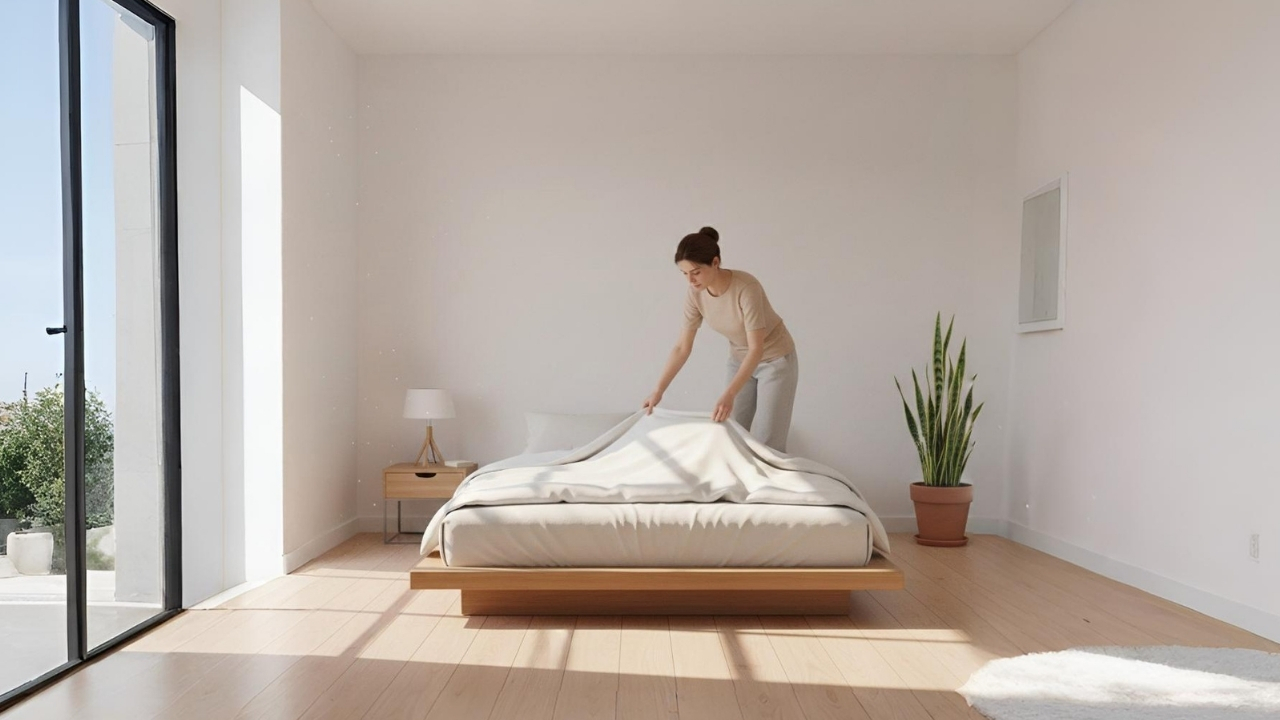
  • Make your bed
  • Do a quick dish rinse or load the dishwasher
  • Wipe kitchen counters at least once
  • Clear bathroom sink area
  • Put away clothes instead of letting them pile
  • Take out small trash bins if full

These micro-routines maintain a baseline of freshness so deep cleaning feels less daunting.

Step 6: Embrace Weekly Deep Refresh Moments

While daily habits keep things naturally tidy, weekly deep refresh sessions help your home stay clean in a more thorough, satisfying way.

Weekly Deep Refresh Ideas:

  • Vacuum and mop floors
  • Clean inside the microwave or fridge
  • Dust ceiling fans or vents
  • Scrub sinks and faucets until they shine
  • Change or wash cushion covers
  • Freshen up rugs with a shake or vacuum

Doing these once a week ensures your home stays clean without requiring hours of work at a time.

Step 7: Incorporate Seasonal Cleaning Energy

Seasonal cleaning helps you reset your home’s energy in line with the natural flow of the year. This not only keeps your home tidy but also promotes emotional clarity.

Seasonal Cleaning Themes:

  • Spring: declutter and refresh
  • Summer: lightness and openness
  • Fall: warmth and organization
  • Winter: coziness and deep cleaning

Each season gives you an opportunity to refresh your home without waiting for a massive annual clean.

Step 8: Organize With a Purpose

Organization doesn’t need to be complicated. The key is to create systems that feel natural and easy to maintain.

Simple ChillBloom organization ideas:

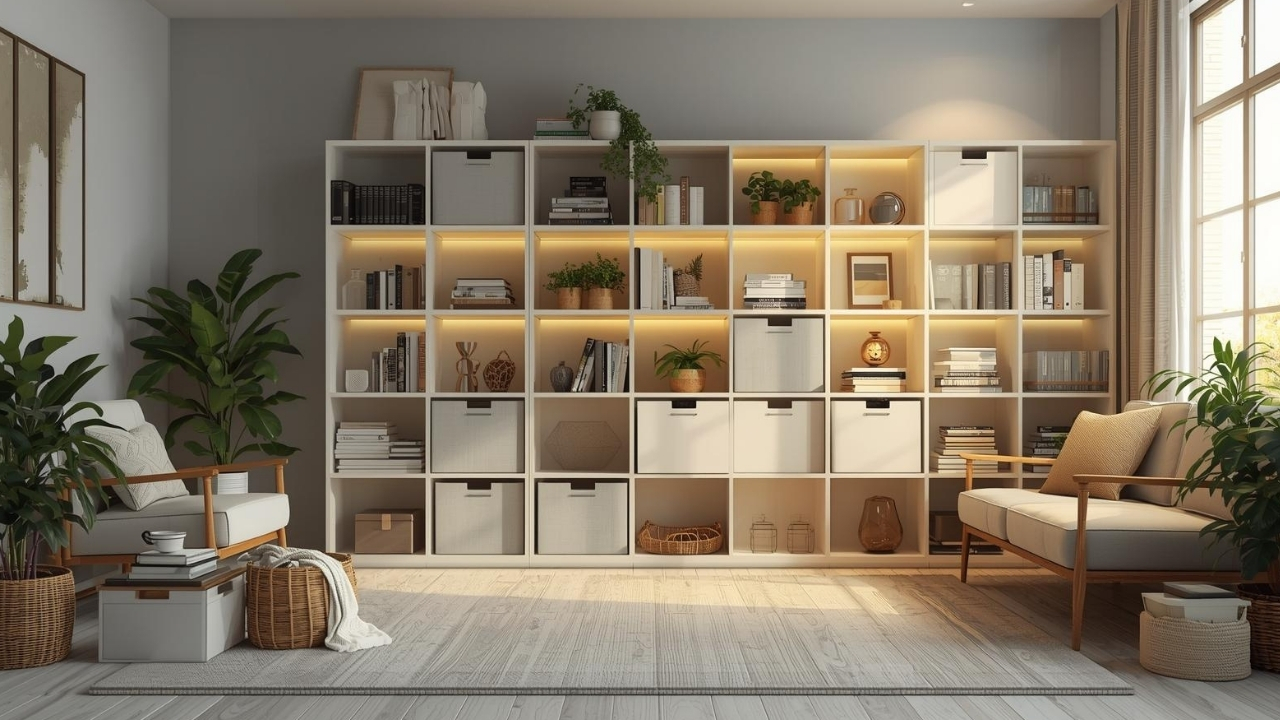
  • Use baskets for items used daily
  • Keep countertops minimal to reduce visual clutter
  • Label storage bins for clarity
  • Use drawer dividers for a clean look
  • Store frequently used items at eye level

A well-organized home contributes to emotional peace and daily efficiency.

Step 9: Pay Attention to Fabrics and Textiles

Fabrics hold smells, dust, and energy, so refreshing them makes an immediate difference in how your home feels.

Don’t forget to clean:

  • Bed linens
  • Throw blankets
  • Curtains
  • Couch cushions
  • Bath mats
  • Towels

Try using natural laundry boosters like baking soda or vinegar to keep fabrics soft and fresh.

Step 10: Create a Relaxing Finish to Your Routine

A ChillBloom cleaning session should always end with a peaceful moment that helps you transition from action to relaxation.

Finishing touches include:

  • Lighting a soft-scented candle
  • Spraying a natural room mist
  • Playing calming music
  • Making a cup of tea
  • Admiring your clean space with gratitude

This final step reinforces the positive connection between cleaning and well-being.

Building a Cleaning Routine That Works for You

The beauty of the ChillBloom routine is its flexibility. You can tailor it to your schedule, energy levels, and lifestyle. Whether you have 10 minutes a day or an hour a week, the goal is to create habits that feel supportive, not overwhelming.

Ask yourself:

  • What areas matter most to me daily?
  • Which tasks make the biggest difference?
  • What cleaning rituals feel calming rather than stressful?

Once you identify these answers, your cleaning routine becomes intuitive and enjoyable.

The Emotional Benefits of a Fresh Home

A fresh home impacts more than your environment. It influences your mental and emotional well-being.

A clean home can help you:

  • Feel more relaxed
  • Reduce stress and overwhelm
  • Sleep better
  • Think more clearly
  • Feel more motivated
  • Enjoy your space more fully

When your home flows with ease, your mind often follows.

Final Thoughts

A ChillBloom cleaning routine is all about balance, simplicity, and intention. When you approach cleaning with mindfulness rather than pressure, your home becomes a source of comfort, clarity, and joy. You don’t need to chase perfection—just small, loving actions that create the atmosphere you want to live in.

With daily resets, weekly refreshes, and seasonal energy shifts, you can maintain a nurturing and fresh home all year long. Let your cleaning routine support your well-being, uplift your environment, and bring a calm sense of order into your everyday life.

 

How Lighting Affects Your Mood at Home

Lighting is one of the most powerful yet underrated elements of home design. While we often focus on furniture, color schemes, and décor, the way we illuminate our spaces quietly shapes how we feel every day. Light influences our energy levels, our sleep patterns, and even our emotional state—often without us realizing it. From the warm glow of a bedside lamp to the crisp brightness of a kitchen light, your home’s lighting choices can either support your well-being or work against it.

Understanding how lighting affects your mood can help you create a home that not only looks good but also feels good. This guide explores how different types of lighting impact your mind and emotions and offers simple tips to use lighting more intentionally throughout your home.

Why Lighting Matters More Than You Think

Light isn’t just about visibility—it’s an emotional cue. Humans have evolved to respond to natural light cycles. Sunrise wakes us up, midday brightness boosts focus, and sunsets help us wind down. When artificial lighting disrupts these natural signals, we can feel fatigued, irritable, or mentally scattered.

Proper lighting does more than illuminate a room. It can:

  • Boost your mood and energize your mornings
  • Improve productivity and concentration
  • Reduce stress and eye strain
  • Create a calming atmosphere for rest
  • Make rooms feel bigger, warmer, or more inviting

Good lighting helps your home feel like a sanctuary. Poor lighting can make even beautifully decorated spaces feel gloomy, chaotic, or emotionally heavy.

The Emotional Effects of Different Types of Light

Lighting affects your mood in several ways—through color temperature, brightness, direction, and even the type of bulb you use.

  1. Warm Light: Cozy, Comforting, and Relaxing

Warm-toned lights (often labeled 2700K to 3000K) mimic the golden glow of sunset or firelight. This type of lighting signals to the brain that it’s time to relax.

Warm lighting is ideal for:

  • Living rooms
  • Bedrooms
  • Dining areas
  • Reading nooks

It makes spaces feel intimate and soothing—perfect for winding down after a long day. That’s why restaurants use warm lighting to create a relaxing, inviting atmosphere.

  1. Cool Light: Energizing and Focus-Boosting

Cool light (4000K to 5000K) resembles daylight and helps your brain stay alert. It enhances clarity and reduces shadows, making it great for any task that requires focus.

Cool lighting works best in:

  • Home offices
  • Kitchens
  • Laundry rooms
  • Garages
  • Craft areas

Too much cool light at night, however, can disrupt sleep and make it harder to relax.

  1. Natural Light: The Ultimate Mood Booster

No artificial lighting can match the benefits of natural daylight. Exposure to natural light helps regulate your circadian rhythm, improves mood, and increases vitamin D levels. Homes with abundant natural light feel open, refreshing, and emotionally uplifting.

If your home lacks natural light, don’t worry—you can mimic its effects with full-spectrum bulbs and reflective surfaces.

How Lighting Influences Different Moods

Lighting and Energy Levels

Bright, cool lighting increases alertness and energy by signaling to your brain that it’s daytime. This kind of lighting is essential for productivity, making it a must in workspaces.

Conversely, dim lighting can encourage relaxation—and sometimes too much. If your entire home is dimly lit all day, you may feel unusually tired, unmotivated, or sluggish.

Lighting and Stress Reduction

Soft, warm lighting naturally lowers stress levels. It encourages relaxation and helps you mentally separate the end of the day from the busyness of your daily routine.

Harsh lighting, especially fluorescent lighting, can increase stress, headaches, and irritability. When lighting feels too bright or too cold for the time of day, it can create an uneasy atmosphere.

Lighting and Happiness

Spaces filled with natural light often feel cheerful and uplifting. Studies consistently show that sunlight increases serotonin levels—the hormone responsible for feelings of happiness.

Rooms with inadequate lighting, especially dark or shadowy spaces, can sometimes contribute to low mood or feelings of heaviness. Increasing brightness in these rooms can instantly lift the energy and create a more positive environment.

Lighting and Sleep Quality

This is one of the most important connections. Bright or cool-toned lighting in the evening can suppress melatonin production, making it harder to fall asleep.

Warm, soft light—especially in the hours before bedtime—helps signal to your brain that it’s time to slow down.

How Lighting Shapes the Atmosphere of Each Room

Every room in your home serves a different purpose, so each one needs lighting that supports the activities happening there.

Living Room: Warm, Layered, and Cozy

A living room benefits from layered lighting, which includes a combination of:

  • Overhead lights
  • Lamps
  • Sconces
  • Accent lights

Using warm bulbs makes the room feel inviting and calm. Adding dimmers allows you to create a movie-night vibe or brighten the room for hosting guests.

Kitchen: Bright and Functional

The kitchen needs focused, bright lighting for safety and visibility. Cool or neutral-toned bulbs can make meal prep easier and help you stay alert while cooking.

Under-cabinet lights are especially helpful for illuminating countertops.

Bedroom: Soft and Sleep-Friendly

Bedrooms should prioritize relaxation. Avoid bright overhead lights at night and opt for bedside lamps with warm tones. String lights, salt lamps, or small table lamps can create an atmosphere perfect for unwinding.

Bathroom: Balanced and Flattering

Bathrooms require both functionality and softness. Neutral or slightly warm lighting around mirrors helps avoid harsh shadows. Overly cool lighting can feel clinical and uninviting.

Home Office: Bright, Clear, and Focused

To maintain productivity, your office should use cooler lighting that mimics daylight. Desk lamps with adjustable brightness can reduce eye strain and help maintain concentration.

Tips to Improve Your Home Lighting for Better Mood

You don’t need a full renovation to transform your home’s lighting. Simple, budget-friendly changes can make a huge difference.

  1. Add Dimmers Everywhere Possible

Dimmers allow you to adjust lighting based on the time of day and your emotional needs. Brighter during the morning, softer at night.

  1. Use Layered Lighting

Instead of relying on a single overhead light, combine multiple sources:

  • Table lamps
  • Floor lamps
  • Wall sconces
  • Under-cabinet lighting
  • Accent lights

Layered lighting creates depth and makes rooms feel more comfortable.

  1. Choose Warmer Light for Evenings

Switch to warm-toned bulbs in areas where you relax. It’s an easy way to support better sleep and reduce stress after sunset.

  1. Increase Natural Light

If possible, let more sunlight into your home:

  • Keep curtains open
  • Use sheer drapes
  • Add mirrors to reflect natural light
  • Position furniture to face windows

Even 30 minutes of extra natural light can elevate your mood.

  1. Declutter Light Sources

Dusty lampshades or cluttered surfaces can make lighting feel dim or uneven. Clean bulbs and shades regularly to maintain brightness.

  1. Use Smart Bulbs

Smart bulbs allow you to control brightness and color temperature through your phone. They’re perfect for creating the right atmosphere at the right time.

Final Thoughts

Lighting plays a deeper role in emotional well-being than many people realize. It influences how we feel, how well we sleep, and how we function throughout the day. By choosing the right lighting for each room and being mindful of how brightness and color temperature affect your mood, you can create a home environment that feels peaceful, energizing, and comforting.

Your home should nurture your mind and body, and lighting is one of the easiest tools to help you achieve that. With a few thoughtful adjustments, your home can become a sanctuary where you feel balanced, inspired, and truly at ease.


Creative Ways to Organize Small Spaces

Living in a small space can be both a blessing and a challenge. On one hand, small rooms encourage mindful living and intentional design. They’re easier to clean, quicker to rearrange, and often feel cozier than larger homes. On the other hand, small spaces can easily become cluttered, cramped, or chaotic when not organized intentionally. The good news? With a little creativity, even the tiniest nook can become functional, stylish, and surprisingly spacious.

Whether you’re living in a studio apartment, a compact bedroom, a small home office, or simply want to maximize areas that feel cramped, this guide offers clever and practical ideas to help you make the most of every square inch. These strategies are simple, effective, and budget-friendly—perfect for turning small spaces into smart, well-organized sanctuaries.

Start With a Declutter Mindset

Before diving into organizing, the first step is always to declutter. Small spaces magnify clutter, making the area feel tight and overwhelming.

Ask yourself:

  • Do I use this regularly?
  • Does this item have a purpose or bring joy?
  • Can I donate, sell, or recycle it?

The less you have to organize, the easier it becomes to create a harmonious space.

Tip 1: Think Vertically—Your Walls Are Untapped Storage

When floor space is limited, go upward. Walls offer some of the best opportunities for storage without crowding a room.

Creative vertical storage ideas:

  • Install floating shelves for books, décor, or baskets.
  • Use tall, narrow shelving units instead of wide, bulky ones.
  • Hang pegboards in kitchens, bedrooms, or craft areas for customizable storage.
  • Mount hooks for coats, bags, hats, and accessories.
  • Add wall-mounted magazine racks to organize mail or paperwork.

Vertical storage keeps essentials accessible without sacrificing valuable floor area.

Tip 2: Use Multi-Purpose Furniture

In small spaces, every piece of furniture should “earn” its place. Instead of using items with single functions, look for multi-functional alternatives.

Smart multi-purpose pieces include:

  • A storage ottoman that doubles as seating and hides blankets or board games.
  • A bed with drawers underneath or a lift-up mattress.
  • Nesting tables that expand when needed and tuck away when not.
  • A sofa bed for multi-use living rooms or guest areas.
  • A bench with shoe storage built inside.

These pieces reduce clutter while increasing functionality.

Tip 3: Maximize Under-Used Spaces

Some of the best storage spots are the ones we don’t think about.

Look for hidden opportunities such as:

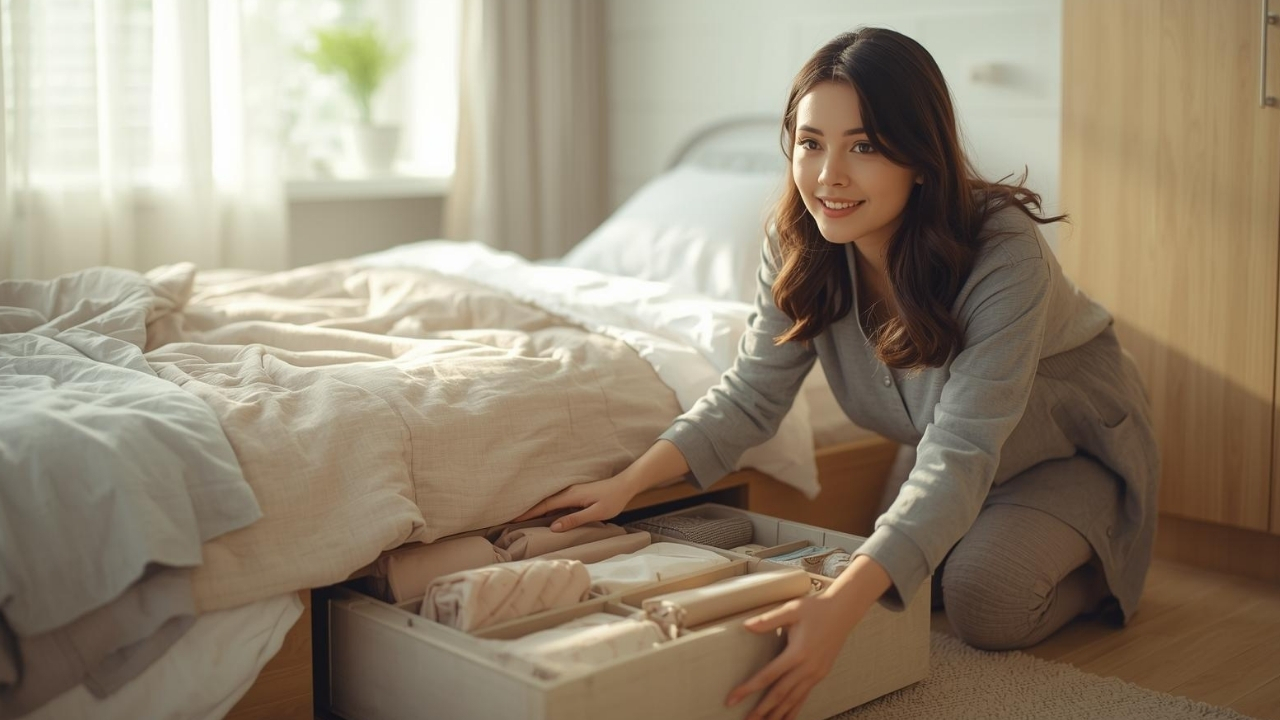
  • The space under your bed
  • The gap above kitchen cabinets
  • The back of doors
  • Corners that feel too narrow for furniture
  • Empty spaces under a staircase

You can use baskets, bins, rolling carts, or custom shelves to make these areas incredibly efficient.

Tip 4: Use Clear Containers for Easy Visibility

Nothing wastes time like digging through opaque boxes to find a single item. Clear containers offer instant visibility and prevent small spaces from becoming disorganized again.

Where clear containers work best:

  • Bathroom cabinets
  • Kitchen pantries
  • Craft supplies
  • Closets and drawers
  • Kids’ toy areas

Label the containers for an added layer of clarity.

Tip 5: Embrace Foldable and Collapsible Items

Foldable storage solutions are lifesavers in tiny homes. When not in use, these items take up minimal space.

Popular collapsible options include:

  • Foldable laundry baskets
  • Collapsible stools
  • Foldable wall desks
  • Soft storage cubes
  • Pop-up bins

They’re affordable, convenient, and perfect for apartments with limited storage.

Tip 6: Create Zones Within a Room

Small spaces benefit from clear organization zones. Defining areas for different activities makes even one-room living feel structured and spacious.

Examples of effective zoning:

  • A small rug to designate a reading corner
  • A narrow console table to define an entryway
  • A curtain or standing shelf to separate the bedroom area in a studio
  • A mini office nook using a wall-mounted desk

Zoning creates a sense of flow and reduces visual clutter.

Tip 7: Use Over-the-Door Storage Solutions

Doors are often overlooked organizers. Over-the-door racks, pockets, and hooks can transform this forgotten space into a valuable storage asset.

You can store items like:

  • Shoes
  • Hair tools
  • Cleaning supplies
  • Snacks and spices
  • Jewelry and accessories
  • Office stationery

These solutions keep things tidy without taking up any extra room.

Tip 8: Opt for Light Colors and Simple Patterns

While this tip focuses more on visual organization, it’s just as important as physical storage. Light colors make small rooms feel more spacious and open.

Try incorporating:

  • Light-colored furniture
  • Neutral wall paint
  • Simple, airy patterns
  • Minimalist décor pieces

Clear, open visuals prevent the space from feeling cramped.

Tip 9: Use Furniture With Legs

Furniture lifted off the floor—on legs rather than flat to the ground—creates an illusion of openness. When you can see underneath, a room instantly feels less crowded.

Consider choosing sofas, beds, tables, and cabinets with visible legs. It adds to the airy, organized look you’re aiming for.

Tip 10: Choose Sliding Doors Instead of Swing Doors

Swing doors require space to open, which is not ideal in small rooms. Sliding doors, whether for closets or bathrooms, save space and add a modern touch.

If remodeling isn’t an option, even replacing cabinet swing doors with sliding ones can make a big difference.

Tip 11: Keep Flat Surfaces Clutter-Free

In small rooms, clutter on countertops and tables is magnified. Try to keep surfaces like nightstands, kitchen counters, coffee tables, and dressers clear.

Some helpful habits include:

  • Using trays to group small items
  • Establishing a daily “reset time” to tidy surfaces
  • Using wall-mounted alternatives for things normally left on tables
  • Storing items immediately after use

Clear surfaces help the entire room feel organized instantly.

Tip 12: Add Mirrors to Expand the Space

Mirrors visually double a room by reflecting light and depth. They’re one of the easiest ways to make small spaces feel bigger without structural changes.

Best places for mirrors:

  • Across from windows
  • In narrow hallways
  • Above entryway consoles
  • On closet doors

Large mirrors can also serve as decorative pieces that enhance the room’s style.

Tip 13: Store Items by Frequency of Use

Not everything should be stored in the same place. Items you reach for every day should be easily accessible, while rarely used items can go in higher or lower spaces.

For example:

  • Everyday mugs → lower kitchen cabinet
  • Seasonal décor → top shelf or under-bed bin
  • Daily makeup → eye-level organizer
  • Extra linens → high closet shelf

Organizing by frequency keeps your home functional and efficient.

Tip 14: Create a “Home” for Everything

Small spaces require intentional placement. Every item—from keys to remote controls—should have a designated home.

This helps:

  • Reduce clutter
  • Prevent lost items
  • Make cleaning easier
  • Improve daily routines

If something constantly ends up out of place, it probably needs a designated storage spot.

Tip 15: Consider Transparent or Open Shelving

Open shelving makes items easily accessible and encourages you to stay neat. It works beautifully in kitchens, bathrooms, and small living rooms.

Tips for styling open shelves:

  • Combine decorative and functional pieces
  • Use baskets for small items
  • Avoid overcrowding
  • Stick to a simple color palette

Open shelves can elevate a small space while keeping essentials handy.

Final Thoughts

Organizing a small space isn’t about having less—it’s about using what you have more efficiently. With a blend of creativity, smart storage solutions, and intentional design, even the tiniest rooms can feel open, functional, and inviting.

By thinking vertically, choosing multi-purpose furniture, creating zones, and making use of hidden spaces, you transform cramped corners into clever storage opportunities. When every item has a home and visual clutter is minimized, your space becomes calmer, easier to maintain, and genuinely enjoyable to live in.

Remember, small spaces thrive when simplicity meets creativity. Start with one corner, one drawer, or one shelf, and you’ll be amazed at the transformation that follows.


Minimalist Living Tips for a Simple Lifestyle

Minimalism isn’t about getting rid of everything you own or living in a bare, empty room. Instead, it’s about creating space—physically, mentally, and emotionally—for what genuinely matters. In a world filled with constant distractions, overflowing closets, and endless to-do lists, adopting a minimalist approach can feel like a breath of fresh air. It offers clarity, calmness, and a slower, more intentional way of living.

Minimalism looks different for everyone. For some, it means decluttering their entire home. For others, it’s about simplifying schedules, reducing digital noise, or letting go of obligations that drain their energy. Regardless of your starting point, embracing minimalism will help you shift your focus from excess to essentials, giving you more freedom to enjoy life deeply and meaningfully.

In this guide, you’ll find practical ChillBloom-inspired tips for adopting a minimalist lifestyle—one small, manageable step at a time.

Understanding What Minimalism Really Is

Before diving into specific tips, it’s important to understand what minimalism truly means.

Minimalism is about intentionality. It’s choosing what adds value and letting go of what doesn’t. It’s the process of removing unnecessary distractions so you can focus on your goals, relationships, and well-being.

Minimalism is not:

  • Throwing away everything
  • Living in an all-white space
  • Restricting yourself to a rigid set of rules
  • Feeling guilty about owning things

Instead, it’s a mindset that encourages balance, appreciation, and presence.

Start with Why: Your Minimalist Purpose

Every minimalist journey begins with a clear reason. Asking “Why do I want to simplify my life?” gives your actions direction.

Common reasons include:

  • Reducing stress
  • Creating more free time
  • Saving money
  • Feeling less overwhelmed
  • Improving mental clarity
  • Making your home easier to maintain

When you know your “why,” the process becomes more meaningful—and easier to stick to.

Tip 1: Begin with Small Decluttering Goals

Decluttering your home doesn’t happen overnight. Instead of emptying your entire house, start small.

Ideas to get started:

  • Declutter one drawer
  • Organize one shelf
  • Clear off one flat surface
  • Sort through your bag or wallet
  • Purge expired items in your fridge

Choose an area that feels manageable. Success in small spaces builds momentum and confidence.

Use the One-Month Rule

If you haven’t used an item in the last month—and can’t see yourself using it in the next month—consider letting it go.

Tip 2: Simplify Room by Room

Trying to simplify your whole home at once is overwhelming. Instead, break it down.

The ChillBloom approach: one room at a time

Living Room

  • Reduce décor to what you love
  • Clear surfaces
  • Keep blankets and pillows intentional rather than excessive

Bedroom

  • Keep only what supports rest
  • Remove unnecessary electronics
  • Minimize clothing on the floor or chairs

Kitchen

  • Keep counters clear
  • Donate duplicate utensils
  • Store only food you’ll realistically use

Bathroom

  • Toss expired products
  • Keep daily essentials visible
  • Store backups neatly

A simplified home feels calmer and easier to maintain.

Tip 3: Adopt the “One In, One Out” Method

To prevent clutter from returning, use a simple rule: for every new item you bring into your home, remove one item.

Examples:

  • Buy a new shirt → donate an old one
  • Purchase a new mug → recycle or donate another
  • Add a book to your shelf → give one away

This keeps your space balanced and encourages mindful buying.

Tip 4: Choose Quality Over Quantity

Minimalists focus on owning fewer things—but better ones. Quality items last longer, perform better, and reduce waste.

How to shift your mindset:

  • Invest in durable pieces instead of fast-fashion
  • Choose multi-purpose items
  • Avoid impulse purchases
  • Ask yourself, “Will this still be valuable to me in a year?”

When your belongings serve you well, you naturally need fewer of them.

Tip 5: Create a Capsule Wardrobe

A capsule wardrobe is a small collection of essential clothing pieces you love and wear often. It simplifies getting ready, reduces decision fatigue, and keeps your closet tidy.

How to build one:

  • Start with neutral basics
  • Add a few statement pieces
  • Focus on fit and comfort
  • Choose versatile items you can mix and match

Your wardrobe becomes intentional rather than overwhelming.

Tip 6: Simplify Your Digital Life

Minimalism isn’t just physical—it’s digital too. Many people feel mentally cluttered because of their online habits.

Practical steps for digital clarity:

  • Unsubscribe from unnecessary emails
  • Delete unused apps
  • Organize files into clear folders
  • Turn off non-essential notifications
  • Set screen-free times

You’ll feel more present and less mentally scattered.

Tip 7: Streamline Your Schedule

A simple lifestyle includes a simple calendar. Many of us fill our weeks with obligations out of habit, not necessity.

Ask yourself:

  • Which activities bring joy or value?
  • Which commitments drain my energy?
  • What can I delegate or decline?

Leave room for rest, hobbies, and unplanned moments. You don’t need a full schedule to live a full life.

Tip 8: Focus on Mindful Consumption

Minimalism encourages you to be more conscious about what you bring into your life.

Before buying anything, ask:

  • Do I truly need this?
  • Will this improve my life in a meaningful way?
  • Am I buying out of boredom or emotion?
  • Do I already own something similar?

Thoughtful consumption is key to long-term simplicity.

Tip 9: Reduce Visual Clutter

Even if your space is clean, too many items can feel chaotic visually. Minimalism often improves how a room feels, not just how it looks.

Ways to reduce visual noise:

  • Keep surfaces clear
  • Store items behind doors or in baskets
  • Choose simple décor pieces
  • Limit the number of colors in a room

Visual simplicity creates mental calm.

Tip 10: Practice Gratitude for What You Have

Minimalism and gratitude go hand in hand. When you appreciate what you already own, you feel less pressure to seek more.

Try these practices:

  • Write a daily gratitude list
  • Reflect on how your belongings serve you
  • Notice moments of joy from simple experiences

Gratitude helps you find contentment in less.

Tip 11: Embrace Slow Living

Minimalism naturally leads to a slower, more intentional lifestyle. Instead of rushing, multitasking, or chasing constant productivity, slow living encourages presence.

Examples:

  • Eat without distractions
  • Enjoy your morning routine instead of rushing
  • Spend time outdoors
  • Be fully present in conversations

Slowing down lets you enjoy life more deeply.

Tip 12: Create Meaningful Rituals

Minimalist living is not about restriction—it’s about creating space for what matters. Rituals add grounding and joy to your days.

Try:

  • A morning tea ritual
  • Evening journaling
  • Weekly home reset sessions
  • Sunday meal prep

These routines add structure without stress.

Tip 13: Let Go of Guilt Around Letting Things Go

Many people struggle to declutter because they feel guilty—especially about gifts, sentimental items, or expensive purchases.

But here’s the truth:
Your peace is more important than the item.

Letting go doesn’t erase a memory, and it doesn’t disrespect a gift. It simply creates space for your present life.

Final Thoughts

Minimalist living isn’t about having less—it’s about making room for more: more clarity, more intention, more peace, and more joy. By taking small steps like decluttering gradually, simplifying your wardrobe, reducing digital noise, and prioritizing meaningful experiences, you can transform your life into one that feels lighter, calmer, and more aligned with your values.

Minimalism is a journey, not a destination. Start small, stay mindful, and let your “why” guide the way. As you embrace a simpler lifestyle, you’ll discover that living with less doesn’t mean losing anything—it often means gaining everything that truly matters.


How to Make Your Home Smell Fresh Naturally

A fresh-smelling home instantly feels inviting, cozy, and calming. It sets the tone for your day, boosts your mood, and makes your living space a place you genuinely want to spend time in. But many commercial air fresheners are packed with artificial fragrances and chemicals that can irritate sensitive noses or simply feel overwhelming. The good news? You don’t need synthetic sprays or heavily scented candles to make your home smell amazing. Nature offers countless gentle, safe, and effective ways to keep your home smelling clean, bright, and refreshing.

In this ChillBloom-inspired guide, you’ll learn practical, natural methods for eliminating odors, making your own scents, and maintaining a consistently fresh environment. These tips are beginner-friendly, budget-friendly, and perfect for anyone who prefers a more mindful, natural lifestyle.

Why Natural Freshening Methods Are Better

Before diving into the techniques, it’s helpful to understand why natural methods are such a great option.

  1. They Are Safer for Your Health

Many store-bought fragrances contain synthetic chemicals that can trigger allergies, headaches, or respiratory irritation. Natural ingredients like essential oils, herbs, and citrus are gentler and less likely to cause discomfort.

  1. They Are Eco-Friendly

Natural methods reduce the chemical load in your home and help minimize waste from single-use sprays or plastic containers.

  1. They Are Customizable

You can adjust scents, strengths, and blends to match your mood—something store-bought options can’t offer.

  1. They Create a Calm Atmosphere

Natural aromas tend to be softer and more relaxing, helping your home feel grounding rather than overwhelming.

Start With a Clean Slate: Remove Odors at the Source

The first step to a fresh-smelling home isn’t adding scents—it’s eliminating odor sources.

  1. Empty Trash Regularly

Even small trash bins can quickly collect smells. Add a drop of essential oil to the bottom of the bin before replacing the bag for a refreshing boost.

  1. Clean the Refrigerator Frequently

Spoiled food is a common hidden odor culprit. Wipe down shelves with a mixture of warm water and baking soda for a clean, neutral smell.

  1. Wash Fabrics Often

Curtains, throw blankets, and pillow covers absorb odors over time. Freshen them up every few weeks.

  1. Keep Drains Fresh

Pouring a mix of hot water, baking soda, and vinegar into drains can eliminate buildup and foul smells.

  1. Let Fresh Air In

Opening windows for even 10 minutes a day can significantly improve air quality and reduce stagnant odors.

With these basics in place, your natural fragrance methods will work more effectively and last longer.

Natural Ingredients That Keep Your Home Smelling Fresh

You don’t need a shelf full of products—just a few simple natural ingredients can do wonders.

  1. Citrus Fruits

Oranges, lemons, and limes add brightness that instantly lifts the mood of a room.

How to use:

  • Simmer sliced citrus with cinnamon sticks
  • Place lemon peels in the garbage disposal
  • Add orange peels to a potpourri bowl
  1. Essential Oils

These concentrated plant extracts are powerful and long-lasting.

Best oils for freshness:

  • Lavender
  • Lemon
  • Peppermint
  • Eucalyptus
  • Grapefruit
  1. Herbs

Fresh herbs add a subtle, earthy scent that feels clean and comforting.

Try:

  • Rosemary
  • Mint
  • Basil
  • Thyme
  1. Baking Soda

A natural odor absorber perfect for kitchens, bathrooms, and fabric surfaces.

  1. Vinegar

While it has a strong smell at first, it quickly fades and neutralizes stubborn odors.

Make Your Own Natural Home Fresheners

Creating your own home fragrances is fun, cost-effective, and completely customizable. Here are some easy DIY methods to try.

  1. DIY Simmer Pot Scents

Simmer pots are one of the simplest ways to make your entire home smell incredible.

How to make one:

  1. Fill a pot with water
  2. Add your chosen ingredients
  3. Simmer on low heat
  4. Refill with water as needed

Great simmer mix ideas:

  • Lemon slices + rosemary + vanilla extract
  • Orange peels + cinnamon sticks + cloves
  • Grapefruit + mint leaves
  • Apple slices + nutmeg + ginger

These scents flow throughout your home and feel warm, natural, and comforting.

  1. Homemade Essential Oil Spray

A natural room spray freshens up any area instantly without the chemicals found in aerosol products.

Recipe:

  • 1 cup distilled water
  • 1 tablespoon witch hazel or vodka (helps the scent disperse)
  • 15–20 drops essential oil

Mix in a spray bottle, shake well, and spritz around your home. Try blends like:

  • Lavender + bergamot for relaxation
  • Lemon + mint for energy
  • Eucalyptus + tea tree for a clean spa-like feel
  1. Baking Soda Odor Absorbers

These are perfect for closets, refrigerators, bathrooms, and laundry rooms.

How to make one:

  1. Fill a jar halfway with baking soda
  2. Add 10–15 drops of essential oil
  3. Cover the jar with breathable fabric
  4. Secure with a rubber band

Replace the baking soda every 1–2 months.

  1. Natural Reed Diffusers

Skip store-bought diffusers and make your own using gentle, natural ingredients.

You’ll need:

  • A small glass jar
  • Bamboo skewers
  • ¼ cup light carrier oil (like almond or safflower oil)
  • 20–30 drops essential oil

Place the sticks inside the jar and flip them every few days. The aroma is soft but steady.

  1. Herbal Sachets

Great for drawers, linen closets, or under pillows.

Fill small cloth bags with:

  • Dried lavender
  • Dried rose petals
  • Chamomile
  • Cedar chips

They keep fabrics smelling fresh without any artificial fragrances.

Room-by-Room Tips to Keep Your Home Naturally Fresh

Different areas of the home have different scent needs. Here’s how to freshen each one.

Living Room

This is often the most used space, so aim for a clean, subtle scent.

Try:

  • A small diffuser on a side table
  • A simmer pot in the kitchen to drift into the room
  • Fresh eucalyptus branches in a vase
  • Plush blankets washed with natural detergent

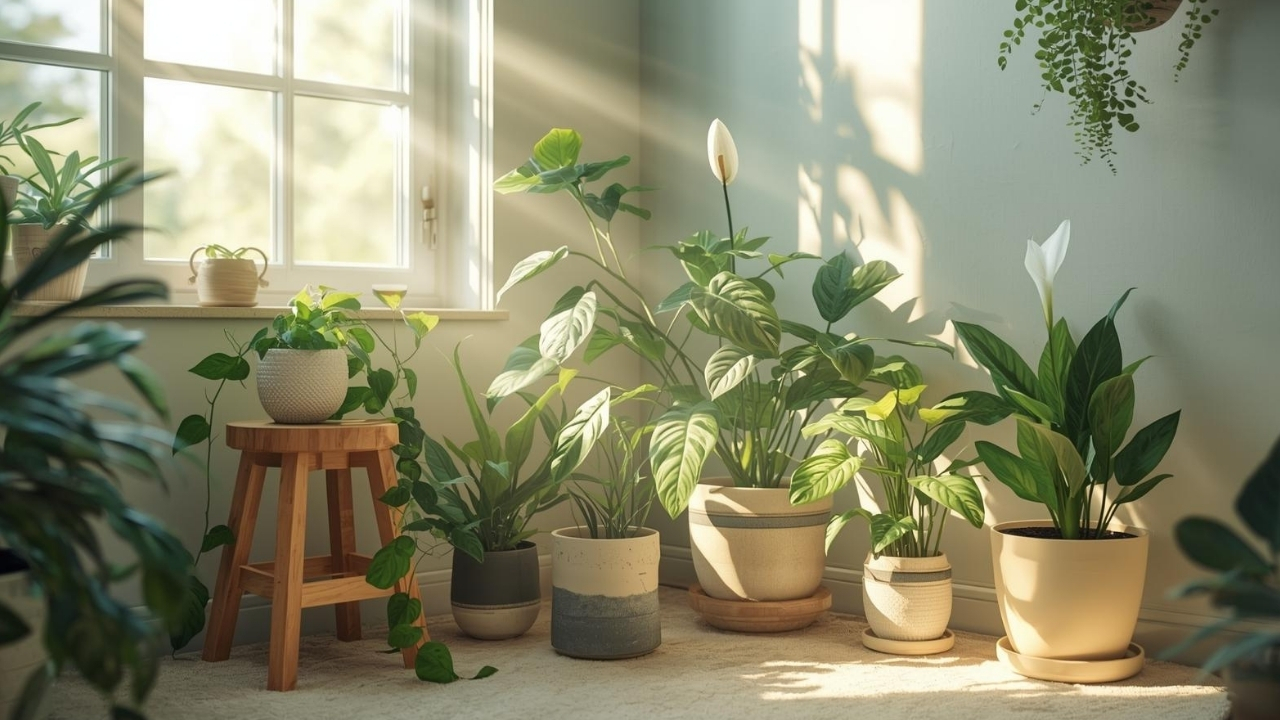
A few houseplants—like snake plants or peace lilies—also help purify the air.

Kitchen

The kitchen collects strong smells from cooking, trash, and sinks. Neutralizing these odors makes your whole home feel fresher.

Tips:

  • Simmer lemon slices after cooking
  • Sprinkle baking soda in the trash can
  • Run vinegar through the dishwasher
  • Place a bowl of coffee grounds on the counter (absorbs odors effectively)

Bathroom

You want a crisp, clean scent here without overwhelming fragrance.

Use:

  • Eucalyptus bundles hung near the showerhead
  • Tea tree or peppermint spray
  • Baking soda in a jar under the sink
  • A small jar of dried lavender

Keep the bathroom ventilated by leaving the door open when possible.

Bedroom

Your bedroom should feel restful and calming, not overly perfumed.

Great natural scents include:

  • Lavender
  • Chamomile
  • Sandalwood
  • Vanilla

Try misting your pillow lightly or keeping a sachet in your nightstand.

Entryway

First impressions matter, and the entryway sets the tone for your entire home.

Try:

  • A citrus essential oil diffuser
  • A bowl of fresh potpourri
  • A naturally scented candle made with soy or beeswax

Even keeping shoes organized can dramatically improve freshness.

Long-Term Habits That Keep Your Home Fresh Naturally

A consistently fresh home doesn’t rely on one-time fixes—it’s built on simple habits.

  1. Air out rooms daily

Even in winter, opening windows briefly helps.

  1. Wash bedding weekly

Fresh sheets instantly refresh the whole bedroom.

  1. Avoid clutter

Clutter traps dust and holds odors.

  1. Keep plants

They purify and brighten your space.

  1. Wipe down surfaces

Natural cleaners with vinegar or lemon make the home smell clean without chemicals.

Final Thoughts

A home that smells fresh doesn’t require artificial fragrances or expensive products. With natural ingredients like herbs, essential oils, citrus, and baking soda, you can create comforting scents that are gentle, safe, and beautifully inviting. Whether you choose a herbal sachet, a simmer pot, or a homemade spray, each method adds a touch of nature to your space.

By adopting simple cleaning habits, experimenting with natural fragrances, and refreshing each room with mindful touches, your home can become a soothing, welcoming sanctuary. A fresh-smelling home isn’t just about aroma—it’s about creating a peaceful environment that supports relaxation, clarity, and everyday comfort.


ChillBloom Guide to Indoor Plants for Beginners

Bringing indoor plants into your home is one of the simplest and most rewarding ways to improve your living space. They add beauty, freshen the air, and create a peaceful atmosphere that makes any room feel more alive. Yet for many beginners, the idea of caring for plants can feel intimidating. You may wonder which plants are easiest to manage, how much sunlight they need, or how often you should water them. The good news? Indoor plants don’t have to be complicated. With the right approach, anyone can build a thriving indoor jungle—even if you’ve never kept a plant alive before.

In this ChillBloom guide, we’ll walk you through beginner-friendly plant options, essential care basics, and simple tips that will help your plants stay healthy and vibrant. Whether you’re starting with one small plant on your desk or envisioning a lush green corner in your home, this guide will give you the confidence to begin your plant-care journey.

Why Indoor Plants Are Worth Having

Before diving into the practical steps, it’s helpful to understand why indoor plants are such a great addition to your lifestyle.

  1. They Improve Your Mood

Plants create a calming presence. The simple act of watering or checking on them becomes a relaxing daily ritual.

  1. They Freshen and Purify the Air

Many indoor plants help filter indoor toxins and add oxygen, making your home environment feel fresher and cleaner.

  1. They Boost Productivity

Studies have shown that indoor plants can improve focus and creativity—perfect for desks, home offices, and study areas.

  1. They Add Style to Your Space

Plants complement almost every décor style. A leafy pothos or a sculptural snake plant instantly adds character to any room.

  1. They Teach Patience and Mindfulness

Caring for plants encourages you to slow down, observe, and be intentional—a form of everyday mindfulness.

Best Indoor Plants for Absolute Beginners

If you’re new to plant care, starting with easy, forgiving plants will set you up for success. Here are the top beginner-friendly houseplants that thrive even with minimal attention.

  1. Pothos (Epipremnum aureum)

Pothos is practically indestructible. Its trailing vines look beautiful on shelves or hanging baskets, and it grows quickly.

Why beginners love it:

  • Tolerates low light
  • Bounces back from underwatering
  • Easy to propagate
  1. Snake Plant (Sansevieria)

Also known as the “mother-in-law’s tongue,” this plant has tall, striking leaves that make a stylish statement.

Benefits:

  • Survives forgetful watering habits
  • Thrives in both bright and dim spaces
  • Very low maintenance
  1. ZZ Plant (Zamioculcas zamiifolia)

ZZ plants are glossy, tough, and nearly impossible to kill.

Perfect for beginners because:

  • Requires infrequent watering
  • Handles low-light corners
  • Looks polished and elegant
  1. Peace Lily (Spathiphyllum)

Peace lilies are known for their graceful white blooms and air-purifying qualities.

Pros:

  • Tells you when it needs water by slightly drooping
  • Grows well in medium to low light
  • Adds a calming, lush vibe
  1. Spider Plant (Chlorophytum comosum)

Spider plants have long arching leaves and produce cute baby plantlets.

Why it’s a great starter plant:

  • Easy to grow and propagate
  • Non-toxic to pets
  • Loves indirect sunlight
  1. Philodendron

Another great trailing plant that’s extremely forgiving.

Beginner perks:

  • Thrives in indirect light
  • Needs minimal care
  • Comes in many leaf shapes and colors
  1. Aloe Vera

Aloe is not only stylish but also practical—its leaves contain soothing gel traditionally used for burns and skin irritation.

Beginner-friendly features:

  • Loves bright, sunny windows
  • Requires little watering
  • Very long-lasting

These plants give you a strong start and allow you to practice the basics of plant care without feeling overwhelmed.

Understanding Light: The Most Important Plant Requirement

One of the biggest mistakes beginners make is putting plants in the wrong lighting conditions. Before bringing a plant home, observe your space.

Types of Indoor Light

  • Bright, direct light: Lots of sun—usually in front of a south- or west-facing window
  • Bright, indirect light: Sunlight nearby but not directly hitting the leaves
  • Medium light: A bright room a few feet away from windows
  • Low light: Areas far from natural windows or spaces with mostly artificial lighting

Plant Light Tips

  • Most beginner plants thrive in bright, indirect light.
  • Direct sun can scorch delicate leaves.
  • If your plant leans toward the window, rotate it weekly for even growth.
  • If your room is dim, choose low-light plants like ZZ plants or snake plants.

Light matters more than almost anything else in plant care, so choosing the right spot can make plant maintenance effortless.

Watering Your Plants the Right Way

Watering is where many beginners struggle—sometimes giving too much, sometimes too little. The secret? Most plants prefer a balance.

General Watering Guidelines

  • Stick your finger 1–2 inches into the soil. If it feels dry, it’s time to water.
  • Water thoroughly until liquid drains out the bottom of the pot.
  • Empty the drainage tray—never let your plant sit in standing water.
  • Reduce watering in winter when plants grow more slowly.

Signs of Overwatering

  • Yellowing leaves
  • Mushy stems
  • Constantly damp soil

Signs of Underwatering

  • Dry, crispy leaf edges
  • Drooping or wilting
  • Soil pulling away from the pot’s edges

After a few weeks of observation, you’ll naturally learn your plants’ schedules.

Choosing the Right Pot and Soil

Your plant’s container and soil can completely change how well it grows.

Pot Tips

  • Always use pots with drainage holes.
  • Terracotta pots are great for beginners because they dry quickly and prevent root rot.
  • Decorative pots can be used as “caches”—just place the plastic grow pot inside.

Soil Tips

  • Use a high-quality indoor potting mix.
  • Avoid outdoor soil—it’s too dense and may contain pests.
  • For succulents, use a fast-draining cactus mix.

Healthy roots lead to healthy leaves, so don’t underestimate the importance of good soil and proper drainage.

Simple Ways to Keep Your Plants Thriving

Once your plants are settled, a few simple habits will help them stay healthy and thriving.

  1. Dust the Leaves

Dust can block sunlight and slow growth. Wipe leaves with a damp cloth every few weeks.

  1. Trim Dead Leaves

Brown or yellow leaves happen naturally. Trim them to help the plant focus its energy on new growth.

  1. Rotate Your Plants

Turning your pot every 7–10 days promotes even growth and prevents leaning.

  1. Don’t Over-Fertilize

Beginner plants don’t need much feeding. A gentle fertilizer once a month during spring and summer is enough.

  1. Watch for Pests

Check the undersides of leaves for tiny pests like spider mites or aphids. Early detection makes treatment easy.

Creating Your First Indoor Plant Setup

A beginner-friendly plant display doesn’t need to be expensive or complicated. Here are simple ways to style your new green companions:

Window Sill Garden

Place small plants like succulents, aloe, and spider plants on a sunny windowsill for a bright, cheerful display.

Trailing Shelf Plants

Let pothos and philodendron vines cascade from shelves, giving your room a lush, organic feel.

Corner Green Sanctuary

Put a tall snake plant or ZZ plant in an empty corner to bring life into unused spaces.

Desk Companion Plant

A small peace lily or pothos adds positivity and calmness to your work environment.

Start small—you can always expand your indoor garden as your confidence grows.

Final Thoughts

Indoor plants are a wonderful way to add life, color, and serenity to your home. You don’t need a green thumb to get started—just a willingness to observe, learn, and experiment. With beginner-friendly plants like pothos, snake plants, and ZZ plants, plus the simple care tips in this guide, you can create a thriving indoor oasis that brings joy and comfort to your everyday life.

Whether you place one little succulent on your desk or build an entire plant wall, remember that each plant adds beauty and balance to your space. The ChillBloom approach is simple: start slow, stay curious, and enjoy the process.


Budget-Friendly Home Decoration Hacks

Decorating your home doesn’t have to mean draining your bank account or waiting for the perfect sale. With creativity, intention, and a bit of DIY spirit, you can refresh your space in ways that feel stylish, cozy, and uniquely you—without spending a fortune. Many people assume that beautiful interiors require expensive furniture or designer decor, but the truth is that some of the best home transformations come from simple, budget-friendly hacks that make a big impact.

Whether you’re updating a single room or refreshing your entire home, this guide offers practical, affordable ideas to help you create a space you love. These hacks will leave your home feeling warm, inviting, and thoughtfully put together—all while keeping your wallet happy.

  1. Rearrange Your Furniture for a Fresh Layout

Sometimes the best home makeover doesn’t cost anything at all. Rearranging your furniture can completely change the atmosphere of a room.

Ideas to Try

  • Move your sofa to face a window instead of a wall.
  • Shift your bed to the opposite side of the room for better lighting.
  • Create conversational seating by moving chairs closer together.
  • Clear pathways to make your space feel more open.

You’ll be surprised how different your home feels with just a new layout.

  1. Shop Your Own Home

Before heading to the store, look around your home for decor items that could be repurposed in a new way.

You Might Find:

  • A basket that works better as a plant holder
  • A stack of books that becomes a coffee table display
  • A blanket from the bedroom that adds texture to the living room
  • A lamp that feels perfect in a hallway instead of a guest room

By rotating decor, you get a fresh look without buying anything new.

  1. Use Paint to Transform Any Space

Paint is one of the most powerful and affordable tools in home decorating. Even a small can of paint can change the look of a wall, piece of furniture, or artsy accent.

Easy Painting Hacks

  • Paint an accent wall in a soft, calming color.
  • Repaint an old dresser for a completely new style.
  • Create a simple geometric mural using painter’s tape.
  • Paint your front door for instant curb appeal.

Paint adds personality and depth without a large investment.

  1. Add Texture With Affordable Fabrics

Texture instantly warms and elevates a room. Luckily, you don’t need expensive materials to achieve a cozy, layered look.

Budget-Friendly Fabric Ideas

  • Use inexpensive throw blankets in soft colors.
  • Replace pillow covers instead of buying new pillows.
  • Choose linen or cotton curtains that soften the light.
  • Drape a scarf or shawl over a chair for a chic accent.

Mixing textures—knits, linen, fleece, and woven fabrics—creates a high-end feel on a low-end budget.

  1. Create DIY Wall Art

You don’t need to buy expensive prints to decorate your walls. You can make simple, beautiful wall art with everyday materials.

DIY Wall Art Suggestions

  • Frame pages from old books or magazines.
  • Press leaves or flowers and place them in minimalistic frames.
  • Paint your own abstract designs—no art skills required!
  • Hang a fabric wall tapestry made from an inexpensive cloth.

Your walls become a gallery of your creativity, and the cost stays low.

  1. Bring Nature Indoors With Affordable Greenery

Plants add life, color, and freshness to any room—and they don’t have to be expensive.

Low-Cost Plant Ideas

  • Purchase small starter plants and let them grow.
  • Propagate cuttings from existing plants to make new ones.
  • Use thrifted or upcycled containers as planters.
  • Opt for hardy plants like pothos or snake plants that thrive in most conditions.

Even one plant can brighten a corner and bring natural warmth into your home.

  1. Use Mirrors to Make Your Space Feel Bigger

Mirrors reflect light and make rooms feel more open. You don’t have to buy a giant statement mirror—small or thrifted ones work wonderfully.

Mirror Hacks

  • Place mirrors across from windows to amplify natural light.
  • Create a gallery wall with multiple small mirrors.
  • Update an old mirror with a coat of spray paint on the frame.

The reflection trick is one of the cheapest ways to “expand” your space visually.

  1. Swap Out Hardware for an Easy Upgrade

Cabinet knobs, drawer pulls, and door handles can completely change the vibe of your home. The best part? Many stylish hardware options are very affordable.

Try Updating:

  • Kitchen cabinet handles
  • Bathroom vanity knobs
  • Dresser drawer pulls
  • Closet door handles

Choose finishes like matte black, brass, or wood for a modern refresh.

  1. Replace or Refresh Your Lighting

Good lighting elevates any space, and you don’t have to splurge to achieve it.

Affordable Lighting Tips

  • Add inexpensive floor or table lamps for soft lighting.
  • Replace old lamp shades with new, minimalistic ones.
  • Use warm-toned bulbs for a cozy glow.
  • String fairy lights or LED strips in reading nooks or behind furniture.

Layered lighting feels luxurious while staying budget-friendly.

  1. Choose Multi-Functional Furniture

When working with both budget and space limitations, multi-purpose furniture can help you decorate smarter.

Examples

  • An ottoman with built-in storage
  • A coffee table that doubles as a desk
  • A storage bench for seating and organization
  • Stackable stools that act as side tables

Function meets style in ways that save both money and space.

  1. Declutter and Organize With Thrifted Baskets

Clutter makes a room feel cramped and chaotic. Baskets offer a stylish, inexpensive fix.

Use Baskets For:

  • Toys
  • Blankets
  • Laundry
  • Books
  • Bathroom essentials

Thrift stores and dollar shops often carry beautiful woven baskets at amazing prices.

  1. Style Your Shelves With Intention

You don’t need expensive decor to build a beautiful shelf display. The key is intention, balance, and a bit of creativity.

Shelf Styling Ideas

  • Stack books horizontally and vertically for variation.
  • Add small plants or succulents.
  • Display meaningful keepsakes or thrifted decor.
  • Use neutral tones for a cohesive look.

Decor feels more elegant when items are curated rather than crowded.

  1. Refresh With Affordable Rugs

A good rug can define a room, but large rugs don’t have to be expensive. Look for:

  • Smaller accent rugs
  • Runner rugs for hallways
  • Layered rugs for depth
  • Secondhand options in great condition

Rugs add texture, warmth, and character at a fraction of the cost of furniture.

  1. Utilize Vertical Space

Instead of filling the floor with decor and furniture, look up.

Vertical Decorating Tips

  • Install floating shelves.
  • Hang hooks for hats, bags, or decor.
  • Use tall, narrow bookcases.
  • Try wall-mounted planters.

This gives your room a more open, airy feel—especially helpful for small spaces.

  1. Add Small Touches That Feel Luxurious

Sometimes it’s the little things that make a home feel special.

Inexpensive Luxurious Touches

  • A tray to organize your coffee table
  • A cozy throw blanket at the foot of your bed
  • Matching jars for bathroom essentials
  • A candle with a soft, warm scent
  • Fresh or faux flowers for color

Tiny upgrades can make your home look elevated without costing much.

Final Thoughts

Creating a beautiful home doesn’t require a big budget—just creativity, intention, and a willingness to reimagine what you already have. With these easy hacks, you can transform your home into a cozy, stylish sanctuary that reflects your personality and supports your lifestyle.

Whether you add plants, rearrange furniture, or create your own wall art, each small change adds up to a space that feels welcoming and refreshed. The best part? You’ll enjoy the transformation just as much as the savings.


How to Create a Relaxing Bedroom Environment

Your bedroom should be the calmest place in your home—a space where your mind unwinds, your body rests, and your energy resets. But in reality, bedrooms often become storage zones, makeshift offices, or screens-at-every-angle entertainment rooms. Over time, this clutter and overstimulation can disrupt your sleep, affect your mood, and make it harder to truly relax.

Creating a relaxing bedroom doesn’t require a full remodel or expensive decor. With intentional choices, gentle adjustments, and a bit of mindful design, you can transform your bedroom into a peaceful sanctuary that supports rest and deep relaxation. This guide walks you through simple, effective ways to build a calming bedroom environment—one small change at a time.

  1. Begin With a Clean, Clear Space

A relaxing bedroom starts with simplicity. When your room is full of random items, laundry piles, and visual noise, it becomes harder for your mind to shut off.

Declutter Thoughtfully

  • Remove everything that doesn’t belong in a bedroom: old papers, unused decor, kitchen items, or work supplies.
  • Clear surfaces like nightstands, dressers, and windowsills.
  • Keep only what adds comfort or function.

A decluttered room feels instantly calmer, like a deep exhale you can feel as soon as you step inside.

Make the Bed Daily

It seems small, but making your bed creates a sense of order. A tidy bed also sets a peaceful tone for the whole room.

  1. Choose Soothing Colors for a Calm Atmosphere

Color influences your mindset more than you might realize. Bright, bold hues can feel energizing, while soft tones promote relaxation.

Calming Color Choices

Consider these soothing shades:

  • Soft beige
  • Muted grays
  • Light sage
  • Warm taupe
  • Dusty blues
  • Creamy neutrals

These tones help your brain slow down, making it easier to unwind.

Avoid Overly Intense Colors

Neon or bold primary colors can be overstimulating. If you love color, incorporate it softly through pillows, blankets, or small decor pieces.

  1. Create Soft, Layered Lighting

Lighting is one of the most powerful tools for creating a relaxing bedroom. Overhead lights can feel harsh at night, while warm, layered lighting helps your body transition into rest mode.

Use Warm Bulbs

Warm bulbs around 2700K create a cozy, golden glow.

Add Multiple Small Light Sources

Try:

  • Bedside lamps
  • Wall sconces
  • LED candles
  • String lights
  • Dim lighting strips under furniture

Layered lighting helps you adjust the brightness based on your nighttime routine.

Avoid Bright Screens Before Bed

If you keep screens in your bedroom, reduce blue light by using night mode or blue light filters.

  1. Invest in Comfort-Focused Bedding

Your bed is the heart of the bedroom. Investing in comfortable bedding is one of the most effective ways to create a relaxing environment.

Choose Soft, Breathable Fabrics

Look for:

  • Cotton
  • Bamboo
  • Linen
  • Tencel

These materials feel gentle on the skin and help regulate temperature.

Add Cozy Layers

  • A fluffy comforter
  • A soft blanket
  • A few supportive pillows
  • A throw for texture

Layering adds both comfort and visual warmth.

Keep Your Bedding Fresh

Wash your sheets weekly or biweekly for a clean, inviting bed that encourages deeper rest.

  1. Minimize Noise and Distractions

A quiet bedroom is essential for relaxation. If you live in a noisy area, simple adjustments can make a big difference.

Try Sound-Softening Decor

  • Area rugs
  • Heavy curtains
  • Upholstered headboards
  • Plush bedding

Soft materials dampen noise naturally.

Use Sound Tools

  • White noise machines
  • Nature sound playlists
  • Relaxing background music
  • Fans for consistent ambient noise

The goal is to replace disruptive sounds with calming ones.

  1. Add Natural Elements for a Grounding Environment

Nature has a calming effect on the mind. Bringing natural elements into your bedroom creates a grounded, serene atmosphere.

Plants That Purify the Air

Low-maintenance options include:

  • Snake plant
  • Pothos
  • Peace lily
  • Spider plant
  • ZZ plant

Plants add life and energy while cleaning the air.

Natural Materials

Incorporate:

  • Wooden furniture
  • Woven baskets
  • Linen fabrics
  • Stone or ceramic decor

These earthy textures warm the space and enhance calmness.

  1. Maintain a Tech-Lite Bedroom

Technology is one of the biggest sleep disruptors. While completely removing tech may not be realistic, you can reduce its impact.

Limit Electronics When Possible

Ideally:

  • Keep TVs out of the bedroom
  • Avoid working on your laptop in bed
  • Charge phones outside the room

If you use your smartphone as an alarm, place it across the room so it’s not within arm’s reach.

Use Tech Mindfully

If you must have tech in your bedroom:

  • Turn on “Do Not Disturb” at night
  • Use warm-toned night light settings
  • Keep devices on low brightness

Your bedroom should support rest—not distract from it.

  1. Incorporate Relaxing Scents

Aromas have a powerful effect on your nervous system. The right scent can calm your mind and signal to your body that it’s time to unwind.

Soothing Scent Options

  • Lavender
  • Chamomile
  • Vanilla
  • Cedarwood
  • Sandalwood
  • Bergamot

These scents help reduce stress and promote better sleep.

How to Add Aroma

  • Diffusers
  • Scented candles
  • Pillow sprays
  • Linen mists
  • Essential oil rollers

Add scent in a subtle way—just enough to create a calming atmosphere without overpowering the space.

  1. Keep Your Bedroom Cool and Well-Ventilated

Temperature has a major impact on sleep quality. Most people sleep best in a cool environment.

Ideal Sleeping Temperature

Aim for 60–67°F (15–19°C) at night.

Ways to Improve Airflow

  • Open windows regularly
  • Use a fan or air purifier
  • Choose breathable bedding
  • Avoid overly thick comforters in warm months

Fresh, cool air helps your body settle into deeper sleep.

  1. Design a Relaxing Nighttime Ritual in the Space

Once your bedroom feels calm, bring the room to life with soothing routines. These nightly habits help your brain associate the bedroom with rest.

Relaxing Ritual Ideas

  • Dim the lights an hour before bed
  • Drink herbal tea
  • Stretch or do calming yoga
  • Journal your thoughts
  • Practice slow breathing exercises
  • Read a book instead of scrolling

When you repeat a quiet routine daily, it becomes easier for your mind to transition into relaxation mode.

  1. Personalize Your Space With Intention

A relaxing bedroom doesn’t need to be empty—it needs to be meaningful. Decorate with items that bring peace, joy, and comfort.

Intentional Decor Suggestions

  • A few framed photos
  • Soft artwork or nature prints
  • A meaningful keepsake
  • A cozy rug
  • A favorite book or two

Avoid overcrowding surfaces. Less is often more when it comes to relaxation.

  1. Keep Your Bedroom for Rest, Not Chaos

One of the easiest ways to maintain a calming bedroom is to protect its purpose.

Try these simple boundaries:

  • Avoid working in bed.
  • Keep laundry out of sight.
  • Store workout equipment elsewhere.
  • Separate your sleep space from your busy space.

Your bedroom should be your retreat—not an extension of your to-do list.

Final Thoughts

Creating a relaxing bedroom environment is about more than decor—it’s about nurturing a peaceful atmosphere that supports your well-being. With soft lighting, intentional design, comfortable bedding, and calming scents, your bedroom can become a sanctuary that invites deep rest and peaceful nights.

Start with a few changes and build from there. Over time, your relaxing bedroom will transform into a space you look forward to ending each day in—a true ChillBloom oasis.


Easy Ways to Declutter Your Space

Decluttering isn’t just about clearing out physical items—it’s about creating a sense of calm, clarity, and intentional living. A clean and organized space supports mental well-being, boosts productivity, and even helps you enjoy your home more. The best part? Decluttering doesn’t have to feel overwhelming or exhausting. With a few simple habits and thoughtful strategies, you can transform your space one small step at a time.

This ChillBloom-inspired guide walks you through practical, easy, and stress-free ways to declutter your home and keep it that way. Whether you’re tackling a messy closet or calming a chaotic living room, these steps will help you create a peaceful, functional space that feels good every time you walk into it.

  1. Start With One Small Area

Trying to declutter your entire home at once can feel impossible. Instead, start with one tiny area—something so manageable that you can finish it in under 20 minutes.

Good places to begin:

  • A single drawer
  • Your bathroom sink cabinet
  • One shelf on a bookcase
  • The top of your nightstand
  • A small corner that collects clutter

Completing one small space builds momentum. You’ll feel accomplished, and that burst of energy will push you to keep going.

  1. Use the “Keep, Toss, Donate” Method

A classic decluttering technique that actually works is the simple three-pile method:

  • Keep: Items you use, love, or truly need
  • Toss: Broken or useless items beyond repair
  • Donate: Items still in good condition that you no longer want

This approach helps you make clear decisions without overthinking. Instead of moving things around, you’re actually reducing what you own.

Pro tip: Set a timer for each area. Decluttering becomes easier when you know you’re not committing an entire day to cleaning.

  1. Clear Off Surfaces First

Countertops, tables, dressers, and desks easily become clutter zones. Before cleaning out shelves or digging deep into drawers, begin with your visible surfaces.

Ask yourself:

  • “Does this item belong here?”
  • “Do I actually use this daily?”
  • “Is this just a placeholder that ended up here for no reason?”

Clearing surfaces instantly makes your home look cleaner, even if you haven’t addressed hidden clutter yet.

  1. Create a Home for Everything

Clutter often piles up because items don’t have designated places. If you find yourself constantly misplacing objects or leaving things in random spots, it’s time to create a simple organizing system.

Ideas that help:

  • A basket by the door for keys and mail
  • A tray for remote controls
  • Drawer dividers for office supplies
  • Hooks for bags, jackets, or hats

Even small homes become easier to manage when everything has a home.

  1. Declutter by Category, Not by Room

Sometimes decluttering room by room leads to the same types of items scattered everywhere. Instead, try decluttering by category.

Examples:

  • All your shoes
  • Every book in the home
  • All cosmetics
  • Every kitchen utensil
  • Office papers and mail

Working by category helps you see exactly how much you own (and what’s unnecessary). It’s also easier to spot duplicates.

  1. The “One-In, One-Out” Rule

To keep clutter from returning, use a simple ongoing rule:
Every time a new item comes in, one item must go out.

For example:

  • Buy a new t-shirt → remove an old one
  • Get a new coffee mug → donate an unused one
  • Receive a gift → let go of something similar

This rule prevents slow clutter buildup and helps you stay intentional with what you bring home.

  1. Avoid the “Maybe Pile”

The biggest decluttering trap is keeping a pile of “I might use this someday” items. These rarely get used and often contribute to clutter anxiety.

Instead, ask yourself:

  • Have I used this in the last year?
  • If this disappeared tomorrow, would I replace it?
  • Does this item add value to my life right now?

If the answer is “no,” it’s safe to let it go.

  1. Digitize What You Can

Some clutter isn’t physical—it’s paper. Bills, receipts, loose documents, and old notebooks quickly overwhelm your workspace.

Easy ways to reduce paper clutter:

  • Scan important documents
  • Switch to paperless billing
  • Store digital copies of receipts
  • Use apps to organize notes and reminders

Digitizing reduces mess while keeping everything accessible.

  1. Create a Weekly Reset Routine

Decluttering isn’t a one-time activity—it’s a habit. To prevent clutter from sneaking back in, create a simple weekly reset ritual.

A reset can include:

  • Putting misplaced items back where they belong
  • Emptying your purse or backpack
  • Clearing your bathroom counter
  • Tidying your workspace
  • Fluffing pillows and folding blankets
  • Doing a quick sweep of surfaces

A 15–20 minute reset helps maintain a peaceful, organized home without feeling overwhelming.

  1. Use Storage That Matches Your Lifestyle

Containers, bins, and organizers are only helpful when they fit how you live. Don’t buy fancy storage before you declutter—organize based on your natural habits.

For example:

  • If you toss shoes near the door, use a shoe basket instead of a complicated rack.
  • If you prefer open shelves, avoid deep closed bins where things disappear.
  • If you like visual organization, try clear containers.

Your storage should work with your habits, not against them.

  1. Reduce Duplicates Without Guilt

Many homes are filled with duplicate items—extra pens, scissors, mugs, notebooks, chargers, bags, you name it. Decluttering duplicates is one of the easiest ways to create instant order.

Ask:

  • “How many of these do I actually use?”
  • “Do I need 10 mugs or would 4 be enough?”

Keep only what you enjoy and use daily.

  1. Take Advantage of Empty Walls

Instead of crowding shelves and tables, use wall space for storage:

  • Floating shelves
  • Hooks
  • Pegboards
  • Hanging baskets
  • Wall-mounted organizers

This keeps things accessible without creating surface clutter.

  1. Make Your Bed Every Morning

It sounds simple, but making your bed is a foundational decluttering habit. A tidy bed sets the tone for the rest of the room. When your bed is neat, you’re far more likely to keep surrounding areas tidy too.

  1. Keep Only What Brings Comfort or Function

At its core, decluttering is about removing friction from daily life. Your home should support you—not stress you.

Ask yourself these ChillBloom questions:

  • Does this item make my life easier?
  • Does it bring joy or comfort?
  • Would I pack this if I were moving tomorrow?

If not, it may be time to let it go.

  1. Don’t Aim for Perfection—Aim for Peace

Decluttering isn’t about creating a showroom-perfect home. It’s about designing a peaceful space that supports your lifestyle. A little mess is normal. A little imperfection is human. The goal is to remove the noise, not the personality.

Start small, move slowly, and celebrate every win—even if it’s just a cleaned-out drawer. Over time, each small effort builds into a calm, organized, and uplifting home.

Final Thoughts

Decluttering doesn’t require huge effort or dramatic changes. With simple habits, consistency, and mindful choices, you can transform your space in a gentle, stress-free way. When your environment is calm, your mind follows—and that’s the heart of living the ChillBloom lifestyle: finding beauty, clarity, and comfort in everyday moments.


ChillBloom Ideas for Cozy Home Decor

There’s something magical about stepping into a space that instantly feels warm, comforting, and peaceful. In a world that moves fast, home becomes our retreat—a place where the pace slows, stress melts away, and we reconnect with what matters. That’s where the ChillBloom approach to cozy home decor comes in. It’s not about buying the trendiest items or redesigning your space from the ground up. Instead, it’s about layering comfort, creating intention, and bringing warmth into every corner of your home.

This guide walks you through cozy, creative, and budget-friendly ChillBloom-inspired decor ideas that help you craft a sanctuary you’ll look forward to coming home to every day.

  1. Start With Soft, Soothing Textures

Nothing says cozy like the right textures. Softness awakens a sense of comfort, while layered materials add depth and dimension to your space.

Chunky Knits and Plush Throws

Drape chunky knit blankets over your couch or reading chair. They’re both functional and decorative. A plush throw can instantly warm up any seating area.

Mix Fabric Textures

Combine different textile styles to create a cozy, tactile environment:

  • Fuzzy throw pillows
  • Linen cushion covers
  • Cotton or fleece blankets
  • Faux fur rugs
  • Woven ottomans

A blend of materials gives your space that “collected and comfortable” feeling.

Rugs That Ground the Room

A soft area rug does wonders for creating warmth. Whether your flooring is tile, wood, or laminate, rugs add insulation, softness, and a grounding element that ties the room together.

  1. Embrace Warm, Ambient Lighting

Lighting is the heartbeat of a cozy home. Bright, overhead lights can feel harsh and clinical, while gentle, ambient lighting softens your environment and calms your mind.

Swap Harsh Bulbs for Warm Ones

Choose warm-toned bulbs around 2700K for a golden glow that instantly makes a room feel inviting.

Create Layers of Light

Instead of relying on one ceiling fixture, build multiple small light sources:

  • Table lamps
  • Floor lamps
  • Wall sconces
  • Bookshelf lights

Each layer adds depth and mood to your space.

The Magic of Candles

Candles create a soft flicker that naturally relaxes the senses. Try:

  • Scented candles for mood
  • Pillar candles for drama
  • Tealights for subtle ambiance

Keep them scattered on shelves, nightstands, or coffee tables for a cozy atmosphere.

String Lights for a Whimsical Touch

String lights aren’t just for holidays—they add a dreamy feel to bedrooms, reading nooks, and even outdoor spaces.

  1. Bring Nature Indoors

A cozy home connects you with nature in subtle, thoughtful ways. Natural materials help soften the space while adding organic warmth.

Houseplants That Bring Calm

Plants purify the air, reduce stress, and make your home feel alive. Some easy-care favorites include:

  • Snake plants
  • Pothos
  • Fiddle leaf figs
  • Peace lilies
  • Spider plants

Cluster them on shelves or window sills, or place a tall plant in an empty corner to add dimension.

Natural Materials

Choose decor pieces made from wood, stone, or woven fibers:

  • Rattan baskets
  • Wooden side tables
  • Ceramic vases
  • Jute rugs
  • Bamboo trays

These textures create a rustic, grounded feel.

Fresh or Dried Flowers

Whether you prefer colorful bouquets or earthy dried flowers, adding florals brings warmth and personality to your home.

  1. Curate a ChillBloom Reading Nook

A cozy home always has at least one spot dedicated to unwinding. A reading nook doesn’t require a lot of space—you can create one with just a few intentional decor choices.

Choose a Comfortable Chair

Look for seating that invites you to snuggle in:

  • Oversized armchairs
  • Upholstered accent chairs
  • Floor cushions

Layer With Soft Items

Add:

  • A plush throw blanket
  • A mix of pillows
  • A nearby side table

Lighting the Nook

Use:

  • A warm lamp
  • A reading light
  • Candles

Your reading nook should feel like a small sanctuary within a sanctuary.

  1. Display Personal Items With Intention

Cozy decor feels personal. It reflects your history, tastes, and memories.

Cherished Keepsakes

Display items that carry meaning:

  • Vintage books
  • Gifts from loved ones
  • Travel keepsakes
  • Handcrafted items

Avoid clutter by choosing only a few statement pieces and giving them proper space to shine.

Photo Walls

Instead of filling every inch with frames, curate a simple gallery. Mix black-and-white photos with color for a balanced aesthetic.

Meaningful Art

Choose art that makes you feel peaceful—whether that’s soothing landscapes, minimalistic prints, or handmade crafts.

  1. Introduce Cozy Scents

Scents have a profound impact on how we experience a space. Cozy aromas can instantly shift your mood and make your home feel more inviting.

Essential Oils

Diffuse oils like:

  • Lavender
  • Sandalwood
  • Chamomile
  • Bergamot
  • Vanilla

These scents promote calm and relaxation.

Scented Candles and Wax Melts

A warm, sweet, or earthy scent enhances the ChillBloom atmosphere. Try:

  • Warm amber
  • Cedarwood
  • Cinnamon
  • Vanilla bean
  • Soft florals

Freshly Baked Aromas

Nothing feels cozier than the smell of baked goods. Even if you don’t cook often, simmering cinnamon sticks or citrus peels on the stove fills your home with delightful warmth.

  1. Create Cozy Corners With Purpose

Cozy doesn’t require perfection—it thrives in corners and small spaces that feel lived in.

The Bedroom Corner

Add:

  • A small chair
  • A woven basket for blankets
  • Soft floor cushions

The Kitchen Cozy Corner

Place:

  • A small plant
  • A scented candle
  • Wooden decor pieces

The Entryway

A warm welcome sets the tone for the entire home:

  • A soft rug
  • Hooks for jackets
  • A bench with cushions

Each corner should feel like a gentle invitation to slow down.

  1. Keep a Neutral Color Palette With Warm Accents

Neutral tones are the foundation of a cozy atmosphere. They create a calm canvas, allowing textures and furniture to shine.

Base Colors

Use warm and earthy neutrals:

  • Soft beige
  • Warm white
  • Light brown
  • Sage green
  • Terracotta

Add Cozy Pops of Color

Accent pillows, throws, and decor items can incorporate:

  • Burnt orange
  • Mustard yellow
  • Burgundy
  • Deep forest green

These tones evoke warmth and seasonal comfort.

  1. Declutter, But Don’t Sterilize Your Space

Minimalism can be cozy when done right—but a cozy home still needs personality and softness.

Declutter in Layers

Go through:

  • Surfaces
  • Shelves
  • Entryways
  • Nightstands

Remove anything that feels noisy or unnecessary.

Keep What Brings Joy or Function

You don’t need empty space everywhere. Cozy decor embraces warmth, softness, and meaningful items—but avoids clutter that feels chaotic.

  1. Create a Cozy Evening Routine With Your Decor

Cozy decor isn’t just about appearance—it’s about experience. Create rituals that help you wind down in your beautifully decorated space.

Evening ChillBloom Ritual Ideas

  • Dim the lights
  • Turn on warm lamps
  • Light a candle
  • Wrap yourself in a soft blanket
  • Play soft music
  • Enjoy tea or hot cocoa

These moments bring your cozy home decor to life.

Conclusion: Cozy Living Is Intentional Living

Cozy decor isn’t about perfection or trends—it’s about the feeling your space gives you. The ChillBloom approach blends warmth, comfort, nature, and personal touches to transform your home into a sanctuary. When you decorate with intention, your home becomes more than just a place to live—it’s a place to rest, recharge, and feel deeply connected.