

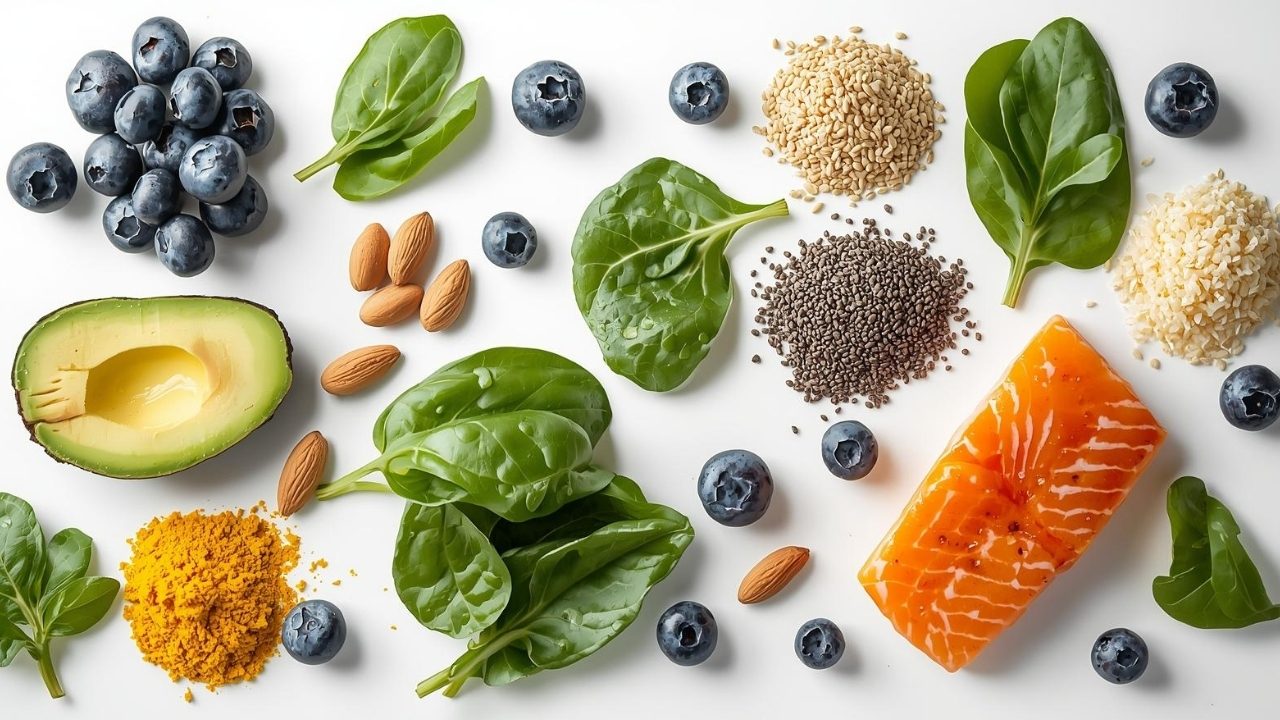

10 Superfoods You Should Add to Your Diet
The word “superfood” gets thrown around a lot, but its meaning is actually simple: foods that deliver powerful nutrition in small, easy-to-use packages. These are ingredients rich in vitamins, minerals, antioxidants, healthy fats, or plant compounds that help your body function at its best. They’re not magic pills or overnight solutions—but they are some of the most nourishing foods you can add to your daily meals.
The good news? You don’t have to overhaul your diet or follow strict rules to experience the benefits. Adding even a few superfoods to your routine can help boost your energy, support your immune system, improve digestion, and enhance your overall wellness. Whether you’re new to healthy eating or simply looking to upgrade your meals, this guide will walk you through ten superfoods worth including in your diet—plus easy ways to enjoy them.
- Blueberries
Blueberries are often the first superfood people think of—and for good reason. These tiny berries are loaded with antioxidants, especially anthocyanins, which support brain health, reduce inflammation, and protect cells from damage.
Why They’re Powerful:
- High in antioxidants
- Support brain and heart health
- Naturally fiber-rich
- Low in calories and easy to use
How to Add Them:
- Blend into smoothies
- Add to oatmeal or yogurt
- Freeze for a refreshing snack
- Sprinkle onto salads for sweetness
Blueberries offer big nutritional value with little effort, making them a perfect everyday superfood.
- Spinach
Spinach is one of the most versatile leafy greens and an essential superfood for nutrient density. It’s rich in vitamins A, C, and K, as well as folate, iron, and fiber. Despite being low in calories, spinach supports digestion, skin health, and energy levels.
Why It’s Powerful:
- Excellent source of plant-based iron
- Supports immune and bone health
- Easy to cook or eat raw
- Extremely low in calories
How to Add It:
- Toss into salads
- Blend into smoothies (you won’t taste it!)
- Cook into eggs, soups, or pasta dishes
- Use as a base instead of lettuce
Spinach’s mild flavor makes it one of the easiest superfoods to add to your diet without changing your favorite meals.
- Salmon
Salmon is a top source of omega-3 fatty acids—nutrients essential for heart health, brain function, and reducing inflammation. It’s also loaded with protein, vitamin D, and B vitamins.
Why It’s Powerful:
- Supports brain and heart health
- Rich in anti-inflammatory omega-3s
- High-quality protein source
- Keeps you full longer
How to Add It:
- Bake with herbs and lemon
- Add to salads or grain bowls
- Try smoked salmon on whole-grain toast
- Use canned salmon for affordable meal prep
Whether fresh, frozen, or canned, salmon is one of the most nourishing proteins to include in your diet.
- Chia Seeds
Chia seeds might be tiny, but they’re packed with nutrients: fiber, omega-3s, plant protein, and antioxidants. They absorb liquid, creating a gel-like consistency that makes them great for puddings and smoothies.
Why They’re Powerful:
- Excellent source of fiber for digestive health
- Support stable energy and blood sugar
- Contain complete plant-based protein
- Long shelf life and easy to store
How to Add Them:
- Make chia pudding with milk of your choice
- Sprinkle into yogurt or oatmeal
- Add to smoothies
- Mix into baked goods for extra nutrition
Just one tablespoon goes a long way.
- Sweet Potatoes
Sweet potatoes are vibrant, comforting, and packed with beta-carotene (a form of vitamin A), fiber, and slow-digesting carbohydrates. They help support eye health, digestion, and stable energy.
Why They’re Powerful:
- High in antioxidants and fiber
- Support healthy digestion
- Naturally sweet and versatile
- Provide long-lasting energy
How to Add Them:
- Roast and serve as a side
- Use in soups or stews
- Turn into mashed sweet potatoes
- Slice and bake into fries
Their natural sweetness makes them a favorite superfood for both savory and sweet dishes.
- Greek Yogurt
Greek yogurt stands out for its protein content, probiotics, and calcium. It supports gut health, helps build muscle, and keeps you full longer—making it a perfect breakfast staple.
Why It’s Powerful:
- Rich in gut-friendly probiotics
- High in protein
- Supports bone health
- Creamy and versatile
How to Add It:
- Use as a base for parfaits
- Swap for sour cream in recipes
- Blend into smoothies
- Mix with fruit and honey
Choosing unsweetened varieties gives you the most nutrients without unnecessary sugar.
- Avocados
Avocados offer healthy monounsaturated fats, fiber, potassium, and vitamins C, E, and K. They help keep you full, support heart health, and make meals more satisfying.
Why They’re Powerful:
- Packed with heart-healthy fats
- Support skin health
- Rich in fiber for digestion
- Add creaminess without dairy
How to Add Them:
- Spread on toast
- Add to salads or bowls
- Blend into smoothies for creaminess
- Use as a topping for soups and tacos
Avocados make healthy eating feel indulgent.
- Quinoa
Quinoa is one of the few plant-based complete proteins, meaning it contains all nine essential amino acids. It’s also high in fiber, iron, and magnesium.
Why It’s Powerful:
- Complete protein source
- Gluten-free and nutrient-dense
- Supports digestion
- Cooks quickly and easily
How to Add It:
- Use as a base for bowls
- Add to salads for extra protein
- Mix into soups for a heartier texture
- Use as a substitute for rice
Quinoa fits seamlessly into many meals and boosts their nutritional value effortlessly.
- Walnuts
Walnuts are rich in omega-3 fatty acids, antioxidants, and healthy plant compounds that support brain health and reduce inflammation.
Why They’re Powerful:
- Great for brain and heart health
- Provide healthy fats and protein
- Satisfying and crunchy
- Easy to store and snack on
How to Add Them:
- Sprinkle on oatmeal or yogurt
- Mix into salads
- Use in homemade granola
- Snack on them alone or with fruit
A small handful delivers big benefits.
- Turmeric
Turmeric has been used for centuries for its health-boosting properties, especially its active compound curcumin, known for its anti-inflammatory and antioxidant effects.
Why It’s Powerful:
- Supports immune function
- Helps reduce inflammation
- Antioxidant-rich
- Easily incorporated into meals
How to Add It:
- Stir into soups or stews
- Add to rice or quinoa
- Mix into smoothies
- Use in golden milk with warm spices
Pairing turmeric with black pepper helps your body absorb it more effectively.
How to Easily Add Superfoods to Your Diet
Including superfoods in your diet doesn’t mean every meal has to be perfect. Start with small, realistic changes:
- Add fruit or seeds to your breakfast
- Swap refined grains for whole grains
- Choose nutrient-dense snacks
- Add leafy greens to one meal a day
- Keep simple staples—berries, nuts, spinach—on hand
Over time, these small additions create meaningful improvements in your energy, digestion, immunity, and overall health.
Final Thoughts
Superfoods aren’t a trend—they’re nourishing ingredients that offer powerful health benefits without demanding complicated recipes or major lifestyle changes. By incorporating even a few of these ten superfoods into your daily routine, you can elevate your nutrition and support long-term well-being in simple, enjoyable ways.
Your journey doesn’t have to be overwhelming. Start with one superfood, then add another, and before you know it, your meals will naturally become richer, healthier, and more vibrant.
If you want, I can also create:
- A weekly meal plan using these superfoods
- A shopping list to make it easy
- Smoothie or bowl recipes featuring these ingredients
- A printable infographic for your kitchen