Green Hydrogen: Fueling a Sustainable Tomorrow
Lorem ipsum dolor sit amet, consectetur adipiscing mollis dolor facilisis porttitor.
Lorem ipsum dolor sit amet, consectetur adipiscing mollis dolor facilisis porttitor.
A joyful life isn’t built from one single accomplishment. It’s shaped over time through small, intentional experiences that awaken happiness, curiosity, connection, and meaning. And while traditional bucket lists often focus on skydiving, world travel, or adrenaline—this ChillBloom lifestyle bucket list is different. It’s centered around calm, growth, creativity, fulfillment, and simple pleasure.
This is a list designed to help you savor life, not sprint through it.
You don’t need to rush through every idea.
You don’t need to check off everything.
You simply need to choose experiences that enrich your life and encourage joy in a sustainable, gentle way.
Let’s begin.
There is something powerful about mornings. They set the tone for your entire day.
Choose a ritual that nourishes you, such as:
Your morning shouldn’t feel frantic.
It should feel like a calm invitation to the day ahead.
Evenings are your emotional transition from busy to peaceful.
A calming bedtime ritual can include:
Rest is not indulgent—it’s essential.
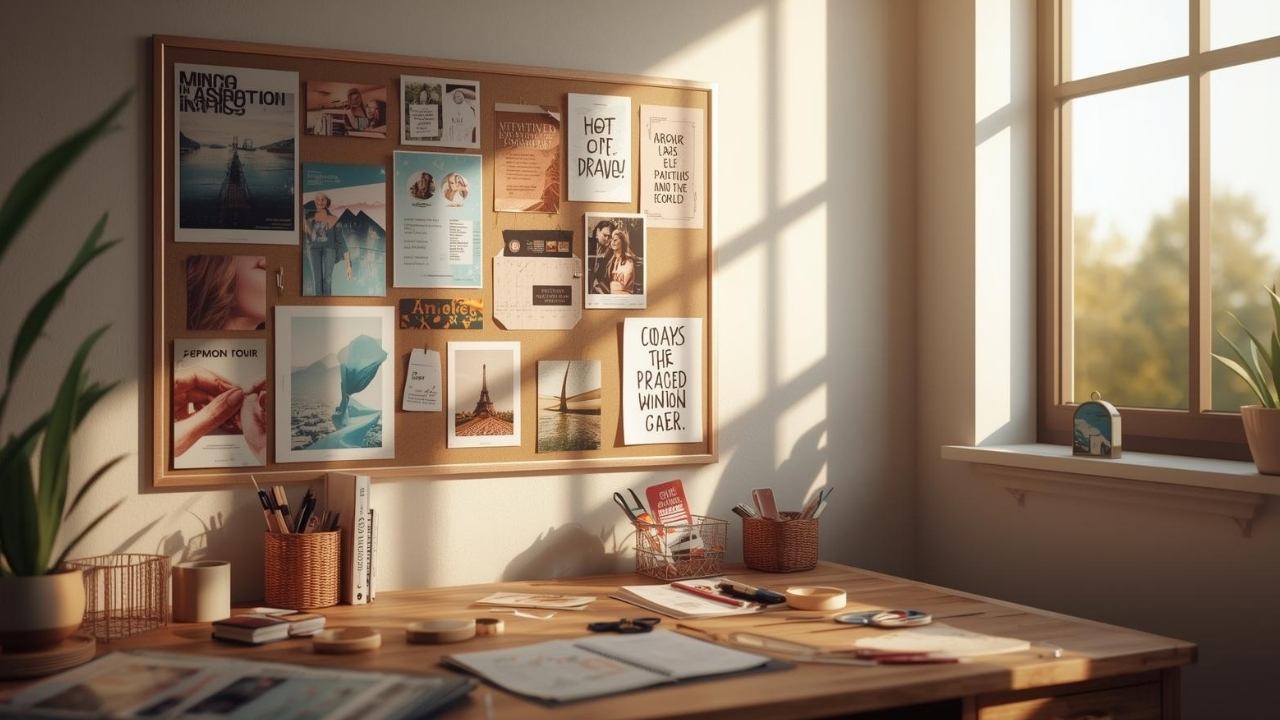
A vision board is a canvas for your dreams.
Whether digital, physical, or handwritten,
it helps you clarify what you want your life to look like and reminds you to stay rooted in purpose.
It is both art and direction.
Not every hobby has to become a hustle.
Try something simply because you enjoy it:
Joy is allowed to have no outcome.
Movement should feel enjoyable—not like punishment.
Experiment with:
Exercise becomes sustainable when it aligns with your energy—not against it.
A sanctuary can be a corner, a desk, or an entire room.
Add:
Make it somewhere you feel safe and inspired.
This teaches you to enjoy your own company and build confidence in independence.
Ideas include:
Romanticize being with yourself.
Life doesn’t need to be rushed to be meaningful.
Slow living means:
Life is not measured by speed.
Taste is a form of adventure.
Take your senses traveling through:
Some journeys can happen in your kitchen.
Reading expands your imagination and nourishes your mind.
You can read:
Even 10 minutes a day counts.
Make reading gentle, not demanding.
Nature humbles the mind and softens the heart.
Spend time with trees, water, fresh air, mountains, gardens, or simply the sky.
Let the earth rebalance you.
You can’t live a meaningful life if all your attention exists online.
Try:
Your mind deserves quiet.
Buy yourself flowers.
Toast to tiny victories.
Write them down.
Life is shaped by small wins as much as big ones.
Recognize them.
Each season has its own rhythm.
In spring, plant something.
In summer, picnic.
In fall, bake something warm.
In winter, host cozy nights.
Traditions add magic to the calendar.
Gratitude is one of the simplest but most transformative emotional tools.
Write down a few things you’re grateful for each day.
Watch perspective shift.
Modern life trains us to stay hyper-alert.
Teach yourself how to:
Productivity is not identity.
Let go of what weighs you down—
physically, emotionally, energetically.
Simplify with kindness.
Discard slowly, intentionally.
Each item released makes space for peace.
Nurture bonds with people who make you feel understood.
Prioritize:
Quality friendships feed the soul.
You don’t need a reason to celebrate who you are becoming.
Life is short.
Celebrate your journey.
Watch at least a few each year.
They remind you:
things end beautifully,
and begin gently.
Instead of rushing through sights,
focus on:
Slow exploring creates deeper memories.
Write down meaningful experiences,
no matter how small.
One day,
those pages will remind you how rich your life was.
Boundaries are self-respect.
Their purpose is protection,
not distance.
Saying no creates space for your deeper yes.
Money stress steals joy.
Learn to:
Financial calm supports emotional calm.
At the end of life,
you’ll remember:
people,
moments,
peace,
connection,
beauty,
and love.
Not rushing.
Not striving endlessly.
The goal of this bucket list isn’t completion—
it’s transformation.
Final Thought
A joyful life isn’t built overnight.
It’s created through years of tiny decisions,
gentle priorities,
soft realizations,
and wholehearted experiences.
This ChillBloom lifestyle bucket list isn’t a sprint toward achievement—
it’s a slow walk toward fulfillment.
Choose what resonates.
Allow yourself to evolve.
And most importantly…
Fill your life with things that make you feel alive in the quietest, most genuine way.
There is something magical about Sundays. The pace softens. The world quiets. And life, in its gentle way, gives us permission to reset. A slow, peaceful Sunday isn’t just a luxury—it’s a form of emotional and mental restoration. It offers space to reflect, breathe, and reconnect with yourself before another fast-paced week unfolds.
Yet many people unintentionally fill Sundays with tasks, errands, scrolling, busyness, and background anxiety about Monday. The day disappears before they’ve had a chance to enjoy it.
The true power of Sunday is found in slowing down—not rushing through.
If you want to transform your Sundays into a warm, nourishing ritual, this guide will help you embrace stillness, presence, and ease.
Start With Intentional Slowness
Begin your Sunday differently from the rest of your week.
Wake up without an alarm if possible.
Stretch slowly beneath the blankets.
Open your eyes at your natural pace.
The way you wake up can set your emotional tone for the entire day.
Instead of immediately checking your phone or jumping into chores, choose a peaceful beginning:
Let your morning unfold like a calm exhale.
Sundays are not for urgency—they are for presence.
Create a Gentle Morning Ritual
Your Sunday ritual doesn’t need to be complicated—it just needs to nurture calm.
You might try:
The idea is to honor your own comfort, energy, and rhythm.
This is your time to reconnect with yourself before distractions seep in.
Enjoy a Special Breakfast
Sunday breakfast carries a unique kind of joy.
Instead of eating something rushed and familiar, make it intentional and comforting.
Some ideas:
Cook slowly.
Savor deeply.
Eat without multitasking.
Food becomes more than nourishment—it becomes ceremony.
Invite Quiet Reflection
Sundays give us a chance to pause and check in.
Ask yourself:
Reflection clears emotional clutter.
It opens space.
It gently organizes the mind.
Some people like to reflect through journaling.
Others prefer thoughtful silence.
Both are equally powerful.
Spend Time Outdoors
Nature has a soothing, grounding effect that no screen can replicate.
Whether you live in a bustling city, peaceful countryside, or somewhere in between, step outside.
Walk through a park.
Sit by water.
Visit a garden.
Stand under the sun.
Sit on your porch.
Breathe deeply in fresh air.
Let your senses reset.
Even 20 minutes outdoors can reduce stress and restore calm.
Let the natural world work its gentle magic.
Prioritize Rest Without Guilt
Rest is nourishment—not laziness.
In a productivity-driven culture, we often feel guilty for resting.
Sunday invites us to change that.
Give yourself permission to:
Stillness is not empty.
Stillness is restorative.
Let your body decide what it needs.
Reconnect With What Brings You Joy
Sunday is a perfect opportunity to do something purely because it makes you happy.
No purpose.
No productivity.
Just joy.
This could be:
Joy doesn’t have to be loud.
Often, the quiet joys are the most rejuvenating of all.
Reduce Digital Noise
Technology is helpful—but overstimulation steals peace.
Consider unplugging intentionally.
You might:
Instead of scrolling life away,
experience it.
Let Sunday be a day your mind gets to breathe.
Clean Your Space Slowly and Mindfully
A peaceful environment can enhance inner calm, but Sunday cleaning doesn’t have to become a chore marathon.
Rather than rushing through your entire home, pick a few gentle tasks:
Clean with intention and presence, not urgency.
Let it feel soothing.
Think of it as refreshing—not exhausting.
Prepare for the Week in a Calm Way
Preparation is peaceful when done gradually.
Some soothing weekly prep ideas:
This reduces Monday anxiety and gives your mind structure.
You don’t need rigid planning.
You just need supportive planning.
Connect Softly With Loved Ones
Sunday connection can be slow, gentle, and heartfelt.
Have coffee with someone you love.
Call a friend with no agenda.
Share a meal with family.
Play board games.
Watch a movie together.
Not every moment needs excitement.
Some can simply be warm.
Connection fuels the soul.
Allow Space for Stillness in the Evening
As the day fades, lean into softness.
Dim the lights.
Put on calm music.
Take a long shower or bath.
Sip herbal tea.
Stretch your body lightly.
Reflect on your weekend.
Let your whole being soften into comfort.
This is how peace settles into your body.
Let Sunday Remind You to Slow Down More Often
A peaceful Sunday can become a gentle teacher.
It reminds you that:
you deserve rest,
your mind needs quiet,
your body needs softness,
and your life needs warmth.
The more you allow yourself to slow down,
the more alive you feel.
Sunday is not the end of the week.
It is the reset.
Final Thought
A slow, peaceful Sunday isn’t about perfection or productivity—it’s about honoring your humanity.
It is an intentional retreat within your own life.
It’s a reminder that you are allowed to breathe,
to pause,
to exist without rushing.
When you give yourself a quiet Sunday,
you begin the week grounded,
clear,
and whole.
And sometimes,
that makes all the difference.
Finding the perfect gift can feel both exciting and overwhelming. You want something meaningful, something thoughtful—and ideally something that shows the receiver you truly know and appreciate them. Yet in a world full of mass-produced items, scrolling endlessly through generic gifts can feel uninspiring and repetitive. That’s exactly why unique gifts hold so much value. They carry personality, intention, and memory.
Whether you’re celebrating a birthday, anniversary, graduation, wedding, holiday, new job, or simply a milestone moment, giving a unique gift creates deeper emotional impact. It says, “I paid attention. I care. I chose this with purpose.”
If you’re searching for unforgettable ideas, this ChillBloom-style guide will spark your imagination and help you discover meaningful, refreshing gift options for the special people in your life.
Why Unique Gifts Matter
A one-of-a-kind or deeply thoughtful gift has emotional weight. It goes beyond usefulness or aesthetics—it communicates connection.
Unique gifts:
When someone receives a gift that truly reflects who they are, the moment becomes unforgettable.
You’re not just giving an object—you’re giving a feeling.
Personalized & Custom-Made Gifts
Custom gifts are powerful because they can’t be duplicated in meaning.
Some beautiful ideas include:
Customization turns an ordinary item into something emotionally valuable.
For anniversaries, this is especially impactful—marking time, milestones, and shared memories.
Experience-Based Gifts
Sometimes, the best gift isn’t an item—it’s a memory waiting to happen.
Consider giving:
Experiences encourage connection, growth, and joy.
This is perfect when the person values moments over materials.
Thoughtful DIY Gifts
Handmade gifts carry heart.
They show time, care, effort, and love.
Some simple but meaningful DIY ideas:
When you create something yourself, you infuse your emotion directly into the gift.
The imperfections make it special.
Subscription Gifts That Keep Giving
Subscriptions are exciting because they deliver repeated joy.
A few categories to explore:
Each delivery becomes a surprise with your name attached to it.
It’s the gift that lasts long after the celebration.
Gifts That Support Dreams
One of the most thoughtful types of gifts is something that helps someone grow.
For example:
This says, “I believe in you.”
And sometimes, that is the most valuable gift someone can receive.
Eco-Friendly & Sustainable Gifts
Sustainable gifts show care not only for the recipient, but for the planet.
Consider:
Sustainable gifts can be meaningful, stylish, and responsible.
They offer purpose beyond the moment.
Memory-Focused Gifts
Memories are irreplaceable.
A gift that preserves them is a treasure.
Ideas include:
These gifts carry history, nostalgia, and emotion.
They remind the recipient they are loved through time.
Food-Centered Gifts
Food evokes comfort, joy, and togetherness.
A unique food-based gift could be:
You can also host a private dinner or cook for them—another gift from the heart.
Sentimental Gifts with Deep Meaning
Sometimes, the most meaningful gift touches the heart quietly and profoundly.
Examples:
These gifts remind the receiver not just of the present moment—but of connection itself.
Gifts for People Who “Don’t Want Anything”
We all know someone who insists they need nothing.
But there are still ways to surprise them thoughtfully:
Even minimalists enjoy meaningful gestures.
How to Choose the Right Unique Gift
When selecting a gift, consider four elements:
When these align, the gift becomes unforgettable.
Final Thoughts: The Best Gifts Come from the Heart
At the end of the day, a truly unique gift is not just about novelty—it’s about intention.
It says:
I thought about you.
I understand you.
I value you.
You matter.
Whether handcrafted, personalized, experiential, or symbolic, the most meaningful gifts are rooted in love, attention, and connection.
And that is what makes any occasion special.
Your gift becomes more than a present—
it becomes a memory.
Inspiration is one of the most beautiful forces in human life—yet one of the most unpredictable. It can appear suddenly, fill your mind with ideas, and electrify your spirit. And then, without warning, it can fade, leaving you wondering where it went and when it will return. Many believe inspiration is something that simply happens to us, like weather or luck. But the truth is, daily inspiration can be cultivated, encouraged, and nurtured when we use the right approaches.
Staying inspired every day doesn’t require dramatic life changes or constant excitement. Most of the time, it’s born through the small choices we make, the habits we build, and the perspectives we practice. In this ChillBloom-inspired guide, we’ll explore how you can stay inspired each day with intention, presence, and joy.
Start with a Meaningful Morning Ritual
How you begin your morning shapes how you experience the rest of your day. Inspiration thrives when your mind wakes up gently and intentionally.
Instead of grabbing your phone immediately, try a morning ritual that encourages clarity.
This could include:
Your ritual doesn’t have to be complicated or long—it just has to be yours.
A calm start creates mental space for inspiration to enter.
Feed Your Mind with Beauty and Ideas
Inspiration isn’t born from isolation—it grows when the mind encounters thoughts, images, and stories that expand possibility.
Some ways to nourish your imagination include:
Make learning a daily practice, not an occasional event.
Inspiration is a natural outcome of curiosity.
Create a Space That Sparks Your Imagination
The environment you live in silently shapes your inner world.
A cluttered space can clutter your mind.
A boring space can dull your ideas.
A beautiful space can open your imagination.
Consider:
Your surroundings should energize you—not drain you.
This isn’t about perfection.
It’s about support.
Stay Close to Your Purpose
Inspiration dries up quickly when you forget why you’re doing something in the first place.
Reconnect with your why regularly.
Ask yourself:
Purpose is like a lighthouse—it keeps you grounded, even when waves of doubt rise.
Write your purpose somewhere visible.
Keep reminding yourself.
Take Time to Disconnect, Slow Down, and Pause
Modern life constantly demands input, feedback, and stimulation.
But inspiration often appears in stillness, quiet, and space—when the mind has time to breathe.
Give yourself breaks.
Step away from screens.
Walk without headphones sometimes.
Drive in silence.
Sit in nature and notice details.
Doing nothing is an act of nourishment.
Rest restores inspiration better than pressure ever will.
Seek Micro-Moments of Wonder
Inspiration does not only exist in extraordinary moments.
Sometimes, the spark is in:
When you let yourself experience life with full presence, the ordinary becomes magical.
Wonder is everywhere for those who choose to notice.
Surround Yourself with People Who Lift You Higher
Your environment includes people too.
Some people inspire by the way they think, create, or live.
Others drain energy through negativity, drama, or stagnation.
Your circle matters.
Stay close to:
Conversations can be fuel.
And supportive people spark courage.
Create Something—Even If It’s Small
Inspiration grows stronger when expressed.
You don’t need to produce masterpieces.
Just create.
Write a journal entry.
Sketch a scene.
Cook a new recipe.
Take a photo.
Plant something.
Compose a melody.
Design a vision board.
Craft something by hand.
Creation is proof of imagination,
and imagination expands through use.
Explore Something New Regularly
Routine is valuable—but too much sameness can dull the mind.
Trying new things reignites curiosity.
This doesn’t need to be grand.
It can be:
New experiences stimulate new thoughts.
Even tiny adventures inspire growth.
Fill Your Mind with Gratitude
Inspiration doesn’t thrive in scarcity thinking.
When everything feels lacking,
creativity shuts down.
Gratitude creates a sense of abundance—
and abundance invites inspiration.
Every day, notice what is good:
Write them down if you can.
Gratitude strengthens meaning.
Protect Your Mental Energy Fiercely
Inspiration struggles when burnout takes over.
Guard your energy by:
A tired mind cannot feel inspired.
A supported mind can.
End Each Day With Reflection
Evenings are your reset.
Use that time consciously.
Consider reflecting on:
Reflection transforms experience into wisdom.
Wisdom cultivates inspiration.
Final Thoughts: Inspiration Is a Daily Choice
Inspiration doesn’t always arrive dramatically.
More often,
it grows quietly, steadily, patiently.
It blooms inside regular routines,
small joys,
tiny breakthroughs,
gentle reflections,
moments of softness,
and intentional awareness.
Every day, you have opportunities to ignite the spark.
Stay curious.
Stay open.
Stay connected.
Stay present.
Inspiration isn’t random—
it’s cultivated.
And when you nurture it with love,
it will nurture you back.
Creating a vision board is more than gluing images onto a poster. It is a sacred creative exercise rooted in clarity, intention, and emotional connection. A vision board is a visual map of who you want to become and what experiences you want to invite into your life. It bridges imagination and reality by giving your goals form, color, and structure. It reminds you daily of the life you’re designing—not by chance, but with purpose.
In the ChillBloom spirit, a vision board isn’t about forcing predetermined achievements. Instead, it’s about exploring your dreams gently, with self-awareness, gratitude, and openness. The goal is not perfection; the goal is connection—to yourself, your desires, and your future.
Let’s walk through a mindful, empowering guide to creating a vision board that feels inspired, affirming, and deeply personal.
Start With Honest Self-Reflection
Before picking up scissors or saving Pinterest images, pause and ask yourself:
What do I truly want?
What do I crave emotionally?
How do I want to feel in my daily life?
Where am I ready to grow?
Most people jump straight into aesthetics, but clarity is the foundation.
Think about:
Write freely.
Let ideas spill out without judgment.
A vision board begins with inner alignment—not visuals.
Decide the Format That Suits You
Vision boards come in many forms, and choosing the right one boosts connection and follow-through.
Some options include:
Physical Board Options
Digital Board Options
Your lifestyle may guide the choice:
There is no wrong choice—only the one that feels natural to you.
Gather Intentional Materials
If you’re working with a physical board, collect:
For digital boards, gather:
The materials themselves can awaken creativity.
Take your time.
Make it fun.
Play music.
Sip tea.
Turn the creation process into a ritual.
Choose Images With Emotional Resonance
The most important element of a vision board isn’t the aesthetic—it’s the emotion.
When selecting images, ask:
Does this feel like the future I desire?
Does this image make my heart react?
Do I feel inspired when I look at this?
Avoid picking generic images that look impressive but mean nothing to you.
Instead, choose visuals that:
Your board shouldn’t impress others.
It should resonate with you.
Focus on the Life You Want to Create, Not Just the Stuff You Want to Own
A ChillBloom-aligned board is holistic.
It celebrates:
A vision board is not only about external achievements.
It should also reflect:
☑ feelings
☑ states of mind
☑ habits
☑ self-care
☑ healing
☑ mindset shifts
Balance what you want to attain with who you want to become.
Add Meaningful Words and Affirmations
Words anchor intention.
On your board, include:
Examples:
“I welcome new opportunities.”
“I am becoming my best self.”
“Aligned, grounded, abundant.”
“Open heart, steady mind.”
These words remind your subconscious to act in alignment with your intention.
Do not underestimate the quiet power of language.
Organize Your Vision With Intention
There is no right layout.
Some people create structured sections:
Others prefer a more intuitive, flowing design.
Follow what feels right.
Flow > perfection.
Connect With Your Board Daily
A vision board only works when it becomes part of your life.
Make it a daily interaction by:
Let it guide micro-decisions:
“What would the future-me on this board choose today?”
This is how goals become reality—not overnight, but through aligned action.
Let Your Vision Evolve
Your life will shift.
So should your board.
Some images may lose relevance.
Some dreams will change.
Some intentions will expand.
Adjust your board as needed.
Update it seasonally, yearly, or whenever you feel your direction shifting.
Growth is proof that you are evolving.
Don’t Treat It Like a Test—you Cannot Fail
A vision board is not a productivity tool.
It is a heart tool.
Release pressure.
Release timelines.
Release comparison.
It exists to:
The purpose is not completion—
It is connection.
Why Vision Boards Work
They work because:
And when you see your goals every day,
your brain naturally begins moving toward them.
Not through force,
but through alignment.
Final Thoughts
A vision board is a living expression of your future self.
It honors your dreams gently, patiently, and intentionally.
In true ChillBloom fashion, creating a vision board is a moment of self-care, creativity, and emotional grounding—a personal promise to nurture your potential.
Start slowly.
Choose what resonates.
Build with love.
Return to it often.
Your dream life doesn’t begin later.
It begins with every mindful step you take today.
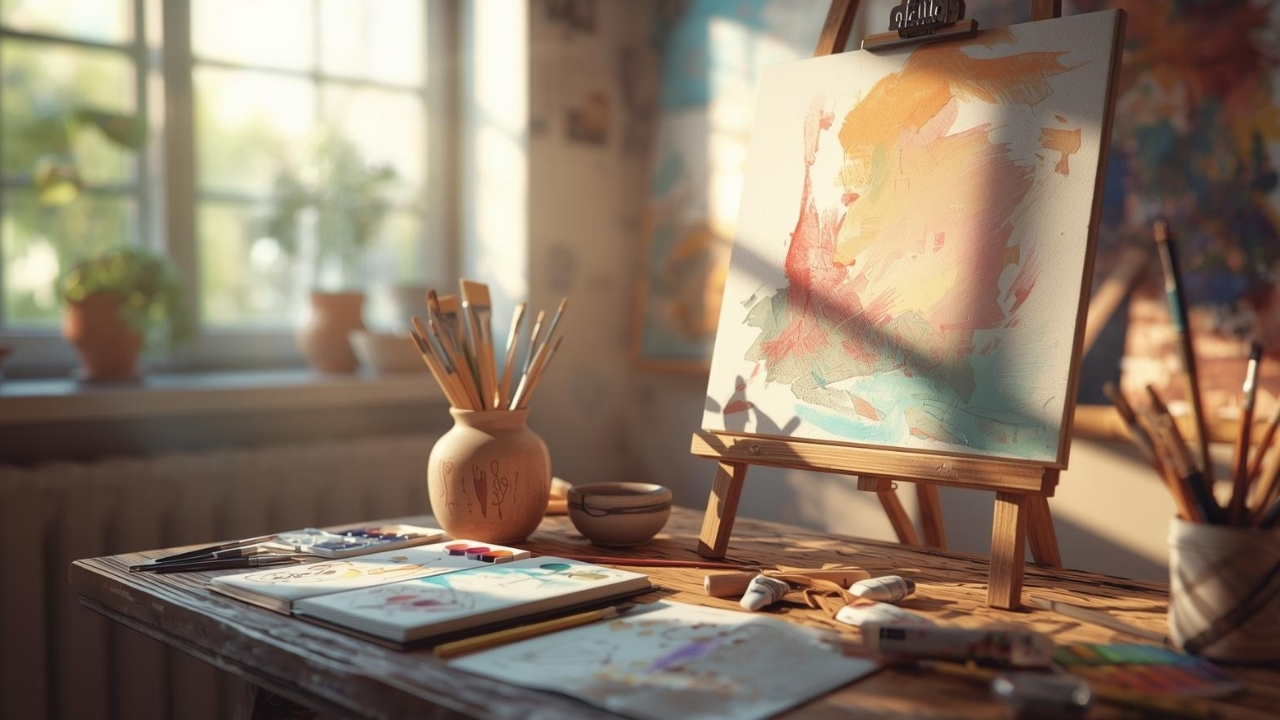
Discovering your artistic side isn’t about suddenly becoming a master painter or unlocking some rare secret talent. It’s about reconnecting with your senses, your imagination, and your desire to create something that feels uniquely yours. Many people go through life believing they aren’t artistic simply because they don’t draw or paint. In reality, creativity comes in endless forms: it can live in movement, color, words, music, design, decorating, cooking, crafting, photography, and even problem-solving. The truth is, everyone is artistic in their own way—they just need space, curiosity, and encouragement to explore it.
If you’ve been craving a deeper creative expression, consider this your gentle guide to unlocking it. Here are practical, enjoyable, pressure-free ways to explore your artistic side and grow a lifestyle of creativity.
Start Small—And Start Now
Creativity rarely blooms under pressure. A huge project can overwhelm the brain before you even begin, so start with something tiny.
Pick just one simple activity:
When it comes to creativity, momentum is more valuable than mastery. Much like watering a plant, the more consistently you nurture your artistic self, the more it naturally expands.
Follow Your Curiosity, Not “Skill”
Curiosity is the compass of creativity.
You might admire watercolor paintings…
but feel intimidated because you’ve never tried.
You might love music…
but convince yourself you’re too old to learn an instrument.
You might feel fascinated by sculpting, digital illustration, or pottery…
yet assume you must already be great at them before beginning.
Let go of the belief that only skilled people deserve to explore art.
Your curiosity is enough.
Your interest is your permission.
Lean into what excites you, even if it’s completely unfamiliar.
Create a Low-Pressure Environment
The more peaceful and comfortable your space, the easier your creativity will flow.
Try making a small “creative corner” at home with:
This doesn’t need to be perfect or aesthetic.
It simply needs to feel safe.
Creativity thrives where judgment fades.
You are not creating to impress—you are creating to express.
Let Go of Perfection
Perfection is creativity’s biggest enemy.
Many people stop themselves mid-project because they don’t like how something is turning out.
But creativity is messy.
It’s uneven lines, unclear ideas, awkward attempts, and dozens of drafts.
If a child stumbled while learning to walk, we wouldn’t yell at them.
Yet adults criticize themselves for not being incredible at something right away.
Instead:
Creating badly is part of creating beautifully.
Experiment With Different Art Forms
There is no single “correct” way to be artistic.
Try rotating through various creative outlets:
Each form will teach you something different about yourself.
Some will feel good; some won’t.
That’s the point of exploration—to discover what fits your spirit.
Use Art as Emotional Expression
Art is not only a skill—it’s a release.
Use creativity as a tool to:
Make something when you feel happy, angry, lonely, or inspired.
Your art becomes a mirror reflecting what words cannot.
And sometimes, that is where the real magic lives.
Consume More Art
Creativity doesn’t begin from emptiness.
Expose yourself to art as fuel:
Observing art reminds your brain what is possible.
It awakens dormant imagination.
It teaches your senses to see more deeply.
Turn Everyday Life Into Art
You don’t need a canvas or gallery.
Creativity can hide in:
Art isn’t separate from life.
It is life, expressed intentionally.
Join Creative Communities
Isolation can shrink creativity.
Community expands it.
Consider:
Being surrounded by creative people awakens creativity within you.
Energy is contagious.
Celebrate Your Progress
Don’t dismiss small steps.
Document your journey:
Creativity is a lifelong evolution, not a single moment of achievement.
Celebrate:
Every artistic attempt is a victory.
Allow Creativity to Change You
When you explore your artistic side, life becomes richer.
You begin noticing details you used to overlook:
textures, sounds, shadows, colors, emotions, rhythms.
You gain patience, expression, curiosity, confidence, and presence.
You learn more about who you are.
Art turns ordinary living into meaningful experience.
Final Thoughts
Everyone has an artistic core waiting to be awakened.
You don’t need permission, perfection, or natural talent to explore it.
You only need openness, time, and willingness to experiment.
Your creativity is not measured by skill.
It’s measured by how deeply you allow yourself to express your inner world.
Start small.
Follow your curiosity.
Play without pressure.
Let art weave joy into your daily life—one imaginative moment at a time.
Weekends are meant to restore us. Yet for many of us, they vanish in a blur of chores, notifications, rushed errands, and unfinished to-dos. By Sunday night, instead of feeling renewed, we feel just as exhausted—sometimes even more. The truth is, most people don’t intentionally design their weekends for rest. They simply react to them. But when you choose to use your days off with purpose, you recharge your mind, body, and spirit in ways that influence your entire week.
Relaxation doesn’t require expensive vacations, elaborate plans, or long checklists. It simply requires space, presence, and activities that soothe rather than drain. This guide explores fun, gentle, soul-nourishing weekend activities that help you relax deeply and genuinely enjoy your downtime.
Why We Need Intentional Rest on Weekends
Our systems aren’t machines. We are not built for nonstop output. We need days where the pace slows and our nervous system resets. When we rest intentionally, we:
A fulfilling weekend isn’t defined by how much you accomplish—it’s defined by how restored you feel afterward.
Instead of rushing through your morning meal, transform breakfast into a slow experience.
This could look like:
When you slow down your morning, your whole day shifts.
Nature does something profound to our emotional state. It relaxes the body, quiets the mind, and grounds our energy.
Whether you go to:
Walking without urgency helps you breathe again.
Tip:
leave your phone in your pocket.
Creativity is deeply therapeutic.
Try:
You don’t need skill—just curiosity.
The purpose is expression, not perfection.
Pick a cozy corner,
grab a warm drink,
and open a book.
Reading is relaxation in its purest form.
Make it intentional by:
Even 30 minutes feels nourishing.
Comfort matters more than content.
Set the vibe:
Choose something soothing instead of overstimulating.
Aim for cozy,
not chaotic.
You don’t need a luxury spa—you can create a relaxing experience yourself.
Ideas:
Self-care shouldn’t feel rushed.
Let it be slow and indulgent.
Cooking becomes relaxing when it’s not rushed.
Choose recipes like:
Focus not on perfection,
but pleasure.
Cooking is art,
ritual,
and meditation.
Decluttering doesn’t have to be overwhelming.
Sometimes less is more relaxing.
Take it slow:
Tidiness creates calm,
not pressure.
Tiny progress counts.
Make space for silence.
Turn off:
Even two hours without screens feels luxurious.
Stillness is healing.
Weekend journaling gives your emotions space.
Try writing about:
Sometimes clarity is enough to restore peace.
Movement without intensity is deeply relaxing.
Consider:
Move with kindness.
It’s not about burning calories;
it’s about releasing tension.
Fresh food markets,
craft fairs,
flower stalls,
small cafés,
These spaces feel rich, alive, and comforting.
Support your local community while uplifting yourself.
Not every gathering needs a plan.
Sometimes the best memories come from:
We underestimate how healing company can be.
Choose people who calm your spirit,
not drain it.
A slow closing of the day.
End your evening intentionally:
by a window…
on a balcony…
at a park…
on your porch…
Sunsets remind us to appreciate time,
not rush through it.
Once per weekend,
schedule 60 minutes only for resetting your life gently.
Examples:
A life reset is deeply relaxing when done calmly.
How to Make Your Weekend Feel More Relaxing Overall
Relaxation isn’t only in activities—it’s in approach.
Try these small shifts:
Move slower.
Your nervous system deserves gentleness.
Say no to overstimulation.
You don’t need endless plans.
Leave blank space.
Unscheduled time is nourishment.
Let go of productivity guilt.
Rest IS productive.
Prioritize what restores you.
Not just what is convenient.
Most Important Reminder: Nothing Should Feel Forced
Relaxation shouldn’t be another item to “complete.”
If you want to spend your weekend napping,
reading,
sitting in silence,
or doing absolutely nothing at all…
That is enough.
Rest is not earned.
Rest is allowed.
Final Thoughts: Design Your Weekend With Intention
Your weekend can be a calming sanctuary instead of a blur.
When you give yourself activities that restore your spirit,
you return to your week with more:
energy,
clarity,
peace,
creativity,
and joy.
Relaxation is not about the size of your plans
—it is about the softness of your experience.
Honor your weekends.
Honor your need for rest.
Honor yourself.
Because a peaceful weekend creates a peaceful life.
There is something magical about a blank notebook. It holds possibility. It invites imagination. It has no rules, no expectations, no judgment—just an open space waiting for your thoughts, your sketches, your ideas, your emotions, your experiments, and your creativity. A creative journal is more than a diary; it’s a private playground for the mind and heart. It’s where structure and spontaneity meet. It’s a space to express yourself freely, with curiosity instead of pressure.
If you’ve ever wanted a practice that helps you grow your creativity, calm your thoughts, and document your inner world, creative journaling is a beautiful place to begin.
This guide will walk you through the foundations, approaches, tools, tips, and mindset shifts you need to start your own creative journal with confidence and joy.
What Is a Creative Journal?
A creative journal is a personal notebook used for imagination-centered expression rather than traditional documentation. Unlike a planner or diary, this journal encourages diversity in content. It can include:
It evolves as you evolve.
There are no formatting expectations and no required order. Every page can be different, every entry unique. It’s fluid, flexible, and deeply personal.
Why Creative Journaling Matters
Creative journaling doesn’t just fill pages—it fills your inner world.
Creativity isn’t a lightning bolt—it’s a habit. Regular journaling strengthens your imagination the way exercise strengthens muscle.
A creative outlet diffuses emotional weight and relieves internal tension.
It quiets mental noise.
Sometimes you don’t know what you feel until you write it down… or draw it.
Patterns emerge.
Themes repeat.
Insights appear.
No rules.
No audience.
Just you.
Step 1: Choose Your Journal Format
There are many ways to do this—pick what feels enjoyable, not overwhelming.
Option A: Physical Notebook
Ideal if you enjoy paper texture, pens, or crafting.
Choose based on:
Option B: Digital Journal
Perfect if you prefer your tablet or laptop.
Apps to consider:
Option C: Combination
Some entries on paper.
Some digital.
No problem.
Your journal should fit your lifestyle—not the other way around.
Step 2: Gather Tools That Inspire You
Don’t overthink supplies—simple is enough.
Useful creative tools include:
If you prefer minimalist journaling:
a single pen is all you need.
In truth, the most important tool is intention.
Step 3: Create a Ritual Around It
The act of journaling becomes easier when tied to moments.
Consider:
A ritual signals your brain:
“this is my space to slow down.”
You don’t need long sessions.
Even 5 minutes can be powerful.
Step 4: Start Simple, Not Perfect
A common mistake is expecting instant brilliance.
Creative journaling does NOT require:
The most liberating approach is letting yourself experiment.
Start with:
Your journal will grow into itself.
Step 5: Experiment With Styles
Creative journaling is diverse and playful.
Try incorporating different types of pages like:
Vision pages
Your future goals, dreams, adventures.
Mood maps
Energy, feelings, patterns, triggers.
Creative word pages
Freewriting
Poetry
One-sentence entries
Memory collections
Photos
Ticket stubs
Letters
Receipts
Collage spreads
paper
fabric
texture
Theme pages
books
nature
travel
seasons
Creative prompts
“What inspired me today?”
“If I could create anything…”
“My dream version of myself…”
Let pages develop organically, not rigidly.
Step 6: Use Prompts When Stuck
Creative blocks are normal.
Prompts can break the pause and restart the flow.
Examples:
Prompts don’t restrict.
They unlock.
Step 7: Let Your Journal Reflect Your Mood
Some days you might create vivid pages filled with color.
Some days you might want monochrome minimalism.
Some days you may write a single sentence.
That flexibility is the essence of creative journaling.
There is no wrong way to show up.
Step 8: Embrace Imperfection With Gratitude
This may be the most important mindset shift:
Let your journal be imperfect.
Because:
Creativity thrives in freedom.
Fear thrives in perfectionism.
Over time your journal becomes a visual archive of growth—not flawlessness.
Every messy page matters.
Every crooked line matters.
Every half-finished thought matters.
It’s all part of the journey.
Step 9: Review Your Pages Occasionally
Revisiting old entries reveals:
A creative journal becomes a mirror over time.
It shows you how alive your imagination is.
Step 10: Let It Be a Joy, Not a Task
Creative journaling should not feel like homework.
If you skip days…
or weeks…
that’s okay.
Return when it feels right.
Journal with love,
not pressure.
Ideas for First Entries
Here are easy starting options:
✔ Page of color swatches
✔ A quote you love
✔ A list of things inspiring you
✔ A collage of magazine cutouts
✔ A poem written in 3 minutes
✔ Shapes and lines
✔ Gratitude spread
✔ Single-word mood page
✔ Photos from your week
✔ A page about nothing at all
There is beauty in simplicity.
How Creative Journaling Supports Mental Well-Being
Journaling helps you slow down.
It encourages presence.
It quiets overstimulation.
It gives emotions an outlet.
It soothes anxiety.
It strengthens identity.
It nurtures wonder.
It restores imagination.
It is comfort on paper.
Your Journal Is a Private Sanctuary
No approval needed.
No audience required.
No expectations to meet.
Your creative journal is YOUR inner space.
A secret garden,
personal universe,
emotional home.
Let it become a companion to your life.
Final Thoughts: Start Where You Are
You don’t need to feel artistic to begin.
You don’t need to have a plan.
You don’t need perfect supplies.
You only need willingness.
One page at a time,
you build connection with yourself.
One page at a time,
you grow your creativity.
One page at a time,
you write your story.
So find a notebook.
Open it gently.
Take a breath.
Begin.
And enjoy watching yourself unfold on the page.
There’s something deeply satisfying about transforming a space with your own hands. When you walk into a room and spot a shelf you hung yourself, a candle you poured, or a wall accent you created from scratch, the room feels personal. It feels like a reflection of your creativity rather than a catalog. While home decor can get expensive quickly, DIY projects make it accessible, intentional, and fun. And the beauty of DIY is that perfection isn’t the goal—presence is.
Whether you live in a cozy apartment, a shared house, or your first owned home, this is your guide to simple, inspiring, meaningful DIY projects that can elevate your home environment and make it feel more like you.
Why DIY Home Decor Matters
Decorating your space isn’t about trends—it’s about expression. It’s about crafting an atmosphere that supports your mindset, welcomes your energy, and helps you unwind after long days.
DIY decor projects offer benefits beyond aesthetics:
Home is your daily setting. It should feel nurturing.
Candle-making is one of the most rewarding DIY projects because it combines scent, warmth, and ambiance. You can choose your fragrance blends, container shapes, and even wax colors—something store-bought candles don’t always offer.
All you need:
Personal touches can include dried flowers (designed safely away from flame), ribbon, or labels. These candles can match seasons, moods, or even specific rooms.
Floating shelves are surprisingly simple to assemble and instantly create visual height in a room. They serve both display and organizational purposes and can be installed in living rooms, kitchens, bedrooms, or small hallways.
Basic tools like:
…are all that’s required. With some stain or wood paint, you can match your personal style—light oak, dark walnut, or something bold, like forest green.
The result?
Something both practical and beautiful.
One of the most budget-friendly DIY adventures is upgrading what you already own—or what someone else no longer wants.
You can breathe life into:
A bit of sanding can remove years of wear, and a fresh coat of paint can reinvent the piece entirely. You can add new hardware, artistic stenciling, mosaic tile surfaces, or even decoupage patterns.
You’re not throwing things out—you’re resurrecting them.
Wall art doesn’t have to come from galleries. Some of the most meaningful wall displays are made by you, for you.
Ideas include:
You can create wall decor that reflects your values, travels, memories, or creativity.
And it only becomes more special over time.
Changing pillow covers instantly shifts a room’s mood.
Learn simple sewing techniques:
Or skip sewing altogether by using fabric glue and iron-on bonding.
The best part?
You get seasonal flexibility without constant buying.
Accent walls are impactful, inexpensive, and transformative.
Options include:
A single wall can redefine a bedroom, living area, or workspace.
Sometimes one shift changes everything.
This project decorates your kitchen and grows ingredients for your meals.
Mount a small shelf near the window and fill it with herbs like:
You can label pots, paint them, or hang mini watering bottles beside them.
This is decor you can eat.
That’s unbeatable.
Digital photos often stay unseen, buried in folders. Creating real, tangible photo displays reconnects you with memories.
Consider:
You can rotate photos seasonally or switch themes whenever life shifts.
Storage can be beautiful.
You can weave baskets from:
Or decorate existing storage using:
Clutter gets concealed.
Aesthetic stays intact.
Win-win.
Dining tables, coffee tables, and hallway stands often look unfinished until a centerpiece anchors them.
Ideas:
These don’t need to be expensive.
Just thoughtful.
This adds both art and purpose.
Use chalk paint to transform:
Suddenly you have:
reminders, grocery lists, messages, doodles—all visible and interactive.
Air-dry clay is a beginner-friendly craft that brings tons of room for creativity.
You can make:
It’s grounding, artistic, and fun.
Glass jars are versatile, abundant, and resourceful.
Use them as:
Add twine, ribbon, paint, or gravel to elevate the look.
This is sustainability at its most charming.
Tips for Choosing Your First DIY Project
Don’t pick something overwhelming.
Pick something exciting.
Consider:
The goal isn’t speed.
It’s enjoyment.
Start small.
Grow with confidence.
How DIY Changes the Way You See Home
When you start decorating with intention, your home shifts emotionally.
You notice lighting.
You care about textures.
You think about layout.
You experiment courageously.
You stop trying to make your home look like someone else’s,
and let it become an expression of you.
DIY becomes a process of self-discovery, not just design.
What You’ll Gain From the Journey
Not only décor.
But also:
Every project adds a layer of identity to your home.
In Closing: Your Home Is Your Canvas
You don’t need a huge budget to create a beautiful home.
You just need imagination, a willingness to learn, and the courage to try.
Let this year be the year you rediscover your creativity.
Let your home become part of that adventure.
Let DIY be your doorway into a space that feels intentional, genuine, and comforting.
And when you finish that first project…
stand back, admire it, and let yourself be proud.
You did that.