
How to Build a Balanced Plate Every Day
In today’s fast-paced world, it’s easy to grab whatever is convenient—processed snacks, fast food, or ready-made meals. While these options are often tasty, they may not provide the nutrition your body truly needs. Building a balanced plate is about more than just counting calories; it’s about creating meals that fuel your body, support overall health, and keep you feeling satisfied throughout the day.
The ChillBloom approach emphasizes simplicity, mindfulness, and flexibility, helping you make nutritious choices without stress or rigid rules. In this guide, we’ll break down what a balanced plate looks like, why it matters, and practical steps to make it part of your everyday routine.
Why a Balanced Plate Matters
A balanced plate ensures that your body gets a variety of nutrients from multiple food groups:
- Stable energy levels: Combining protein, healthy fats, and carbohydrates prevents energy crashes.
- Healthy digestion: Fiber from fruits, vegetables, and whole grains supports gut health.
- Weight management: Balanced meals help control hunger and prevent overeating.
- Nutrient variety: Different foods provide essential vitamins, minerals, and antioxidants.
- Mental clarity: Proper nutrition supports focus, mood, and cognitive function.
When your meals are balanced, you feel nourished, energized, and less reliant on snacks or quick fixes.
Step 1: Understand the Core Components
A balanced plate is built around four main components:
- Vegetables and Fruits
- Aim for half of your plate to consist of colorful vegetables and fruits.
- These foods are packed with fiber, vitamins, minerals, and antioxidants.
- Example: A mix of spinach, bell peppers, carrots, and a side of berries.
- Protein
- Protein helps build and repair tissues, keeps you full, and supports metabolism.
- Include lean meats, poultry, fish, eggs, tofu, tempeh, beans, or lentils.
- Example: Grilled chicken, black beans, or chickpea salad.
- Whole Grains or Complex Carbohydrates
- Choose whole grains like quinoa, brown rice, barley, oats, or whole-grain bread.
- Complex carbs provide sustained energy and fiber for digestion.
- Example: Brown rice with roasted vegetables or a whole-grain wrap with hummus.
- Healthy Fats
- Healthy fats support brain function, hormone production, and satiety.
- Sources include avocado, nuts, seeds, olive oil, and fatty fish like salmon.
- Example: Avocado slices on toast or a drizzle of olive oil on roasted vegetables.
This framework is flexible and adaptable—every meal doesn’t need to be perfect, but aiming for these components creates a nutrient-rich foundation.
Step 2: Use the “Half-Plate” Rule
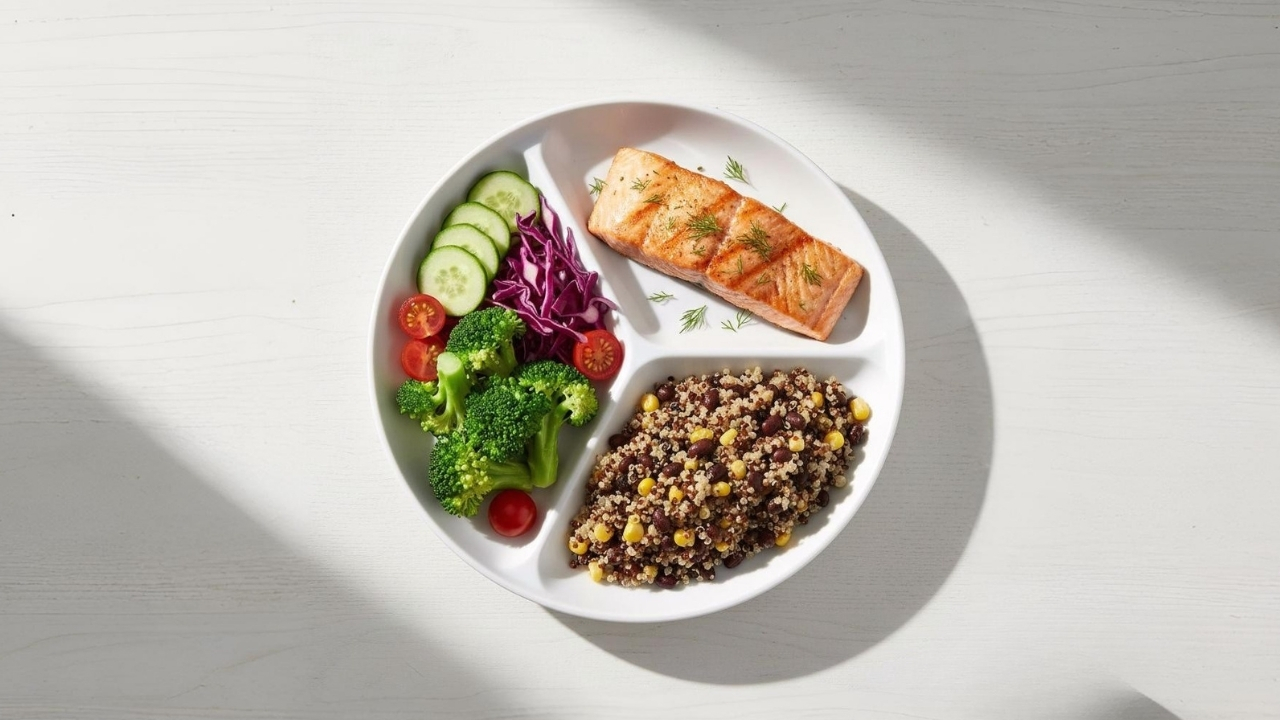
A simple visual method for building a balanced plate is the half-plate rule:
- Half the plate: Non-starchy vegetables and fruits
- One-quarter of the plate: Protein
- One-quarter of the plate: Whole grains or starchy vegetables
- Add healthy fats: As toppings, dressings, or cooking oils
This method is easy to remember and works for breakfast, lunch, and dinner. For example:
- Lunch: Half a plate of roasted vegetables, a quarter of grilled salmon, a quarter of quinoa, and a drizzle of olive oil.
- Dinner: Half the plate with steamed broccoli and carrots, a quarter with lentils, a quarter with roasted sweet potatoes, topped with sunflower seeds.
The half-plate approach helps with portion control while ensuring nutrient diversity.
Step 3: Prioritize Vegetables and Fruits
Vegetables and fruits are the cornerstone of a balanced plate:
- Aim for variety: Different colors indicate different nutrients.
- Mix raw and cooked: Raw salads provide fiber, while cooked vegetables enhance certain nutrients like lycopene in tomatoes.
- Season creatively: Use herbs, spices, lemon juice, or olive oil to make vegetables more appealing.
- Sneak in extra servings: Add vegetables to soups, stews, omelets, or pasta sauces.
By filling half your plate with plant-based foods, you increase fiber intake, improve digestion, and reduce calorie density without feeling deprived.
Step 4: Include High-Quality Protein
Protein helps build and repair muscles, stabilize blood sugar, and keep you full longer:
- Animal sources: Chicken, turkey, fish, lean beef, eggs, yogurt
- Plant sources: Lentils, beans, chickpeas, tofu, tempeh, edamame, nuts
- Combination meals: Mixing grains and legumes (e.g., rice and beans) provides complete protein.
Aim for a palm-sized portion for each meal—this visual guide helps you avoid over- or under-portioning protein.
Step 5: Choose Whole Grains and Complex Carbs
Carbohydrates are not the enemy—they’re your body’s main energy source. Focus on complex carbs for steady energy:
- Whole grains: Brown rice, oats, whole-grain bread, barley, quinoa
- Starchy vegetables: Sweet potatoes, squash, corn
- Legumes: Beans and lentils provide both protein and carbs
Limit refined carbs like white bread, pastries, and sugary cereals, which can cause rapid spikes in blood sugar and cravings.
Step 6: Add Healthy Fats Mindfully
Healthy fats are essential for brain health, hormone regulation, and nutrient absorption:
- Plant-based oils: Olive oil, avocado oil, sesame oil
- Nuts and seeds: Almonds, walnuts, chia, flax, sunflower seeds
- Fatty fish: Salmon, mackerel, sardines
- Avocado: Perfect in salads, on toast, or as a topping
Healthy fats also enhance satiety and add flavor to meals, making balanced eating more enjoyable.
Step 7: Don’t Forget Hydration
Water is a vital part of a balanced plate:
- Aim for 6–8 cups of water daily, adjusting for activity and climate.
- Include herbal teas, infused water, and water-rich foods like cucumber, watermelon, or oranges.
- Limit sugary drinks, which add empty calories and spike blood sugar.
Staying hydrated supports digestion, energy, and nutrient absorption from your meals.
Step 8: Plan Your Meals
Building a balanced plate is easier when you plan:
- Meal prep: Cook grains, roast vegetables, or portion proteins in advance.
- Batch cooking: Prepare soups, stews, or casseroles that incorporate all components.
- Weekly grocery list: Stock your pantry with grains, beans, fresh produce, and healthy fats.
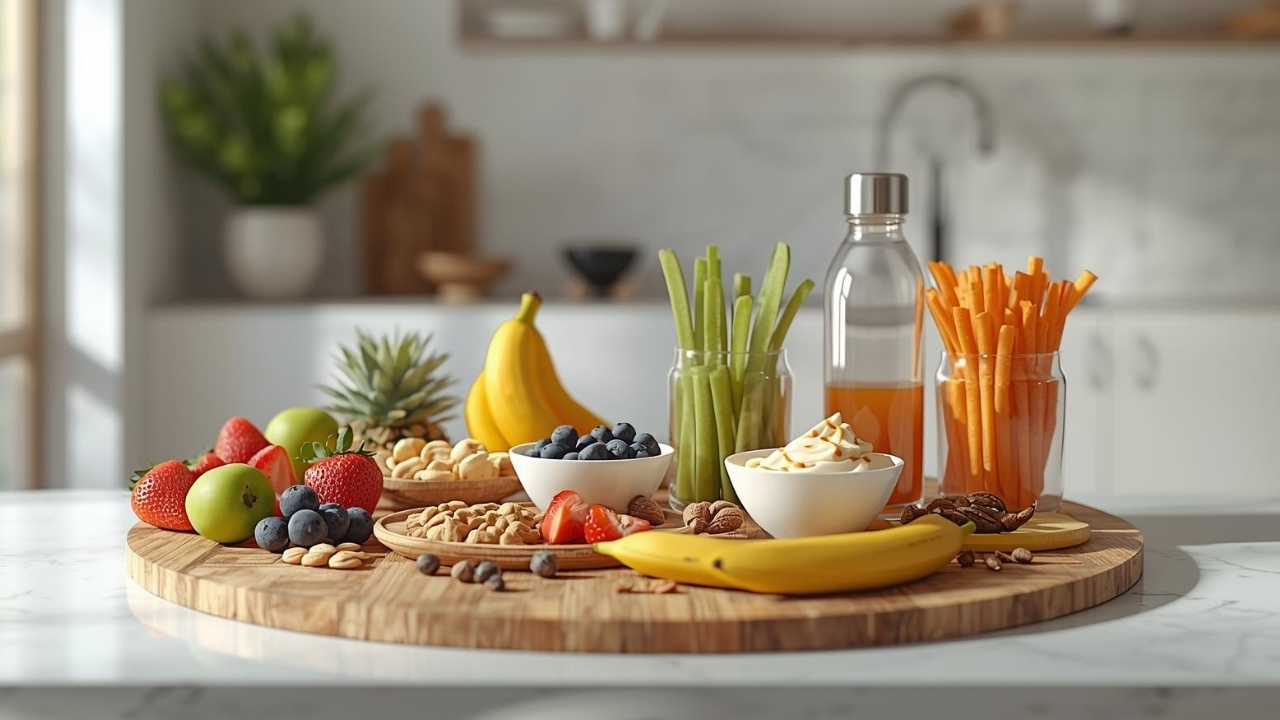
- Breakfast balance: Include protein, fiber, and healthy fat—like Greek yogurt with berries and nuts.
Planning reduces decision fatigue and ensures that you have balanced meals available even on busy days.
Step 9: Keep Meals Colorful
Colorful plates are not just visually appealing—they’re nutritionally diverse:
- Red foods: Tomatoes, red peppers, strawberries (antioxidants, vitamin C)
- Orange and yellow foods: Carrots, sweet potatoes, mango (beta-carotene)
- Green foods: Spinach, broccoli, peas (vitamins, minerals, fiber)
- Blue and purple foods: Blueberries, eggplant (anthocyanins, antioxidants)
A colorful plate usually means a variety of nutrients, making it easier to meet your daily vitamin and mineral needs.
Step 10: Practice Mindful Eating
Even the most balanced plate can lose its benefits if eaten mindlessly:
- Slow down: Chew thoroughly and savor each bite.
- Limit distractions: Avoid eating while scrolling or working.
- Listen to hunger cues: Stop when satisfied, not stuffed.
- Appreciate your food: Acknowledge the effort it took to grow, prepare, and cook.
Mindful eating enhances digestion, satisfaction, and your relationship with food.
Step 11: Flexibility is Key
Balance doesn’t mean perfection:
- Some meals may lean heavier on one component—don’t stress.
- Treats and indulgences can be part of a balanced lifestyle.
- Focus on overall patterns rather than individual meals.
Flexibility ensures that building a balanced plate is sustainable and enjoyable.
Step 12: Build Habits Gradually
Incorporating balanced plates into your routine doesn’t happen overnight:
- Start by focusing on one meal per day.
- Gradually incorporate more balanced meals into your week.
- Experiment with different grains, proteins, and vegetables to find what you enjoy.
- Celebrate small wins and progress rather than perfection.
Consistency over time is more impactful than occasional strict adherence.
Final Thoughts
Building a balanced plate every day is about nourishment, variety, and enjoyment. By combining vegetables, fruits, protein, whole grains, and healthy fats, you provide your body with the energy, nutrients, and satisfaction it needs. The ChillBloom approach emphasizes flexibility, mindfulness, and simplicity—making balanced eating approachable and sustainable.
Remember these core principles:
- Fill half your plate with vegetables and fruits.
- Include a palm-sized portion of protein.
- Choose whole grains or complex carbs for steady energy.
- Add healthy fats to support satiety and flavor.
- Stay hydrated to aid digestion and overall well-being.
- Plan and prep meals to reduce stress.
- Embrace colorful plates for nutrient diversity.
- Practice mindful eating for satisfaction and connection.
- Allow flexibility and enjoy occasional treats.
- Build habits gradually for long-term success.
By adopting these strategies, you’ll create meals that nourish your body, support your goals, and make eating a joyful, intentional part of life. A balanced plate is not just a guideline—it’s a lifestyle, a simple yet powerful way to invest in your health, energy, and happiness every single day.